
Last updated November 15, 2026
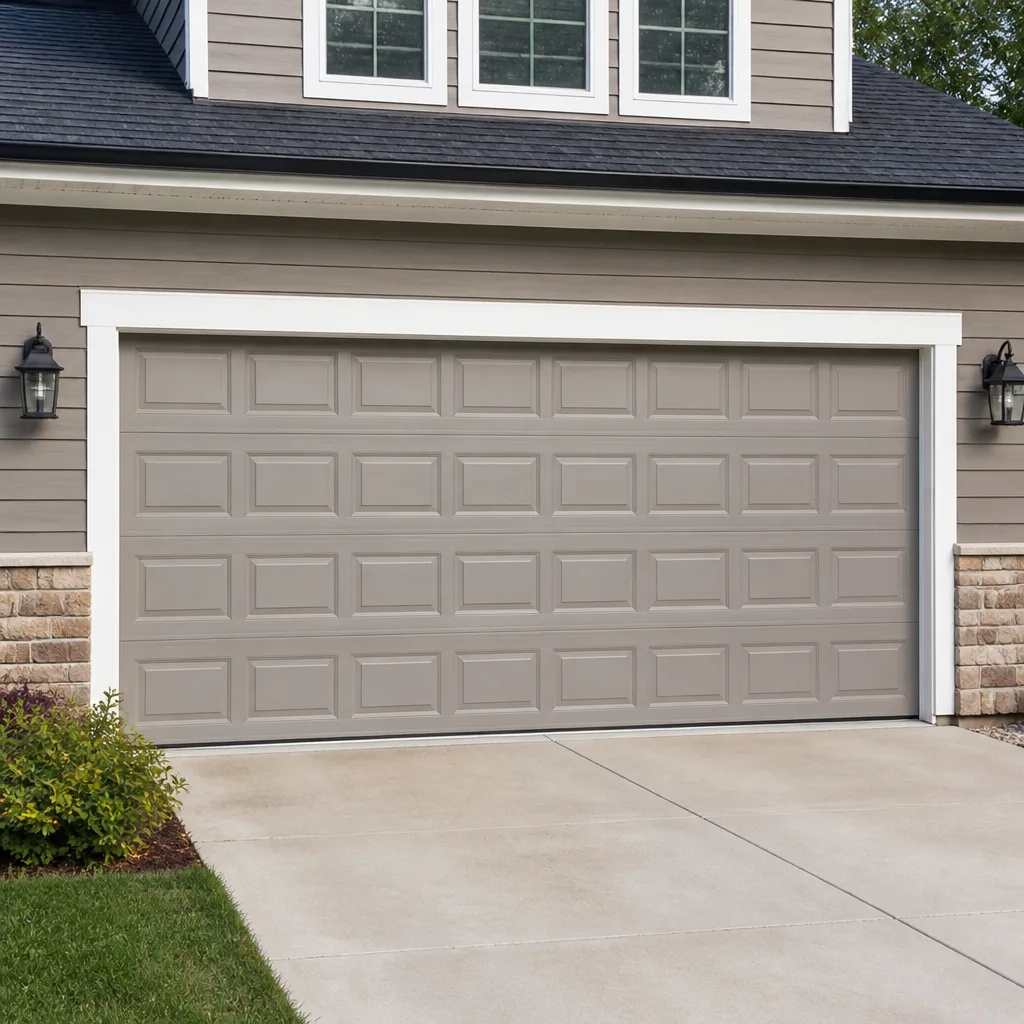 Raised-panel steel
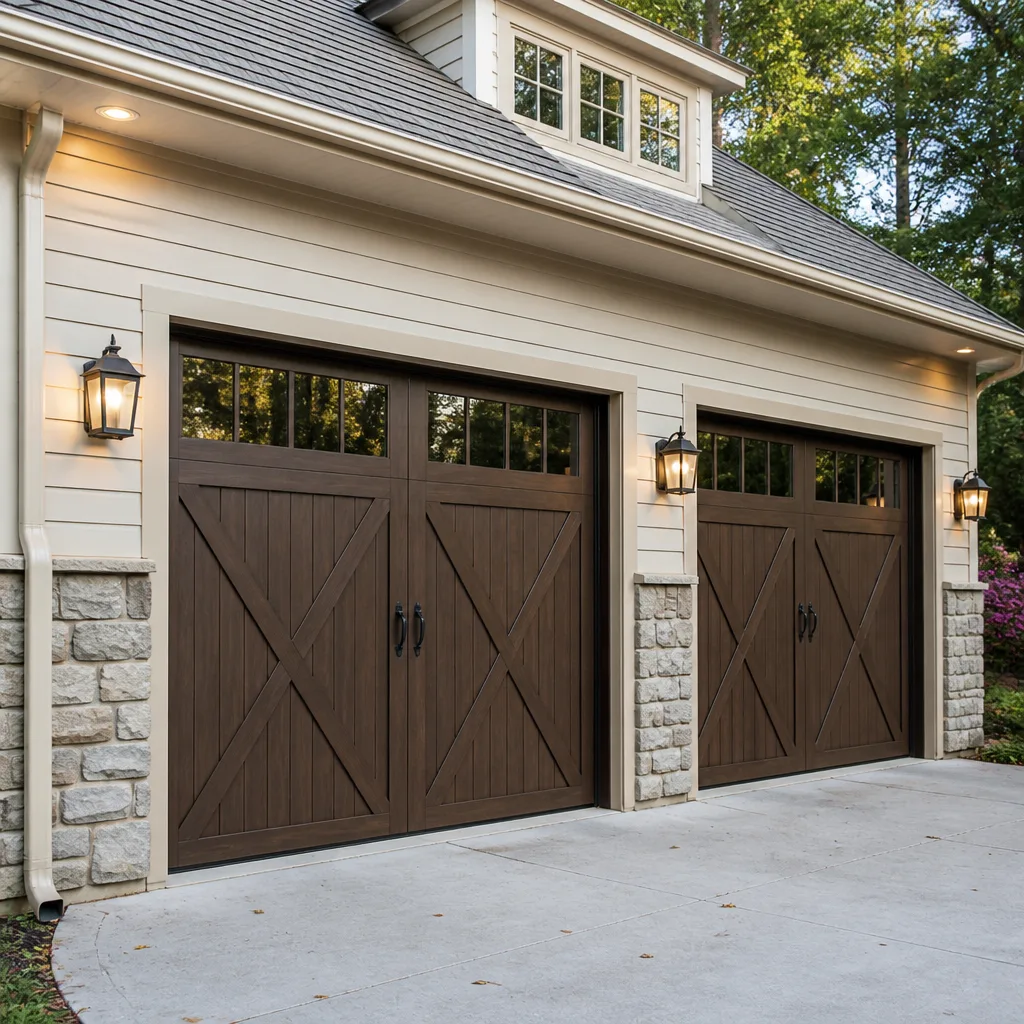 Carriage house
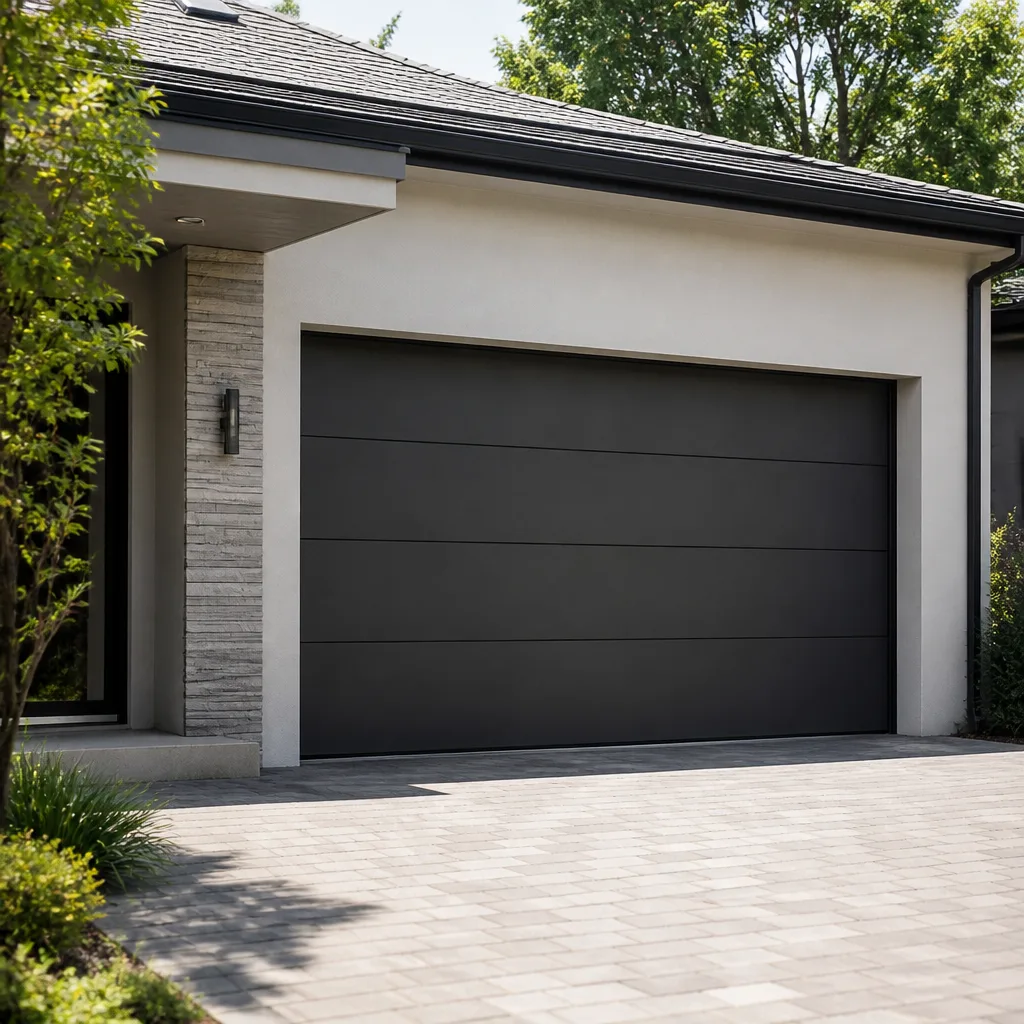 Modern flush
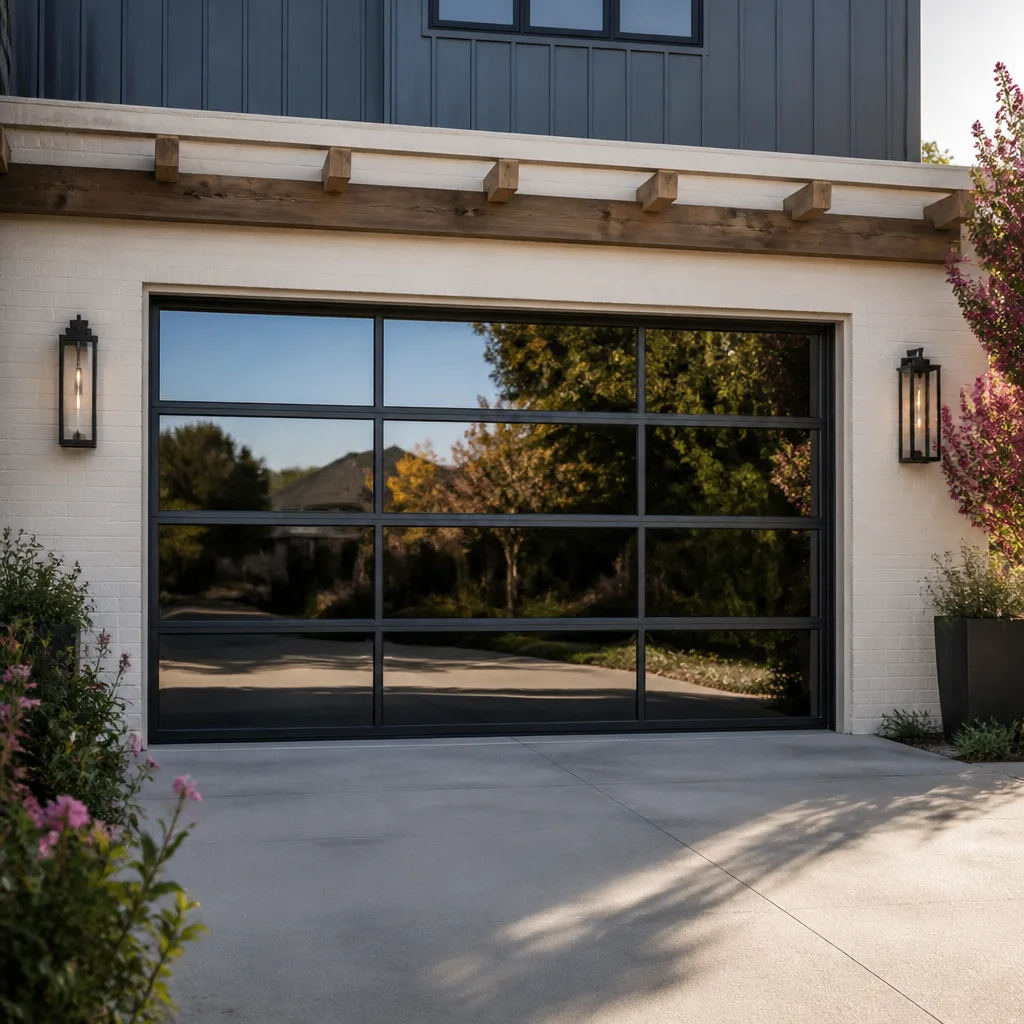 Full-view glass
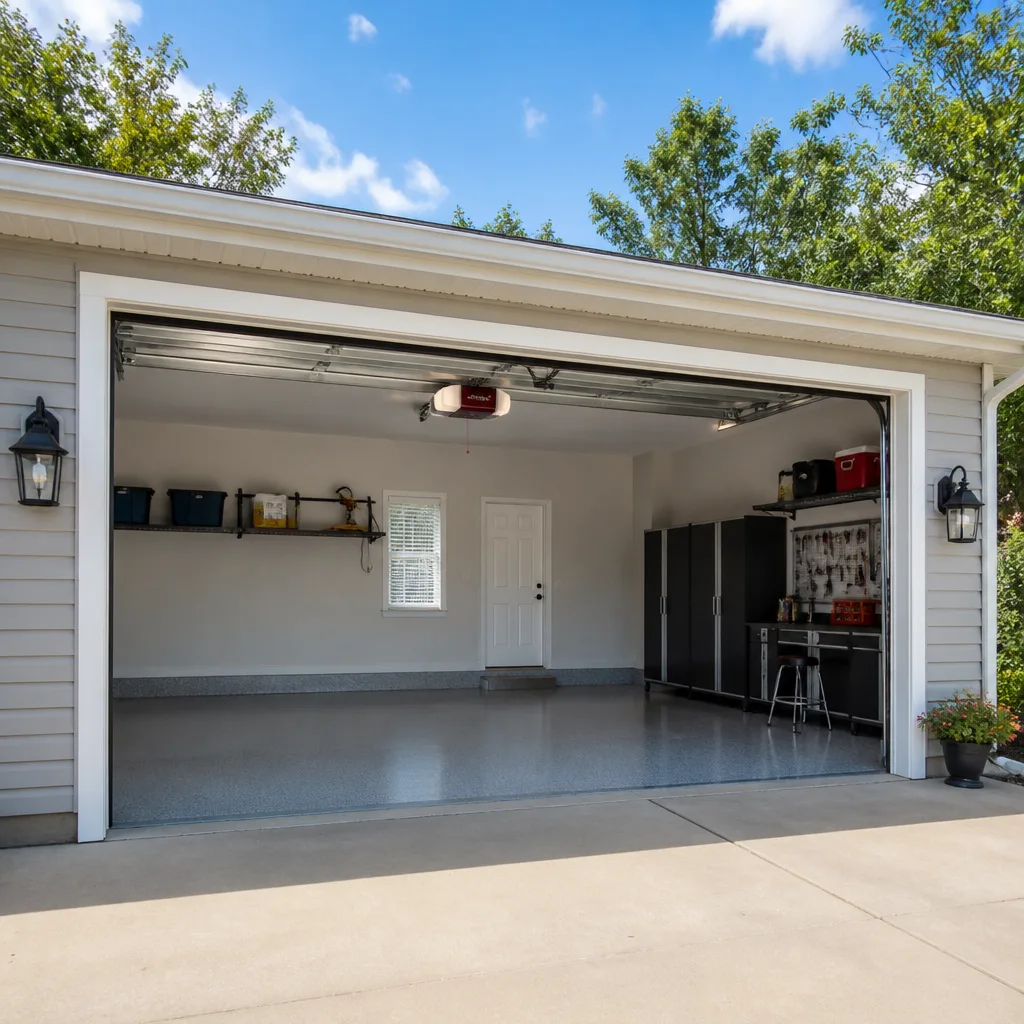 LiftMaster openers
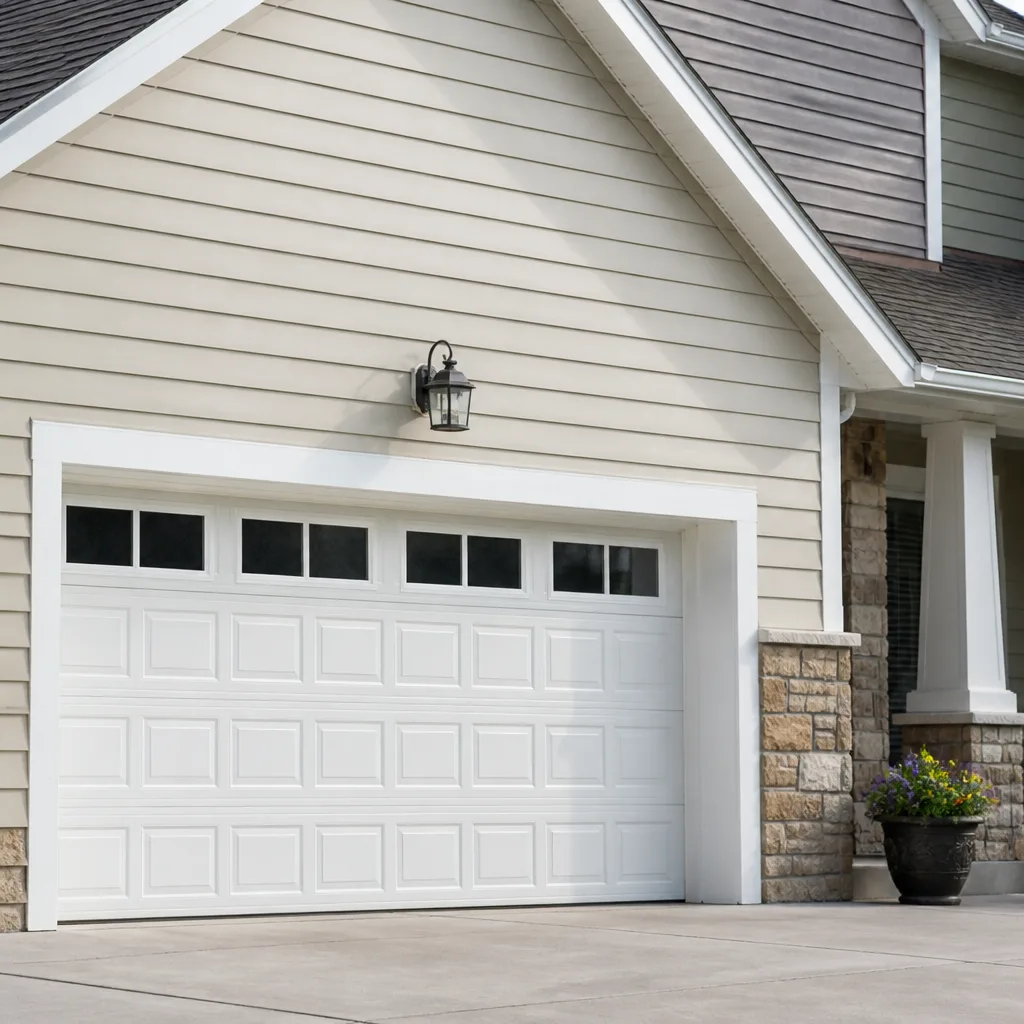 Chamberlain openers
Full 25-point door and opener safety check with every visit - springs, cables, rollers, tracks, and your LiftMaster or Chamberlain opener included
You get a price before we start. It does not change when the pro arrives.
Get your free estimateGarage Door Emergency Preparedness Guide for Lubbock Homes
Most Lubbock homeowners treat a stuck garage door as an annoyance to deal with on a normal afternoon. The truth is more uncomfortable: the moment a door fails is usually the moment the weather is at its worst. During a Lubbock ice storm, a door frozen to the ground isn’t just inconvenient. Force it open manually without knowing how, and you can destroy the bottom section, the bottom seal, and the torsion spring in a single pull. Tornado warnings, high-wind advisories, and power outages all tend to hit the same door you rely on to get the car out. This guide walks you through what to do before, during, and after a garage door emergency in Lubbock, including the manual release, ice and wind damage checks, and how to call for help.
Quick Answer
A garage door emergency in Lubbock is best handled by staying calm, keeping the door closed and locked if it’s damaged, and calling a trained technician rather than forcing it. If the power is out, the red manual release cord lets you operate the door by hand, but you need to know the risks before you pull it. If a door is frozen to the ground or has visible panel or track damage after a storm, leave it alone and get a professional out to assess it.
Styles & brands we work with
- Raised-panel steel
- Carriage house
- Modern flush
- Full-view glass
- LiftMaster openers
- Chamberlain openers
Table of Contents
- Why Garage Door Emergencies Hit Lubbock Harder
- How to Operate Your Garage Door Safely During a Power Outage
- What to Do When Your Door Is Frozen to the Ground
- Post-Hail and Post-Wind Inspection: Before You Press the Button
- Pre-Storm Preparation for Lubbock’s Wind and Tornado Season
- What to Tell a Technician When You Call
- When Springs and Cables Fail: Why You Don’t Touch Them
- Building a Year-Round Emergency Routine
Why Garage Door Emergencies Hit Lubbock Harder
Lubbock sits on a stretch of West Texas where the weather changes fast and doesn’t apologize for it. Spring brings tornado watches and high-wind advisories that can gust hard enough to bow a lightweight door. Winter brings ice storms that seal the bottom of a door to the concrete overnight. Summer heat warps older wooden panels and cooks the electronics inside a sun-baked opener housing. Add in the power outages that come with severe weather, and you’ve got a door system tested year-round.
That combination is why we treat garage door emergency planning in Lubbock as practical, not hypothetical. The question isn’t whether you’ll have a door problem – it’s which one and when. The homes in neighborhoods like Tech Terrace and the older blocks around downtown have doors that have been through a lot of summers and a lot of wind. Newer construction on the south side has its own issues: tightly sealed doors, smart openers, and sensors that need to be aimed correctly.
Here’s what a door emergency usually looks like in our experience:
- A door that won’t close because a sensor got knocked out of alignment by wind or debris
- A spring that snapped while the door was opening, leaving it stuck up
- A door frozen to the slab after an ice event
- A power outage that leaves the opener dead with the car trapped inside
- A panel or track that shifted after hail or a strong gust
None of these are unusual in Lubbock. All of them have a right and a wrong way to respond. This guide covers the right way.
How to Operate Your Garage Door Safely During a Power Outage
The manual release is the tool most homeowners misunderstand. It works, and it’s designed to work, but it comes with a catch: once you pull that cord, the door is disconnected from the opener, and the opener can’t help you anymore until you reconnect it. If the door has a broken spring or a weak spring, the weight of the door is suddenly on you. That’s why the release should be used with the door fully closed, and never when the door is halfway up.
Here’s the safe sequence for manual operation during a Lubbock power outage:
- Locate the red release cord. It hangs from the opener trolley, usually near the door’s center. On newer garage door opener repair systems it may be labeled.
- Make sure the door is fully closed. Never pull the cord with the door open. The door can slam down, and the springs can lose tension unpredictably.
- Pull the cord straight down and toward the door. You’ll feel the trolley release. The door is now on manual.
- Lift the door slowly by hand. A properly balanced door should lift with one hand. If it feels heavy, stop. That means a spring is weak or broken and you shouldn’t force it.
- Prop it open only if you’re certain it will stay. Manual doors don’t lock in the up position the way an opener holds them.
- Reconnect carefully once power returns. With the door closed, pull the release cord again to re-engage the trolley, then test the opener with the door in view.
One more thing: if your opener is a LiftMaster or Chamberlain with a battery backup, check whether it has one before you reach for the cord. Many newer units will run the door a few cycles even during an outage, which saves you the manual process entirely. We work across all the major opener brands, and we’re happy to tell you what your specific model is capable of. If you’re not sure, our team can walk you through it when you call.
What to Do When Your Door Is Frozen to the Ground
A frozen door is the most common winter emergency in Lubbock, and the one most likely to turn into an expensive repair. The bottom seal bonds to the concrete slab, and when the opener tries to lift the door, it pulls the bottom section away from the rest of the door. The result is a bent bottom panel, a torn seal, and sometimes a snapped torsion spring – all from one press of the button.
Here’s how to handle it without causing damage:
- Don’t run the opener. If the door doesn’t lift on the first try, stop. Repeated cycles make it worse.
- Break the ice gently. Warm water along the bottom seal – not hot, and never boiling – will loosen the bond. A plastic scraper can help, but never a metal shovel or pry bar.
- Check the seal. If the rubber or vinyl seal is cracked or torn after the thaw, it needs replacing before the next freeze. A torn seal lets cold air and water in, which makes the next freeze worse.
- Check the bottom panel. If it’s bent, the door won’t seal correctly even after thawing, and that’s a repair job.
- Lubricate the seal and the bottom edge after it thaws. A silicone-based lubricant on the weather seal helps it release next time.
If the door is already bent or the spring was affected, don’t try to run it again. Call us and describe what happened. We can give you a free estimate, and we’ll tell you honestly whether it’s a seal replacement or a full bottom-section repair. If the spring was the casualty, that’s a job for a trained technician – springs are under extreme tension, and they can cause serious injury if handled incorrectly.
Post-Hail and Post-Wind Inspection: Before You Press the Button
After a Lubbock hail storm or a high-wind event, the smartest thing you can do is walk the door before you touch the button. Hail dents panels and can knock the track out of alignment. Wind can bow a lightweight door or push a roller out of its track. If you hit the opener on a door that’s out of alignment, you can turn a small repair into a full replacement.
Here’s the inspection sequence we recommend:
- Look at the panels from outside. Hail dings are cosmetic, but deep dents or creases in a steel panel can affect how the door seals and how the rollers track.
- Check the tracks on both sides. The vertical and horizontal tracks should be straight and parallel. A visible bend, or a gap between the track and the door, is a stop sign.
- Look at the rollers. They should sit fully inside the track. Any roller popped out or sitting at an angle means the door will bind if you run it.
- Check the hinges and the bottom bracket. Loose hinges cause the door to sag. Never touch the bottom bracket – it holds cable tension.
- Look for daylight between the door and the frame. A door that doesn’t sit flush after a storm needs adjustment or repair.
- Test the opener only if everything looks straight. Stand inside, watch the door, and stop it if it binds. If it does, call for professional garage door repair.
If you’re not sure what you’re looking at, that’s fine. We’d rather you call and ask than run a door that’s out of alignment. We work with doors from Raynor, Clopay, Amarr, and Wayne Dalton, so whatever panel style you have, we can tell you whether the damage is repairable or whether a section needs to be replaced.
Pre-Storm Preparation for Lubbock’s Wind and Tornado Season
When a tornado watch or a high-wind advisory is issued for Lubbock, you’ve got a small window to prepare the door – and a clear line between what you should do and what you shouldn’t. The right preparation is simple and takes ten minutes. The temptation to “reinforce” a door with boards and clamps is where homeowners get into trouble.
What we recommend before the wind picks up:
- Clear the tracks and the area around the door. Anything loose – a trash can, a garden tool, a loose hose reel – can become a projectile that dents a panel or breaks a window.
- Check that all rollers are seated in their tracks. A roller that’s already popped out will make the door fail the first time it’s asked to work under wind pressure.
- Test the safety sensors. Wind-blown debris can knock them out of alignment. They should be square to each other and the indicator lights should be steady.
- Verify the manual release works smoothly. Pull it once while the door is closed and re-engage it – this confirms you can operate the door by hand if the power goes out.
- Park the car outside if the door is older or has known issues. It’s much easier to deal with a stuck door when the car isn’t trapped behind it.
- Have a phone number ready. The worst time to find a technician is during a storm, when everyone else is looking for one too.
What we don’t recommend: bolting the door down, drilling into the panels, or adding homemade braces. A garage door is an engineered system, and the braces you add can create new failure points. The manufacturer’s hardware is designed to flex under wind. Adding rigid reinforcement can actually make a panel buckle instead of giving. If you want your door to perform better in Lubbock wind, call us and ask about the door’s wind rating and whether the track and hardware are set up correctly. Sometimes the right answer is a professional adjustment, not a DIY retrofit.
What to Tell a Technician When You Call
In our experience, the difference between a fast repair and a frustrating one is often how the call goes. The technician arrives prepared when they know what they’re walking into. If you call and describe the door’s behavior, the brand, and the symptoms, we can load the right parts and the right tools and usually get it fixed in one trip.
Here’s what helps us most when you call:
- The symptoms. Is the door stuck open or stuck closed? Is the opener running but not lifting the door? Is the door binding or making a grinding noise?
- The brand. Tell us the brand of the door and the opener if you know it – Raynor, Clopay, LiftMaster, Chamberlain, Genie, Wayne Dalton, Amarr, Craftsman. We service all of them, and knowing the brand points us at the right components.
- What happened right before it stopped. Was it a power outage, an ice storm, a wind gust, a loud noise, or nothing at all?
- The door’s age and material. Steel, wood, aluminum, full-view glass – each has its own failure patterns.
- Whether you pulled the manual release. This matters. If the door is disconnected from the opener, that changes how we approach the job.
- Whether the door is safe to leave. If it’s stuck open and you can’t secure it, tell us – that’s a priority call.
You can reach us at (866) 361-7024. We answer 24/7. Fast dispatch from 7am to 7pm, Sunday through Friday. A call outside dispatch hours is booked into the next opening. Estimates are free, and the price is quoted and agreed before any work starts.
When Springs and Cables Fail: Why You Don’t Touch Them
If a garage door makes a loud bang and then becomes dead weight, it’s usually the spring. Torsion and extension springs hold the full weight of the door, and when they fail, they release that energy in an instant. This is the one part of a garage door system that no homeowner should touch. We say that plainly because we’ve seen what happens when someone tries.
What to know if a spring fails:
- Do not run the opener. The opener will strain to lift the full weight of the door, and it can burn out the motor or strip its gear.
- Do not try to lift the door by hand. A door with a broken spring can weigh several hundred pounds, and it can drop without warning.
- Do not touch the cables. Cables are under extreme tension, and the brackets that hold them are loaded. This is true of any spring system, whether the door is a LiftMaster-equipped steel door or a wooden Raynor.
- Keep the area clear. Block the door with a car or a chair so nobody tries to operate it, and keep kids away.
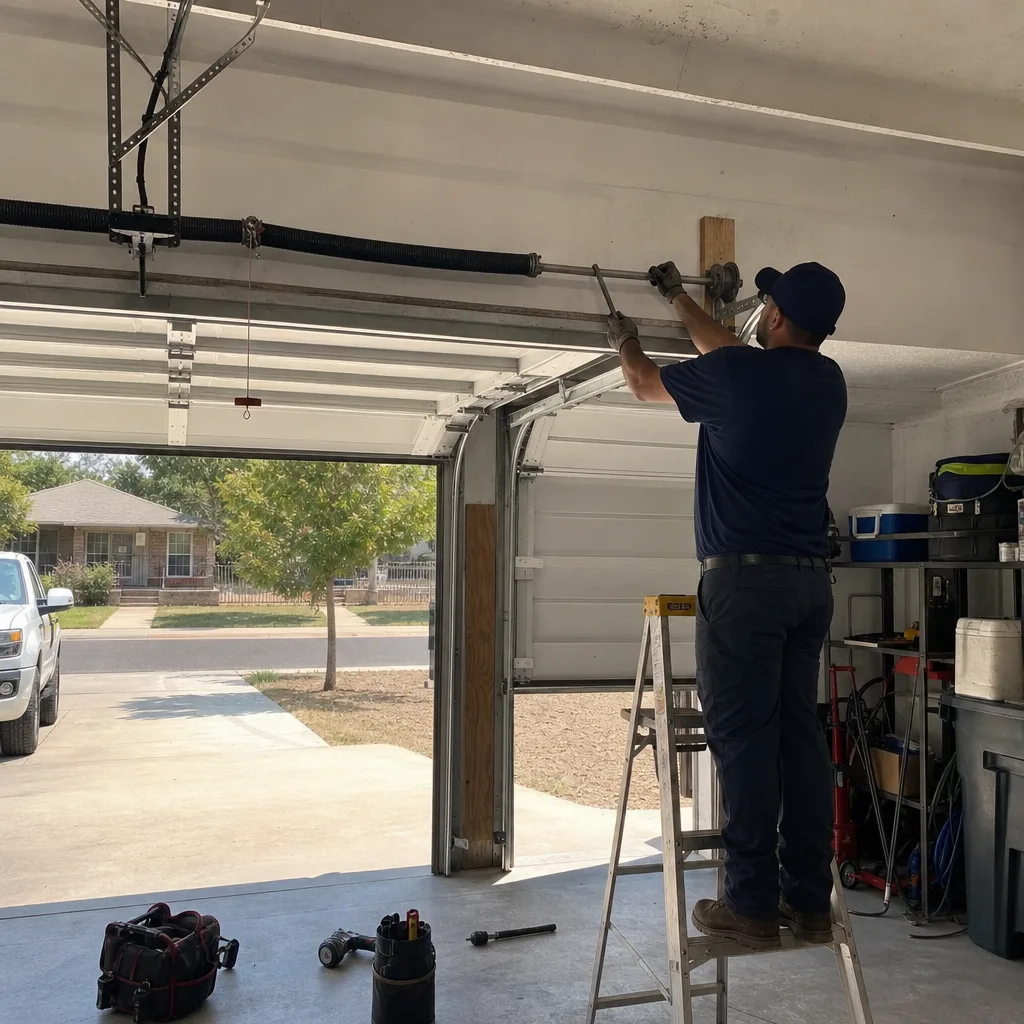
- Call for repair. Spring replacement is a trained-technician job with specific tools – winding bars, safety glasses, and the right replacement spring. Our technicians have up to 13 years of experience, and they’ll inspect the cables, drums, and bottom brackets while they’re in there.
A spring repair is also a good time to look at the opener. A failed spring often stresses the opener before the door stops working entirely. If your garage door opener repair needs a diagnostic, we can check the logic board, the safety sensors, and the drive system while we’re on-site. One visit, one diagnosis, no handoff between contractors.
Building a Year-Round Emergency Routine
The homes that avoid garage door emergencies in Lubbock aren’t lucky – they’re consistent. A 15-minute check twice a year catches most of the problems that turn into emergency calls. The best times are early spring, before tornado and wind season, and late fall, before the first ice.
Here’s a simple routine:
- Test the manual release while the door is closed, then re-engage it.
- Check the balance. Disconnect the opener and lift the door halfway. It should hold. If it drifts down, a spring is weak.
- Inspect the tracks and rollers for bends, gaps, or popped rollers.
- Test the safety sensors by placing an object in the door’s path. The door should reverse.
- Listen for new noises. A grinding or popping sound usually means the rollers or hinges need attention.
- Lubricate hinges, rollers, and the weather seal with a silicone-based spray (not grease – grease attracts dust in West Texas).
- Replace the opener’s battery backup in a LiftMaster or Chamberlain unit if it hasn’t been done recently. This is the single most useful backup for Lubbock’s storm-season outages.
- Check the door’s weather seal once a year for cracks, tears, or hardening.
When you find something, note it and call. A small issue today is much cheaper to fix than a full failure during a storm. We offer free estimates on any repair, and we’re happy to look at a door before it becomes an emergency. For more on the full range of services, see our Dunmore Garage Door Repair page.
Common Mistakes to Avoid
- Running the opener on a door that’s out of alignment. If a track is bent or a roller has popped, the opener will turn a small track repair into a panel replacement. Lubbock’s wind is hard on tracks – check before you press the button.
- Pulling the manual release with the door open. This is the single most common way a homeowner turns a power outage into a spring failure. Always release with the door fully closed.
- Forcing a frozen door with the opener. In a Lubbock ice event, the bottom seal bonds to the slab. The opener can’t break it, and repeatedly trying will bend the bottom panel.
- Adding homemade braces before storm season. A garage door is engineered to flex. Rigid braces create new stress points and can cause a panel to buckle instead of absorbing the wind.
- Touching springs or cables. These are under extreme tension and are the most dangerous part of the system. We can’t be any clearer on this one: leave them to a trained technician.
- Calling a handyman for opener repair. Logic boards, safety sensors, and drive systems are brand-specific. A generic handyman who doesn’t work on LiftMaster or Genie systems regularly will often replace parts that aren’t the problem.
- Waiting until the door stops working. A weak spring, a torn seal, and a misaligned sensor are all visible before a failure. Scheduling a check is cheaper and less stressful than scheduling an emergency call.
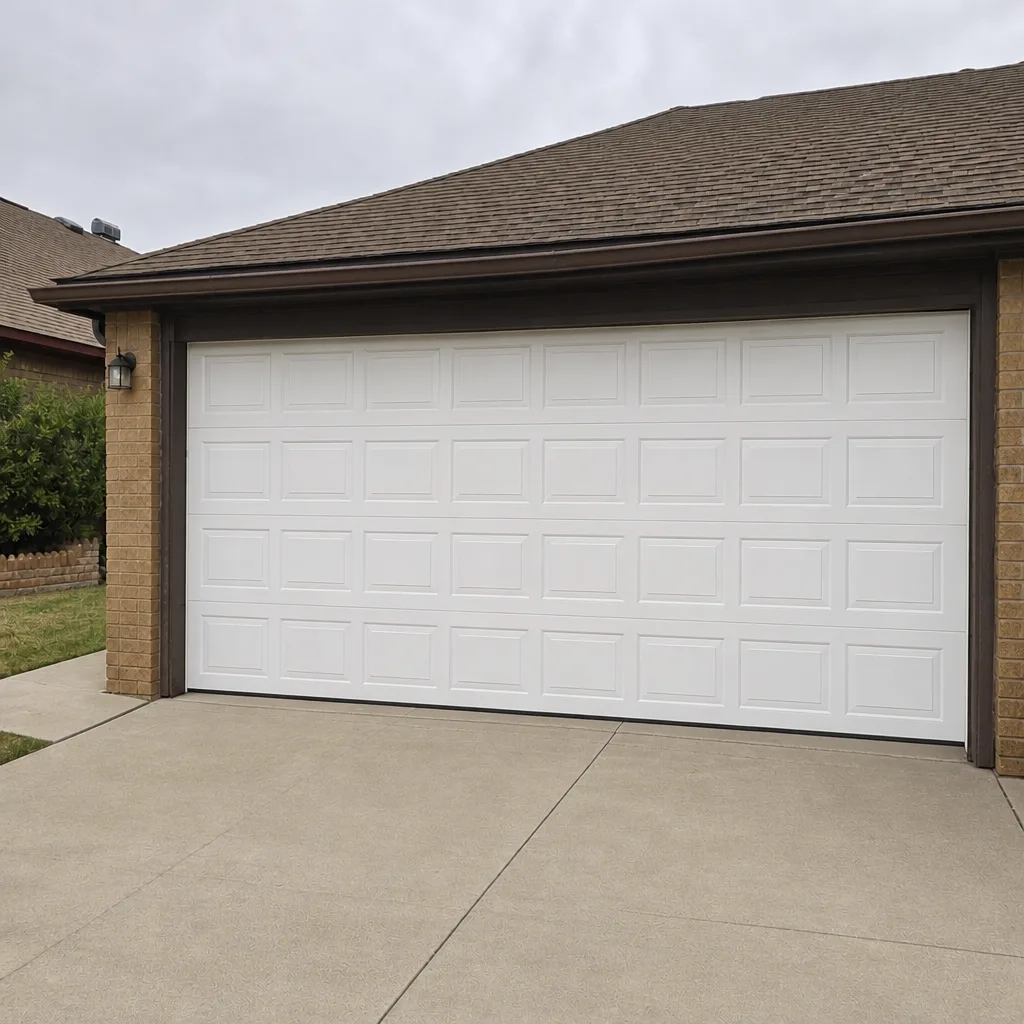
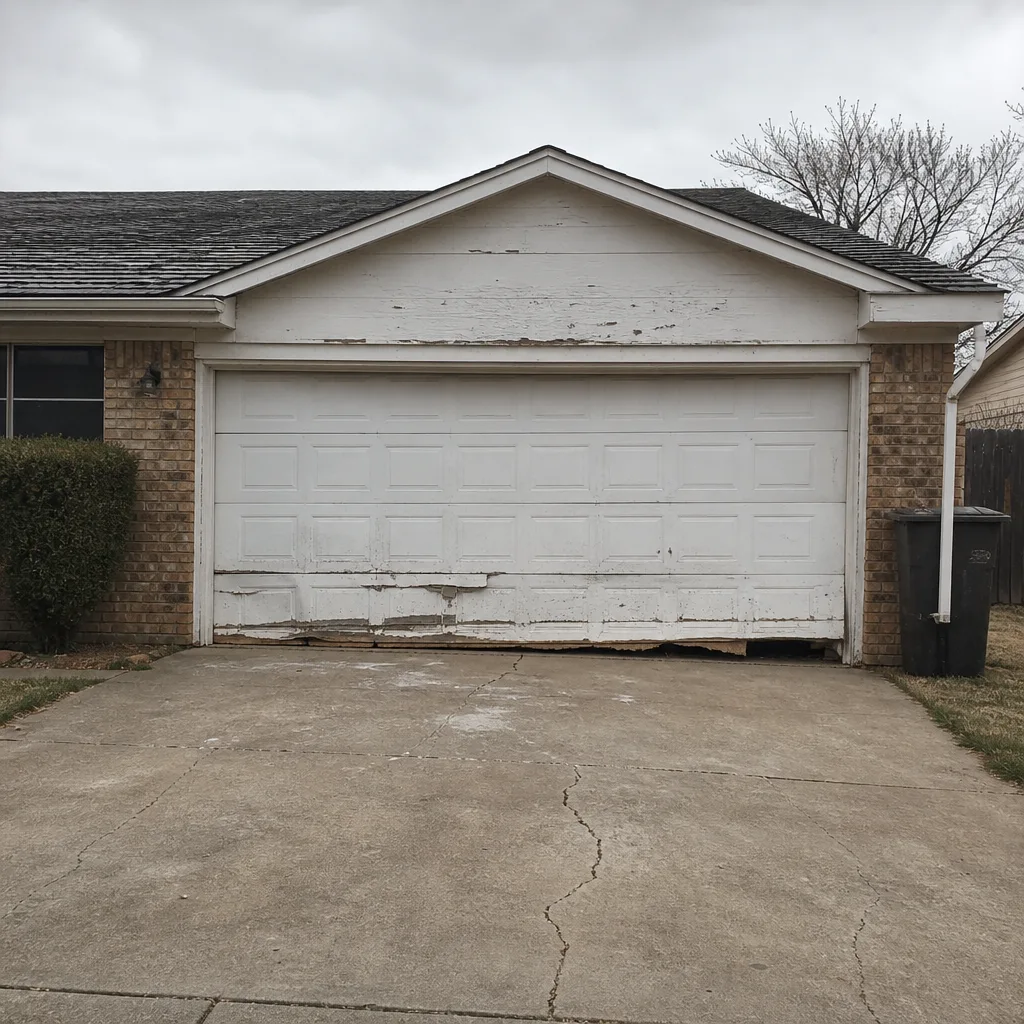
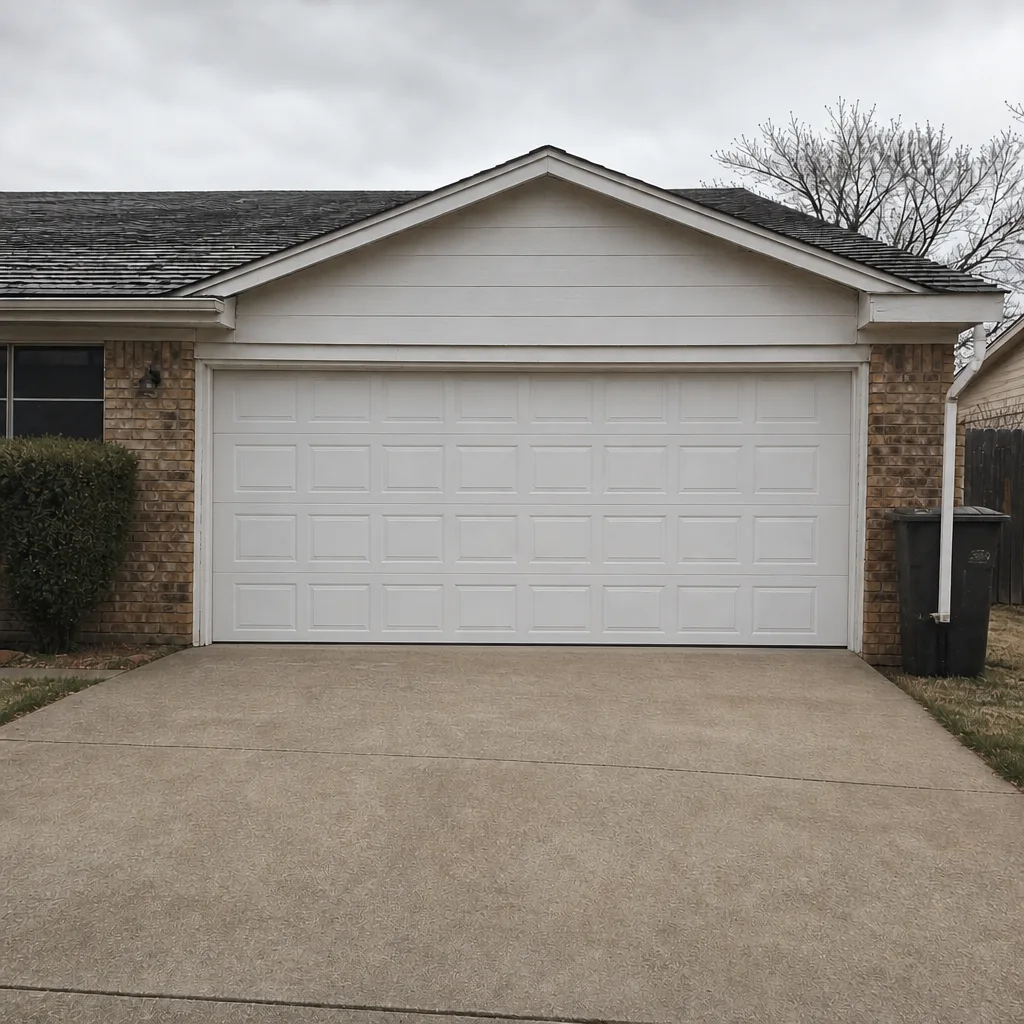
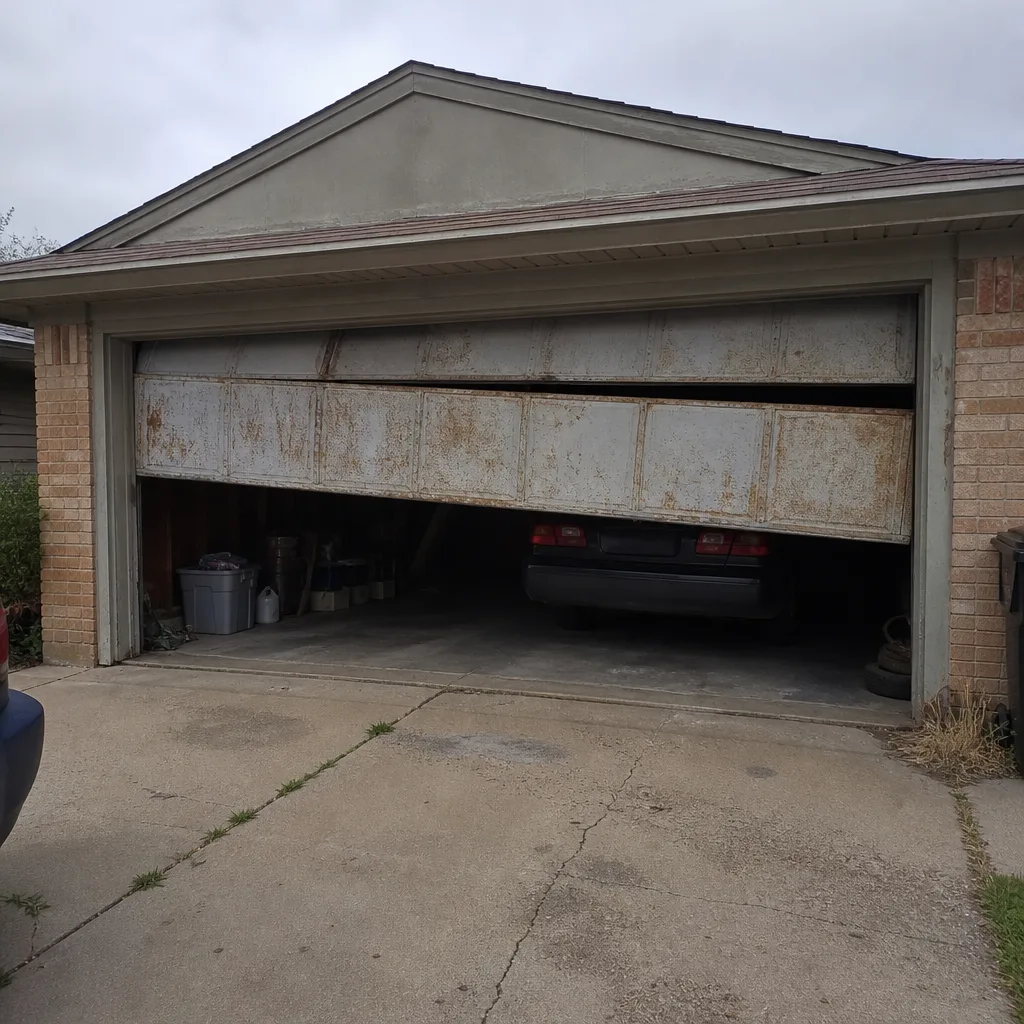
See the difference
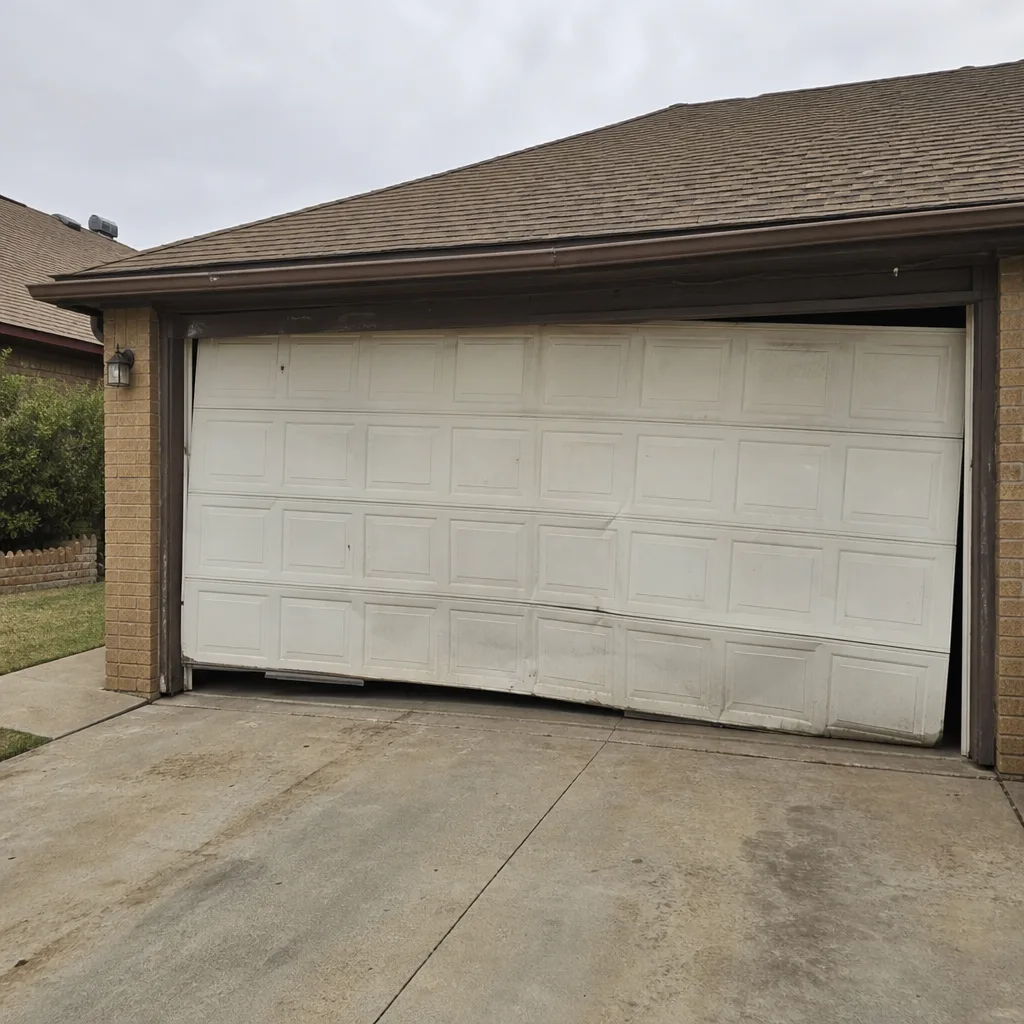 Before
 After
 Before
 After
 Before
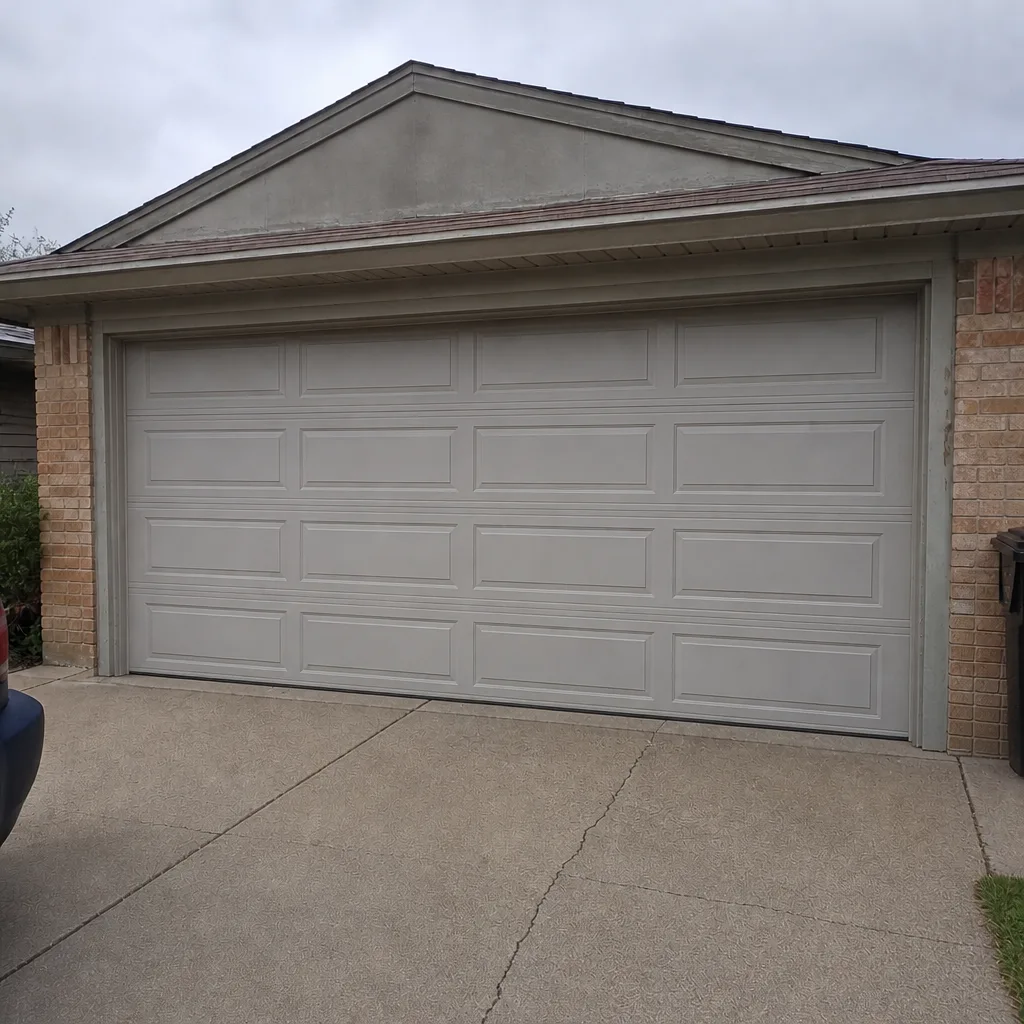 After
When to Call a Professional
Call us if a door is stuck open and can’t be secured, if the springs have failed, if a track is bent or a panel is out of alignment after wind or hail, or if the opener runs but the door won’t move. Call us also if you pulled the manual release and aren’t sure the door is safe to reconnect. Dunmore Garage Door Repair offers free estimates in Lubbock – call (866) 361-7024. We work on all eight major brands: LiftMaster, Chamberlain, Genie, Clopay, Amarr, Wayne Dalton, Craftsman, and Raynor. Our technicians have up to 13 years of experience, and we’ll diagnose before we quote. Learning about our Lubbock service area is a good place to start if you’re new here.
Frequently Asked Questions
If your garage door won’t open, first check whether the opener has power and whether the safety sensors are aligned. If the opener runs but the door doesn’t move, or the door feels stuck, don’t force it – call a technician. During storm season in Lubbock, power outages and sensor misalignment are the two most common causes. Call (866) 361-7024 and describe the symptoms. Estimates are free.
Pull the red manual release cord only when the door is fully closed, then lift the door slowly by hand. A properly balanced door lifts easily with one hand. If it feels heavy, stop and call a professional – a weak or broken spring means the door isn’t safe to lift manually. We answer 24/7 to help talk you through it.
No. Running the opener on a frozen door in a Lubbock ice event can bend the bottom panel, tear the seal, and snap the torsion spring. Use warm (not hot) water along the bottom seal to break the ice, then check the seal and panel for damage before you run the door. If either is bent or torn, call us for an estimate.
After hail or high wind in Lubbock, walk the door and check four things: panel dents or creases, bent tracks, rollers that have popped out, and daylight between the door and the frame. If any of these are present, don’t run the opener. Call us and we’ll inspect before you risk further damage. Estimates are free.
No. Garage door springs are under extreme tension and can cause serious injury if handled without the right tools and training. Spring replacement is a trained-technician job – please don’t attempt it. Our technicians have up to 13 years of experience and will check the cables, drums, and bottom brackets while they’re on-site.
No. Adding homemade braces, bolts, or clamps to a garage door can create new failure points because the door is designed to flex under wind. The better approach is to have a technician inspect the track, hardware, and door balance before storm season. Call (866) 361-7024 to schedule a check.
The Bottom Line
Garage door emergencies in Lubbock are not rare events – they’re a predictable part of living with tornado risk, ice storms, and high-wind advisories. The homeowners who come through them with the least damage are the ones who know how the manual release works, keep the door from being forced when it’s frozen or out of alignment, and call a technician before a small problem turns into a spring failure. Preparation is the whole guide in one line: know the sequence, don’t force anything, and have a number ready before the storm hits. We’re here to help with all of it – repair, opener diagnostics, and installation – on whatever brand you already own. Call (866) 361-7024 for a free estimate. We answer 24/7. Fast dispatch from 7am to 7pm, Sunday through Friday.
Written by the team at Dunmore Garage Door Repair.