
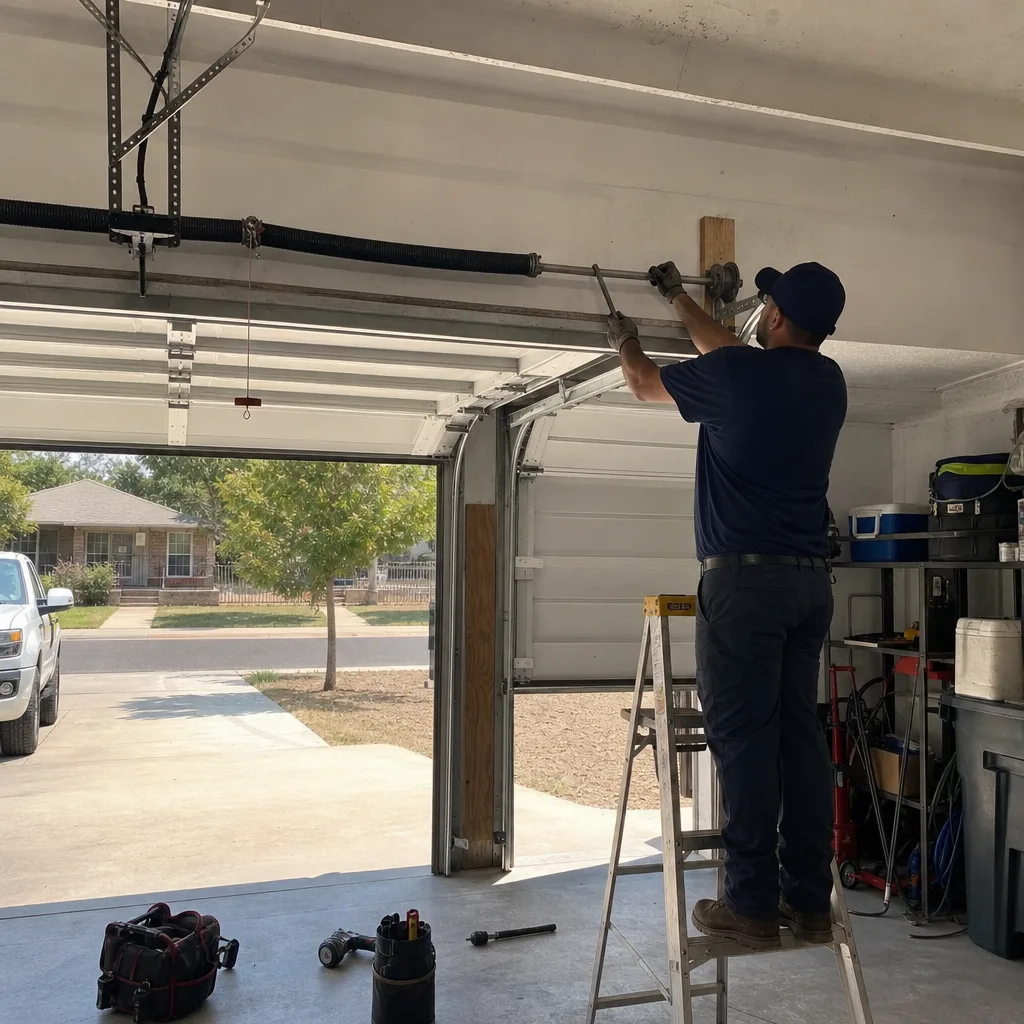
Last updated November 15, 2026
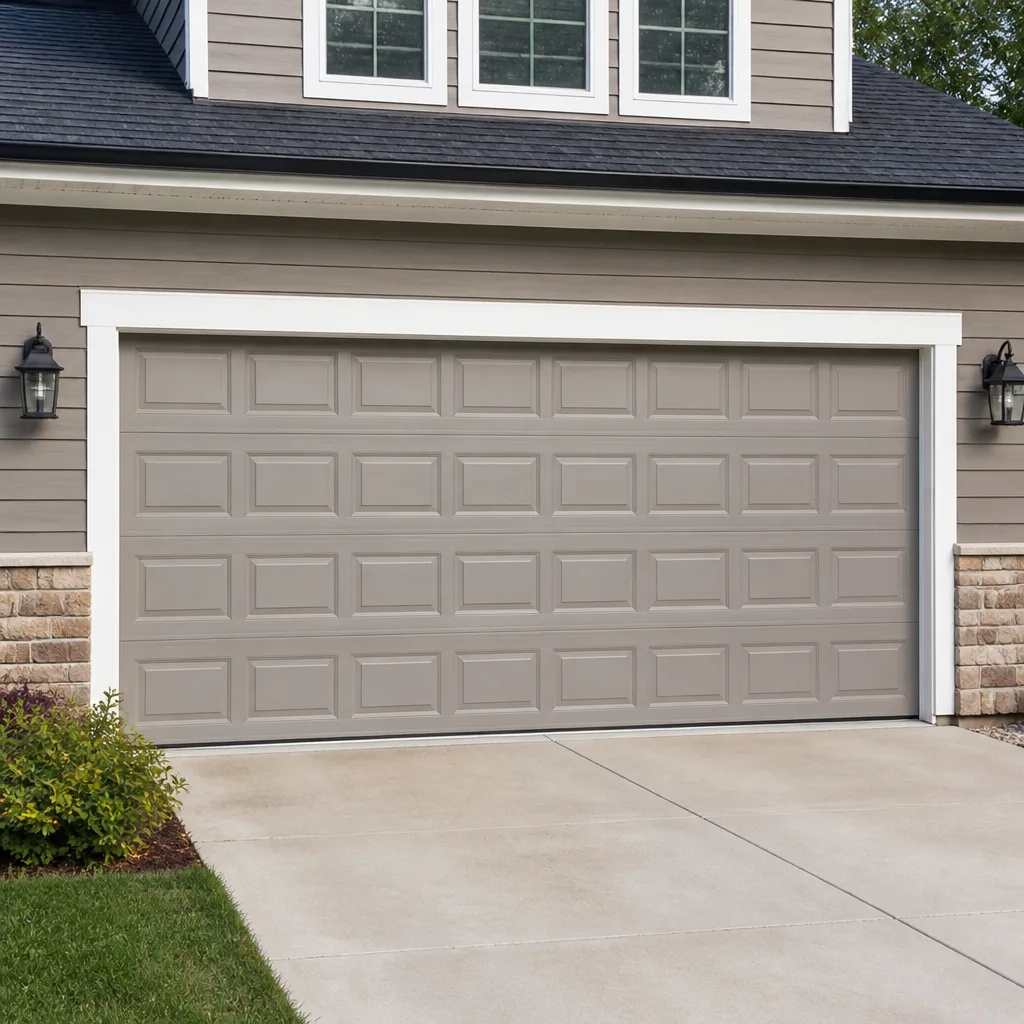 Raised-panel steel
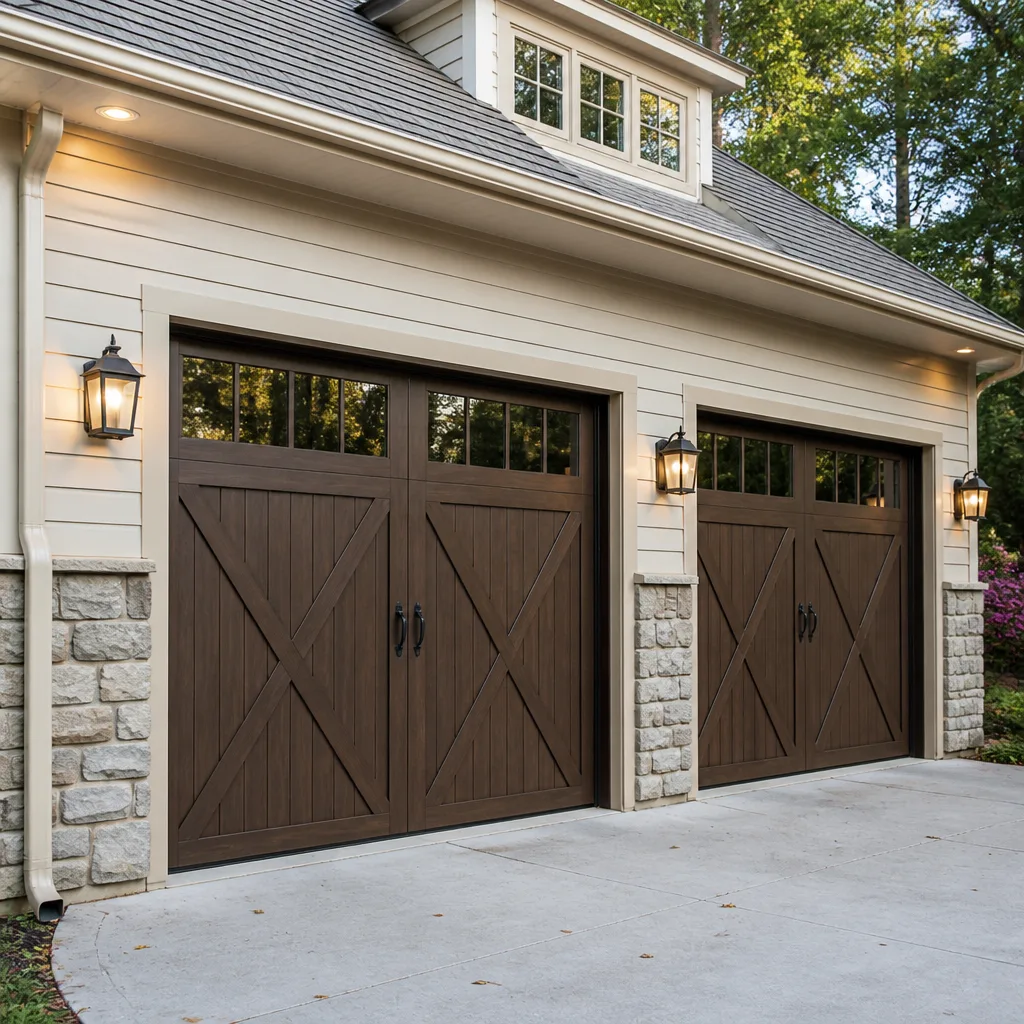 Carriage house
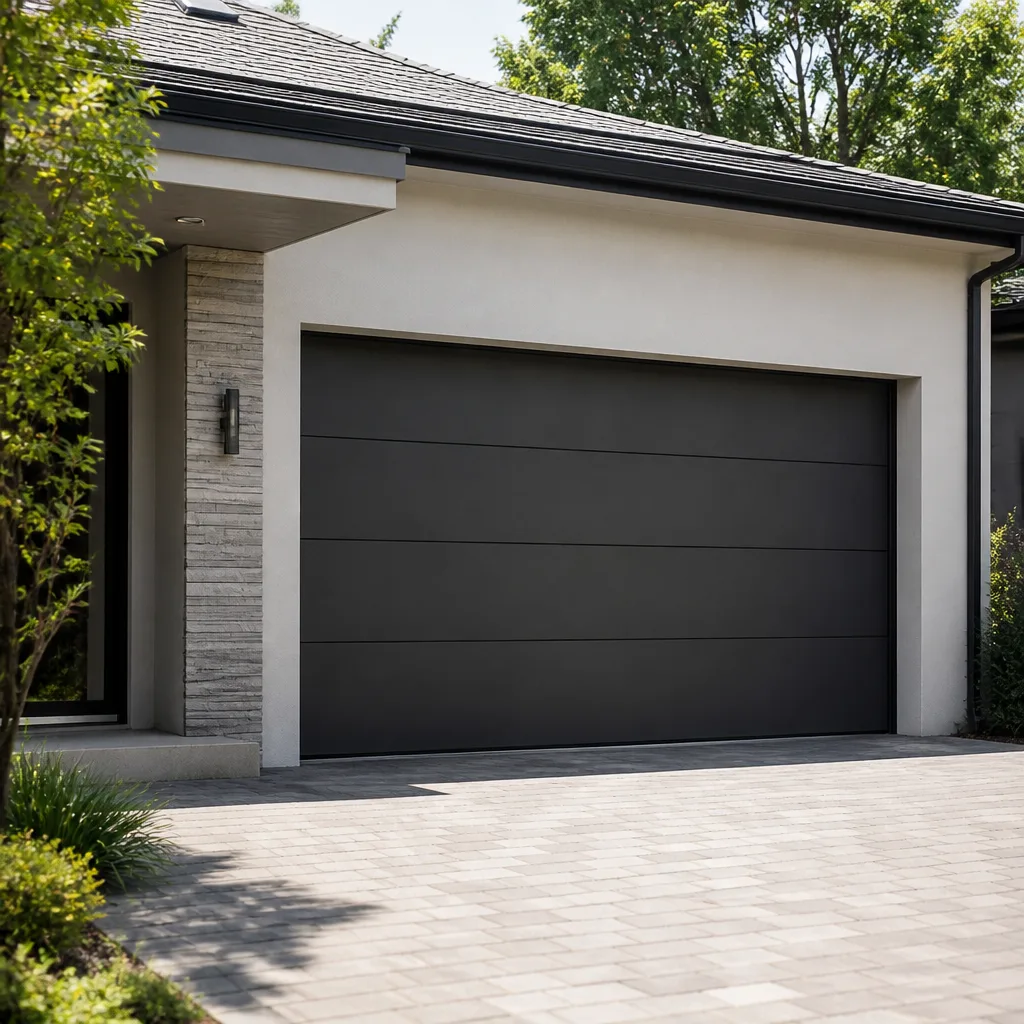 Modern flush
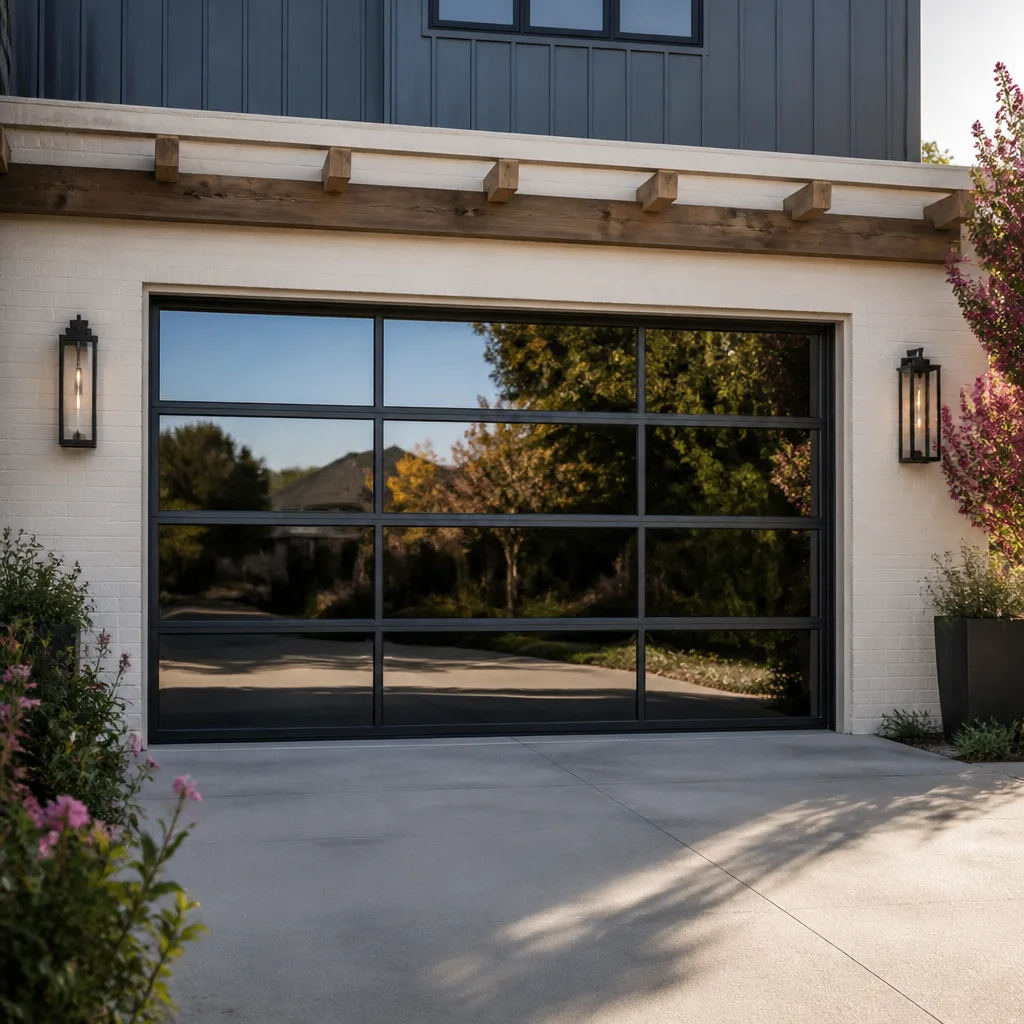 Full-view glass
 LiftMaster openers
 Chamberlain openers
Full 25-point door and opener safety check with every visit - springs, cables, rollers, tracks, and your LiftMaster or Chamberlain opener included
You get a price before we start. It does not change when the pro arrives.
Get your free estimateGarage Door Permits, Codes & Inspections in Lubbock, TX: What You Need to Know
Most Lubbock homeowners treat a garage door as routine maintenance. You call someone, a new door goes up, the old one goes to the curb, and that’s that. Here’s the part that surprises people: in Lubbock, a full garage door replacement usually requires a permit, and a spring or opener repair almost never does. The line between those two is where problems start. A missing permit for a door that was replaced years ago doesn’t create much trouble while the door works. It surfaces when you sell the house, when you file a claim on a wind-damaged door, or when a buyer’s appraiser asks why the door on the report doesn’t match what the county has on file. This guide covers what triggers a permit in Lubbock, how the local code amendments affect your door and opener, what inspectors actually check, and how to clean up unpermitted work a previous owner left behind.
We’re Dunmore Garage Door Repair, and we’ve walked Lubbock homeowners through this process often enough to know the questions come up most at the worst possible time. Our technicians have up to 13 years of experience. Here’s what we’ve learned about how permits and inspections actually work in this city.
Quick Answer
In Lubbock, replacing an entire garage door (door and track) or installing a new one generally requires a building permit through the city’s Development Services department, while like-for-like replacement of a single panel, a spring, rollers, or an opener typically does not. Any new door must meet the International Residential Code as amended locally, and wind-load requirements for West Texas mean the door’s pressure rating has to match your home’s exposure. When in doubt, call the city’s building department before you buy the door, not after it’s hung.
Styles & brands we work with
- Raised-panel steel
- Carriage house
- Modern flush
- Full-view glass
- LiftMaster openers
- Chamberlain openers
Table of Contents
- Which Garage Door Projects in Lubbock Need a Permit?
- How Lubbock’s Local Amendments to the IRC Affect Door and Opener Specs
- Wind Load Compliance for New Doors in West Texas
- What Happens During a Lubbock City Inspection
- How to Permit Work Done by a Previous Owner
- Does a New Garage Door Opener Need a Permit?
- Selling a Lubbock Home With an Unpermitted Door
- Permit Costs and How They Stack Up Against a New Door
Which Garage Door Projects in Lubbock Need a Permit?
The dividing line is structural change versus repair. If the work changes the size of the opening, adds a new opening, or replaces the door with a different model that carries a different engineering label, most Lubbock projects at that scale get a permit. If you’re fixing what’s already there, generally you don’t.
Here’s how we sort it in practice:
- Full door replacement (door and track together): Usually requires a permit. The new door has a different wind-load label than the old one, and the city wants that label on record.
- New door opening cut into an existing wall: Always requires a permit, since it’s a structural change to the wall and header.
- Single panel replacement: Typically no permit needed. The door assembly, track, and label stay the same.
- Spring, cable, or roller replacement: No permit. This is routine maintenance.
- Opener replacement or repair: No permit in almost every case. See the opener section below for the exceptions.
- Track realignment: No permit. This is repair, not replacement.
- Converting a manual door to an opener-driven door: Generally no permit, though you’re adding a run of electrical work to the ceiling and if that circuit is new, it may get reviewed under the electrical permit.
One wrinkle in Lubbock: older homes in neighborhoods like Tech Terrace and Wheelock & Additions often have garage doors that were installed before current wind-load labeling was enforced. If you’re replacing a door on one of these homes, the new door has to meet today’s code even though the old one didn’t, which can mean a heavier gauge track, additional reinforcement, or a different door model than you’d planned. That’s not a contractor upsell, it’s the door specification matching the current code. Get the permit question answered before you order the door and you avoid the awkward call where you’re told the door you just paid for can’t be hung.
How Lubbock’s Local Amendments to the IRC Affect Door and Opener Specs
Lubbock adopts the International Residential Code with local amendments, which is standard for Texas cities. The amendments matter most for garage doors in three areas: wind-load rating, attachment of the door and tracks to the structure, and the safety features on the opener. You can request the current adopted code and any amendments from the city’s building department, and it’s worth doing before you sign an installation contract.
The wind-load piece is the biggest one for West Texas. Lubbock sits in a region where the design wind speed used for residential construction is high enough that a door rated for a milder zone won’t pass. Every manufactured garage door carries a pressure rating, typically listed in the manufacturer’s engineering documentation as a design pressure in pounds per square foot. The installer matches that rating to your home’s exposure and the width of the door opening. A wider door at the same wind speed needs a higher rating, because it has more surface area to catch wind. If someone quotes you a door without mentioning its design pressure rating, ask for it in writing before you sign anything.
The opener side is simpler but still matters:
- Photo-eye safety sensors at the bottom of the track are required on every automated door, and they need to reverse the door within a few inches of obstruction.
- The manual release must be present and reachable, so the door can be operated by hand during a power outage or after an opener failure.
- Force adjustment has to be set so the door reverses under reasonable resistance. This is a mechanical adjustment on most openers, and it’s the one thing a homeowner can accidentally change by turning the wrong screw on the opener body.
Those opener requirements are true whether or not your installation needed a permit, so they’re worth knowing even for a simple replacement. Whether you have a LiftMaster, a Chamberlain, or a Genie, the sensor and reversal setup works the same way.
Wind Load Compliance for New Doors in West Texas
West Texas is a wind-first climate for building code. The design wind speed Lubbock uses for residential construction is high enough that a garage door is treated as a major building component, not a decorative one. A garage door is often the largest unreinforced opening on a house, so when wind pushes against it, the door either resists the design pressure or it doesn’t. The engineering label is the whole game.
Here’s what to look for on a new door and how to verify it:
- Get the design pressure rating in writing. Every manufactured garage door from Clopay, Amarr, Wayne Dalton, or any other major manufacturer comes with a technical data sheet that lists the design pressure for the door model at a given width and wind speed. Ask for the sheet before you order.
- Match the rating to your door size. A single-car 8-foot door and a double-car 16-foot door need different ratings at the same wind speed, because the surface area is different. A double door needs more reinforcement to hit the same pressure rating.
- Confirm the reinforcement is installed. High wind-rated doors use heavier track and struts, sometimes with additional vertical reinforcement. The label on the door doesn’t help if the installer used the standard light-duty track that came with a different door.
- Check the anchorage. The door tracks and the header bracket for the opener attach to framing. On older Lubbock homes, that framing may not have been sized for a modern wind-rated door, so it gets beefed up before installation. That’s a job for a carpenter or a contractor, and it’s exactly the kind of thing a permit review is meant to catch.
- Verify after installation. The engineering label should still be visible on the door after the install, and the pressure rating on the new label should match the one on the spec sheet you were given.
If you’re replacing a door on a home in Lubbock’s older neighborhoods, the wind-load review is where most of the permit headache lives. The new door is heavier, the track is heavier, and the anchorage has to hold all of it at design pressure. Anyone who quotes you a door without mentioning the pressure rating is either skipping that step or planning to let the permit review catch it later.
What Happens During a Lubbock City Inspection
A Lubbock city inspection for a garage door is usually a short visit, but it’s not a formality. The inspector is checking that what got installed matches what the permit described and meets the adopted code. It’s usually an interior inspection of the garage, not a test of the door’s function, though the inspector will ask to see the door operate.
Here’s what the inspector is typically looking at:
- The engineering label on the door matches the pressure rating submitted on the permit.
- The track and reinforcement match what the door manufacturer specified for the rated door.
- The anchorage at the header and jamb is solid and properly sized.
- The opener has photo-eye sensors mounted low enough to catch a child or pet, and the sensors reverse the door within a few inches when blocked.
- The manual release is present, functional, and reachable without a ladder.
- There’s no obstruction in the door travel path and no loose hardware hanging off the track.
If the inspector finds something wrong, they’ll usually issue a correction notice and give you a window to fix it. Common fixes we see are a door installed on standard track when the permit specified the wind-rated version, sensors mounted too high, or a manual release cord that’s been tied off to keep it out of the way (which defeats the whole point). All of those are correctable, but they’re also avoidable if the installer reads the permit before hanging the door.
The inspection isn’t the place to discover the door is the wrong model. That’s a re-order and a re-hang, and it usually means you’re paying for the mistake twice. The permit application is the right check point for that.
How to Permit Work Done by a Previous Owner
Lubbock has a lot of older homes where a garage door replacement was done by a homeowner, a handyman, or a contractor who skipped the permit. If you bought one of those homes, you own the problem now. The good news is that most of it is fixable, and none of it requires tearing the door down unless the door itself fails a wind-load review.
The process goes like this:
- Request the permit history for the property. Lubbock’s Development Services department can tell you what permits were pulled on the address and what their status was. If the door replacement doesn’t show up at all, you have an unpermitted installation.
- Identify the door and get its engineering label. If the label on the door is still visible, get the model number and the design pressure rating. If it’s gone or unreadable, the door model can usually be identified from the manufacturer’s records using the door’s dimensions, panel style, and any embossed logo.
- Talk to the city about retroactive permitting. Ask what documentation they’ll accept for a door that was installed previously. In many cases, a retroactive permit can be issued if the installation meets current code and the required inspection passes. If the door doesn’t meet the current wind-load rating for that size and exposure, the city may require replacement with a compliant door, which is the worst-case outcome.
- Have a licensed professional verify the installation. If the door is compliant, the installation needs to be checked for anchorage, track condition, and opener safety before the retroactive inspection. If it’s not compliant, you’re re-doing the install with a spec-compliant door.
- Complete the inspection and close the permit. Once the inspection passes, you get documentation that the door on the home is permitted and compliant, which is the whole point.
The best time to do this is before you sell or before you file an insurance claim. A retroactive permit on a door that’s already installed and passing is far cheaper and simpler than a mid-transaction scramble when the buyer’s inspector flags it.
Does a New Garage Door Opener Need a Permit?
In Lubbock, a like-for-like garage door opener replacement generally does not require a building permit, because the opener is a mechanical appliance rather than a structural change to the home. That’s the common case: the old opener fails, a new one goes up on the existing track and rail, and the electrical connection is the same outlet that’s already there.
The exceptions are worth knowing:
- New dedicated electrical circuit. If the opener installation needs a new circuit run from the panel, that electrical work falls under a separate electrical permit. The opener itself still doesn’t, but the wire does.
- Converting a manual door to an opener-driven door. Generally handled the same way, since the mechanical change isn’t structural. The electrical side is the part that gets reviewed.
- Opener replacement as part of a door replacement that’s under permit. If the door permit covers the full installation, the opener usually gets inspected as part of that permit, and the sensor and manual release requirements get checked at the same time.
The safety features matter regardless of permit status. Photo-eye sensors, the manual release, and proper force adjustment are code requirements on every automated door in a residential garage. If you’re replacing a Genie or a Chamberlain unit, the electrical and sensor setup is the same; the specific model of the opener doesn’t change the requirement.
If your opener has failed and you’re not sure whether it needs a permit, the answer is almost always no. What needs attention is the installation itself. Our garage door opener repair team handles the full range of drive types and smart-home-enabled systems, and we can tell you whether the problem is the logic board, the sensors, or the unit itself before you replace something that doesn’t need replacing.
Selling a Lubbock Home With an Unpermitted Door
This is where a missing permit shows up most often and hurts most. When a buyer’s inspector finds an unpermitted door replacement, the disclosure obligation falls on you as the seller, and the buyer’s lender may require it to be permitted before the loan funds. It doesn’t matter that the door works fine and has worked fine for years. The paperwork is the problem.
What usually happens:
- The inspector flags the discrepancy between the county’s records and the door on the home, which sends the transaction into a hold while the seller sorts out the permit history.
- The buyer’s lender asks for documentation that the door is permitted, which means either a retroactive permit or a new installation.
- The appraisal may not reflect the door if the appraiser can’t verify it’s the permitted model with the rating on file, which can affect the loan-to-value and, in some cases, the sale price.
None of this is fatal, but all of it is easier to handle before the house goes on the market. If you’re planning to sell in the next couple of years and you know your door was replaced without a permit, getting it permitted now saves you a scramble later.
The other trigger is an insurance claim. If a wind event damages your garage door and the adjuster asks for the permit for the installation, an unpermitted door can complicate the claim. We’re not insurance professionals and we don’t speak for any carrier, but we can tell you that a properly permitted installation makes the conversation far simpler, and we can work with your insurer on the repair side.
For the broader repair question, our garage door repair team can look at an existing door and tell you whether it meets the current wind-load spec or whether a replacement is the cleaner path.
Permit Costs and How They Stack Up Against a New Door
Lubbock’s permit fees for a garage door replacement are set by the city and depend on the scope and valuation of the job, so the exact figure comes from Development Services when the permit is applied for. We don’t quote a permit fee because we don’t set it, but it’s a modest line item against the price of the door itself. The cost you actually need to plan for is the door, the track, the reinforcement, and the installation labor. Here’s what typical installed prices look like for Lubbock, all subject to a written estimate.
| Project | Typical Installed Estimate (Lubbock) |
|---|---|
| Single garage door replacement (8 ft, standard steel) | $1,100 – $2,200 |
| Single garage door replacement (8 ft, insulated, wind-rated) | $1,600 – $3,000 |
| Double garage door replacement (16 ft, standard steel) | $1,800 – $3,500 |
| Double garage door replacement (16 ft, insulated, wind-rated) | $2,500 – $4,800 |
| Wind-load reinforcement (track and struts upgrade) | $300 – $800 |
| Opener replacement (belt or chain drive, installed) | $350 – $800 |
| Spring replacement (per spring, single) | $180 – $340 |
| Spring replacement (matched pair) | $360 – $680 |
Those are estimates, not quotes. The written estimate sets the final price, quoted and agreed before any work starts, so you know what you’re paying before the door gets ordered. The permit fee is a city charge on top of that, and it’s a small fraction of the total install. If the alternative is a door that doesn’t meet the wind-load rating and has to come down later, the permit fee is cheap insurance.
For a closer look at what a full installation covers, our installation work in Lubbock follows the same permit-first approach.
Common Mistakes to Avoid
- Assuming a repair needs a permit. Replacing a single spring, a roller, or a panel doesn’t require one, and spending time on a permit for those jobs is wasted effort. Know the difference before you call the city.
- Assuming a full replacement doesn’t need a permit. This is the more expensive mistake. A new door and track usually require one in Lubbock, and skipping it is what trips up home sales and insurance claims later.
- Buying the door before the permit is applied for. The permit review may require a different wind-load rating than the door you ordered, and once it’s delivered, you own it. Apply first, order second.
- Hiring an installer who doesn’t mention the engineering label. If a quote doesn’t include the design pressure rating on the door, ask for it. A door that can’t be verified to the rated spec is a door the inspector may not pass.
- Ignoring an unpermitted door on a home you just bought. Older Lubbock neighborhoods have plenty of these. It’s fixable, but the time to fix it is before you sell, not during the transaction.
- Letting a handyman install a wind-rated door. The door itself is the easy part. The anchorage, track reinforcement, and header bracket attachment are what the inspection checks, and those need to be right. Wind-load compliance is a structural job, and a door that fails the load check is a safety issue, not a cosmetic one.
- Tying off the manual release cord. It’s a common fix for a cord that keeps catching on things, and it’s the first thing an inspector notices. The release has to be reachable in an emergency.
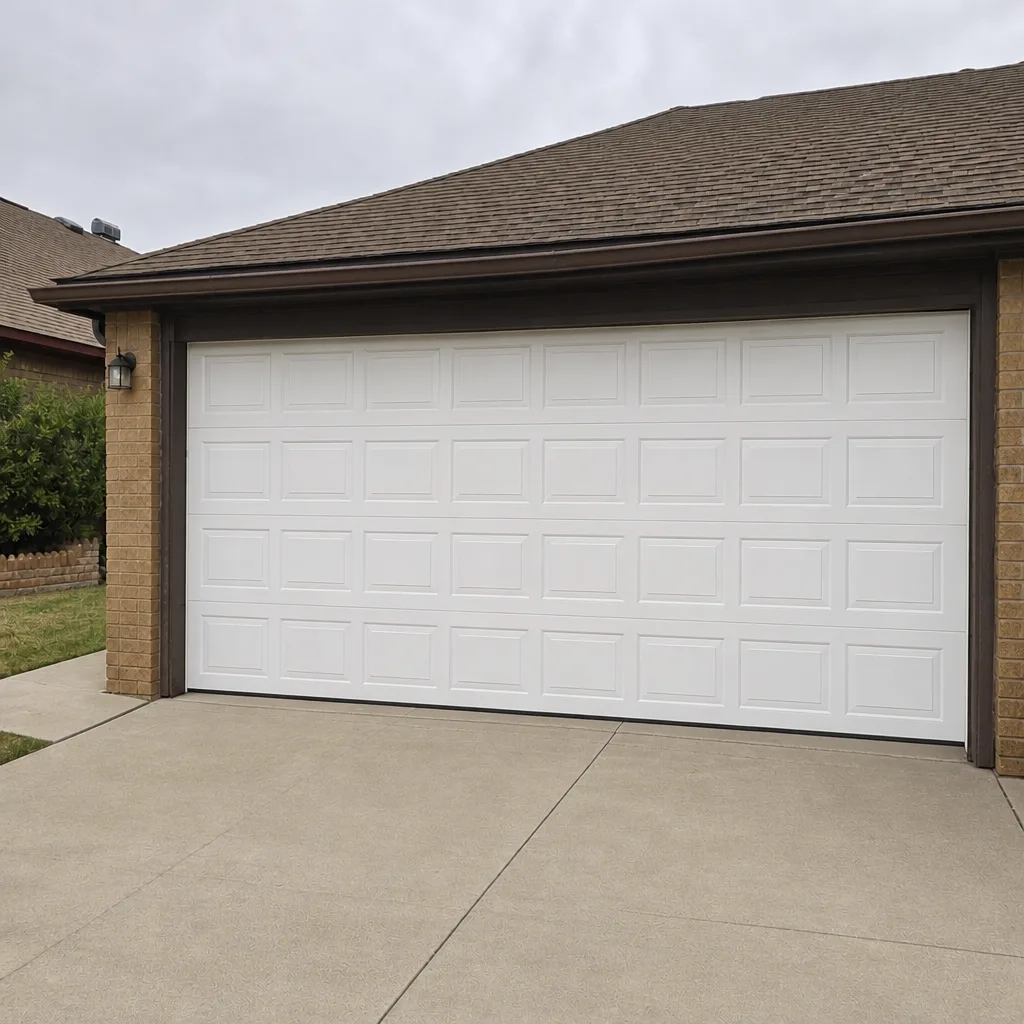
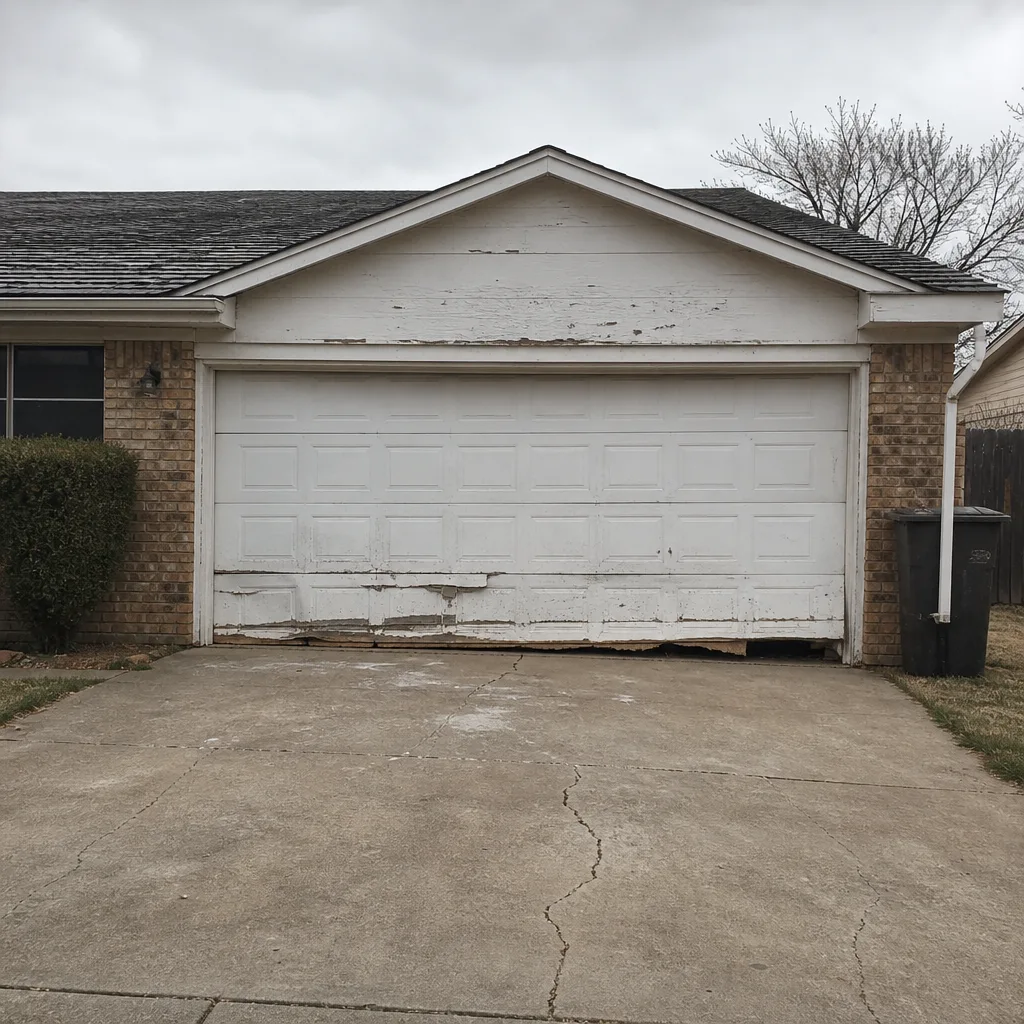
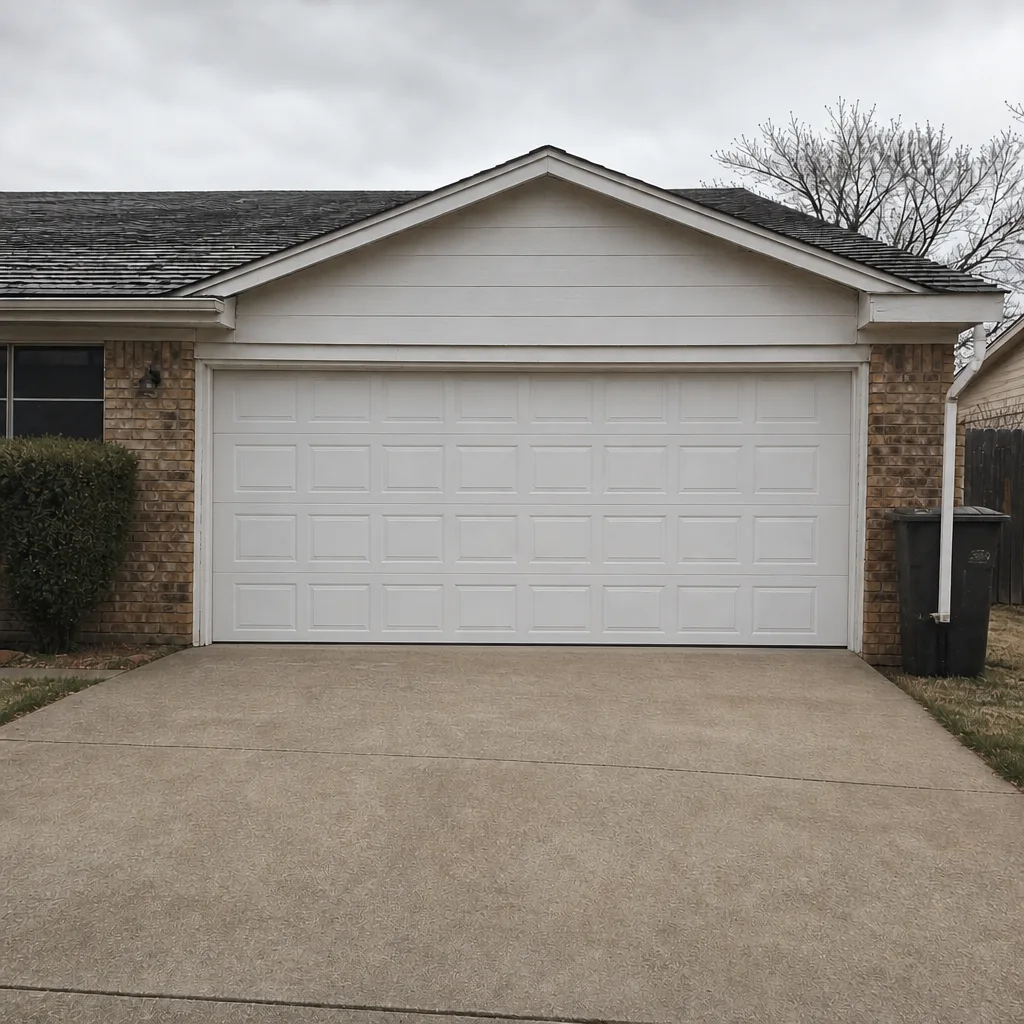
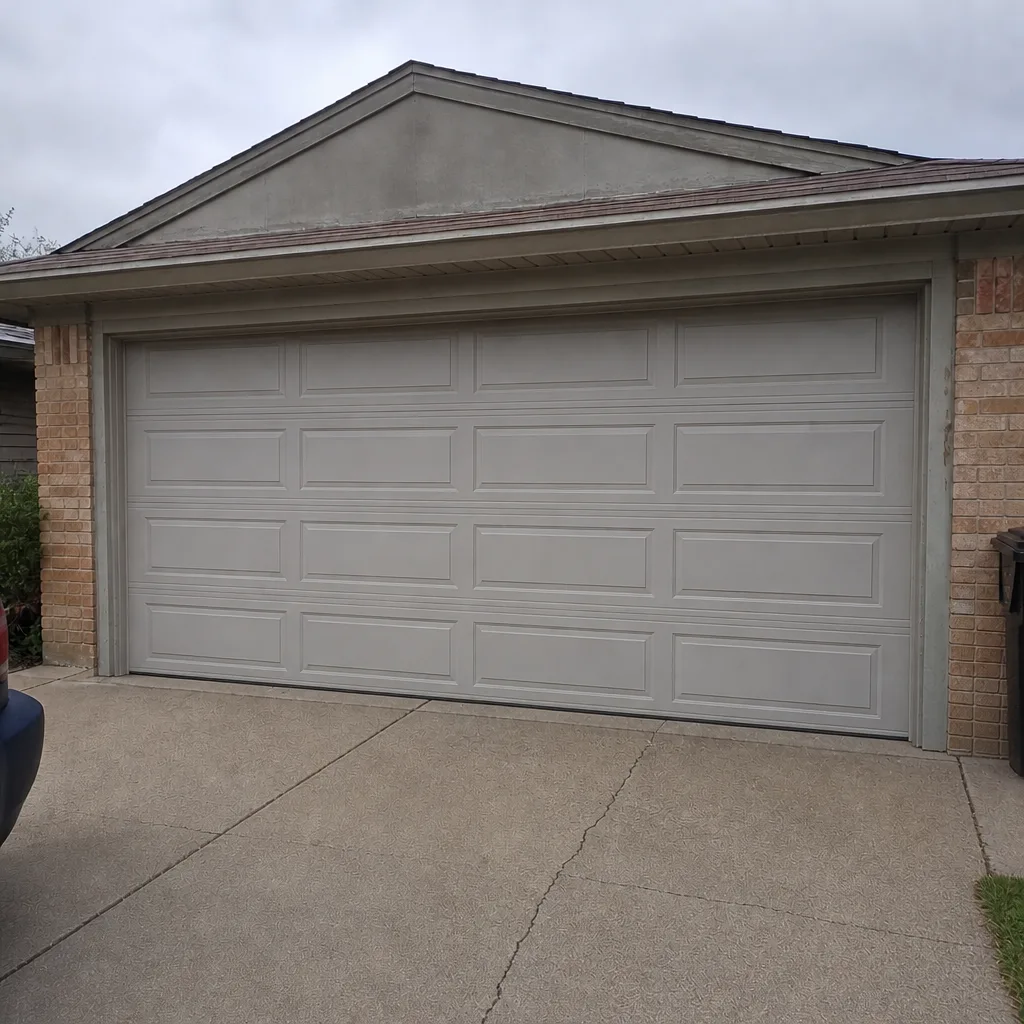
See the difference
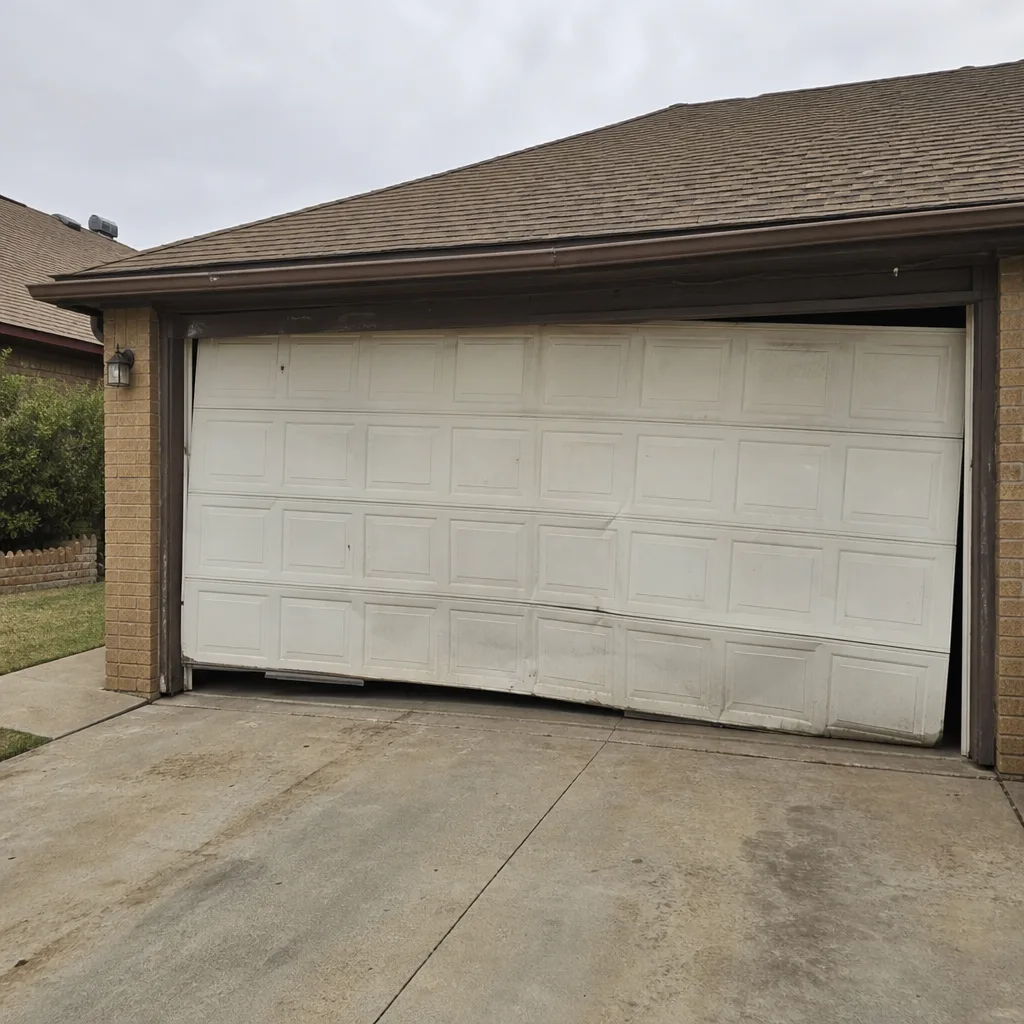 Before
 After
 Before
 After
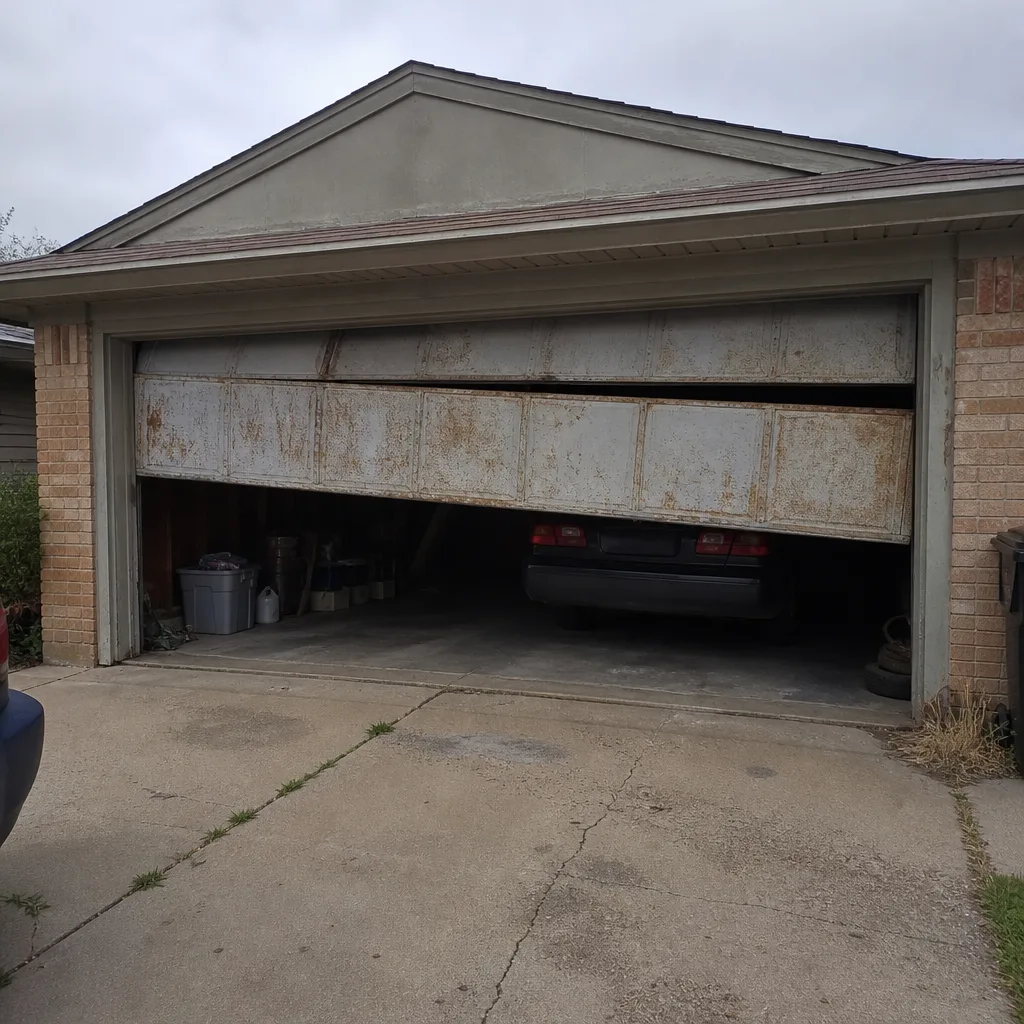 Before
 After
When to Call a Professional
Call a professional if your garage door replacement is being done without a permit and you’re not sure whether it needs one, if an inspector has flagged your installation and given you a correction window, or if you’re buying a home with a door that may have been replaced without documentation. We can look at the existing door, tell you what rating it carries, and walk you through the permit path before you commit to a replacement.
Dunmore Garage Door Repair offers free estimates in Lubbock. Call (866) 361-7024. We answer 24/7, with fast dispatch from 7am to 7pm, Sunday through Friday. Estimates are free, and the price is quoted and agreed before any work starts.
One safety note before you touch anything: garage door springs and cables are under high tension, and the hardware can cause serious injury if it releases unexpectedly. Don’t try to adjust or replace springs yourself. That’s a job for a trained technician with the right tools, and it’s the one part of garage door work where we recommend leaving it to the pros without exception.
Frequently Asked Questions
Yes, in most cases. A full garage door replacement (door and track together) generally requires a building permit through Lubbock’s Development Services department, because the new door carries a different wind-load label than the old one and that needs to be on record. A like-for-like repair, such as a single panel, spring, roller, or opener replacement, typically does not require a permit. Call the city’s building department before you order the door to confirm the specific scope. Call (866) 361-7024 for a free estimate on the installation itself.
No, a like-for-like opener replacement generally doesn’t require a building permit in Lubbock, because the opener is a mechanical appliance rather than a structural change. The exception is if the installation needs a new dedicated electrical circuit from the panel, which falls under a separate electrical permit. The opener itself, whether it’s a LiftMaster, a Chamberlain, or a Genie, doesn’t trigger a permit in that case. Call (866) 361-7024 if you’re not sure what your installation needs.
The specific design pressure rating depends on your door size and the exposure of your home, but Lubbock’s design wind speed for residential construction is high enough that a basic door sold for a milder climate won’t pass. Ask your installer for the design pressure rating in writing before you order, and verify that the door, track, and reinforcement all match that rating. A 16-foot door needs more reinforcement than an 8-foot door to hit the same rating. Call (866) 361-7024 for a free estimate that includes the rating on paper.
The inspector checks that the installed door matches the permit (model, engineering label, and wind-load rating), that the track and anchorage are properly attached, and that the opener has working photo-eye sensors and a reachable manual release. The visit is short but not a formality. A door installed on standard track when the permit specified the wind-rated version is the most common failure we see. Call (866) 361-7024 if your installation has been flagged and you need it corrected.
Start by requesting the property’s permit history from Lubbock’s Development Services department to confirm the door wasn’t permitted. Then identify the door model and its engineering label, talk to the city about retroactive permitting, and have a licensed professional verify that the installation meets the current wind-load rating and anchorage requirements. If it does, a retroactive permit and inspection can usually close the gap. If it doesn’t, the door may need to be replaced. Call (866) 361-7024 and we can look at the door and tell you which path you’re on.
It can, yes. A buyer’s inspector will usually flag the discrepancy between the door and the county records, and the buyer’s lender may require it to be permitted before the loan funds. On a wind damage claim, an adjuster may ask for the installation permit, and an unpermitted installation can complicate the process. Getting the door permitted before you list the house or file a claim avoids the worst of it. Call (866) 361-7024 for a free estimate on the repair or replacement work.
The Bottom Line
In Lubbock, the permit question comes down to one distinction: structural change versus like-for-like repair. A full door and track replacement usually needs a permit because the new door’s wind-load rating has to match the code as amended locally, and that rating has to be on record. A spring, panel, roller, or opener repair generally doesn’t. The gap most homeowners get burned by is the one they don’t think about until they sell or file a claim. Do the permit check before you order the door, verify the design pressure rating in writing, and if you’re buying a home with an older door, request the permit history before closing. That’s the whole playbook, and it costs almost nothing to follow.
If you need repair, opener diagnostics, or a full installation that follows the permit path from the start, Dunmore Garage Door Repair serves Lubbock and the surrounding area. We’re a multi-brand specialist, which means recommendations come from what your existing system actually needs, not from a product line we’re pushing. You can reach us at (866) 361-7024 for a free estimate. We answer 24/7, with fast dispatch from 7am to 7pm, Sunday through Friday. Learn more about Dunmore Garage Door Repair and how we handle the full door and opener lifecycle.
Written by the team at Dunmore Garage Door Repair.