
Last updated November 15, 2026
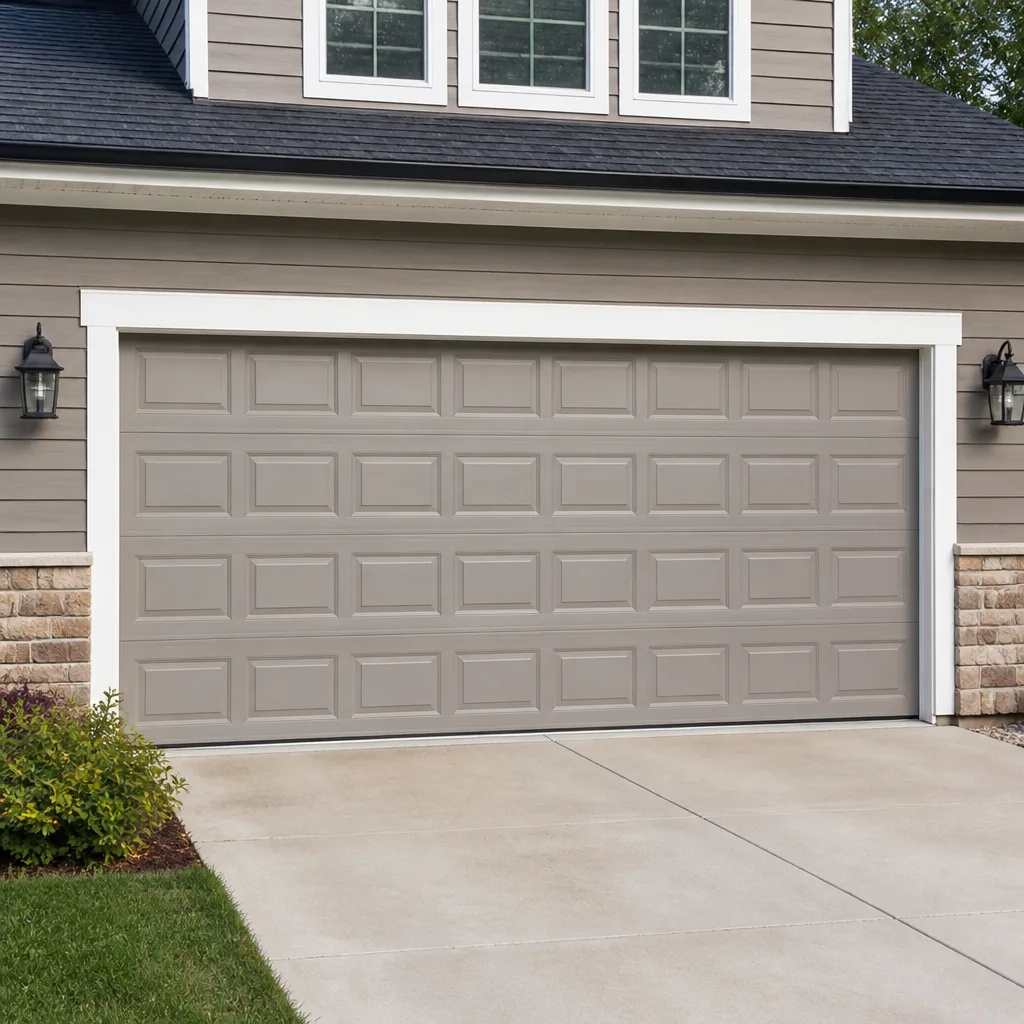 Raised-panel steel
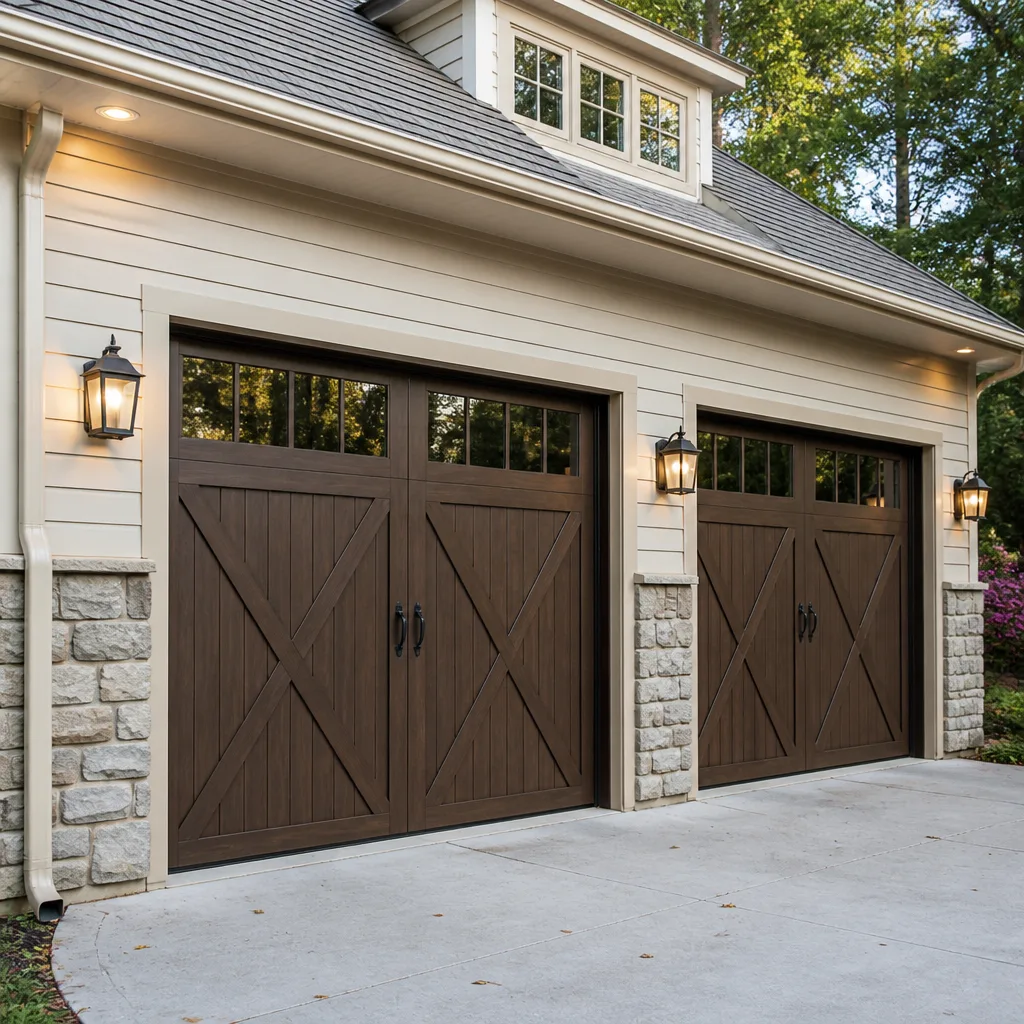 Carriage house
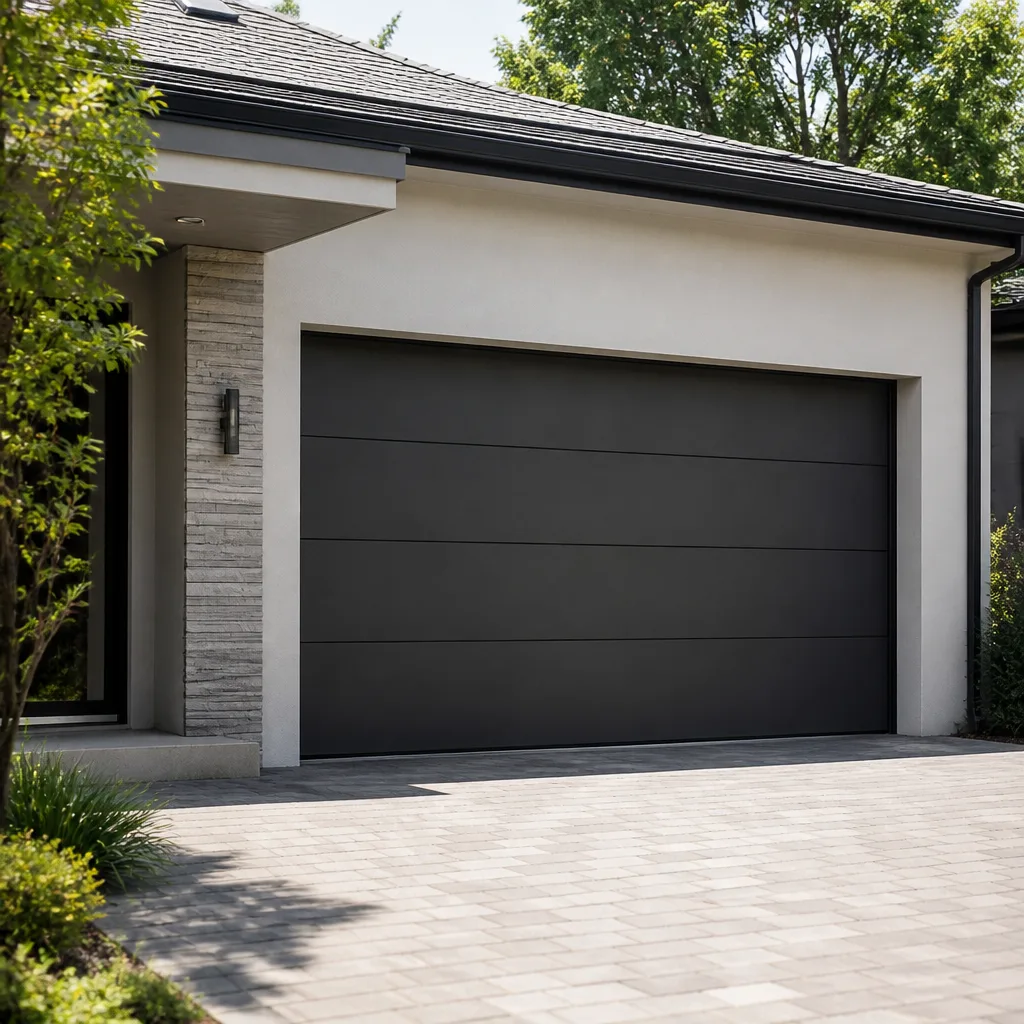 Modern flush
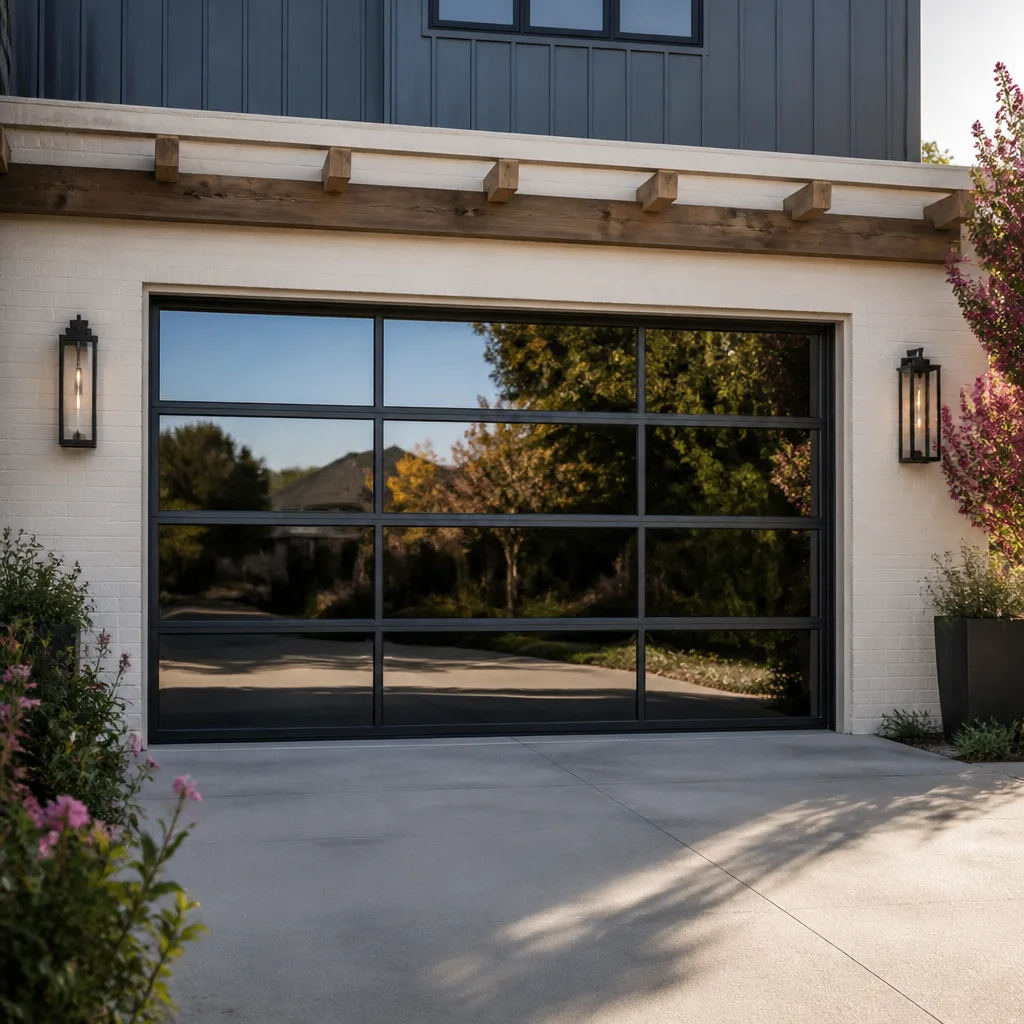 Full-view glass
 LiftMaster openers
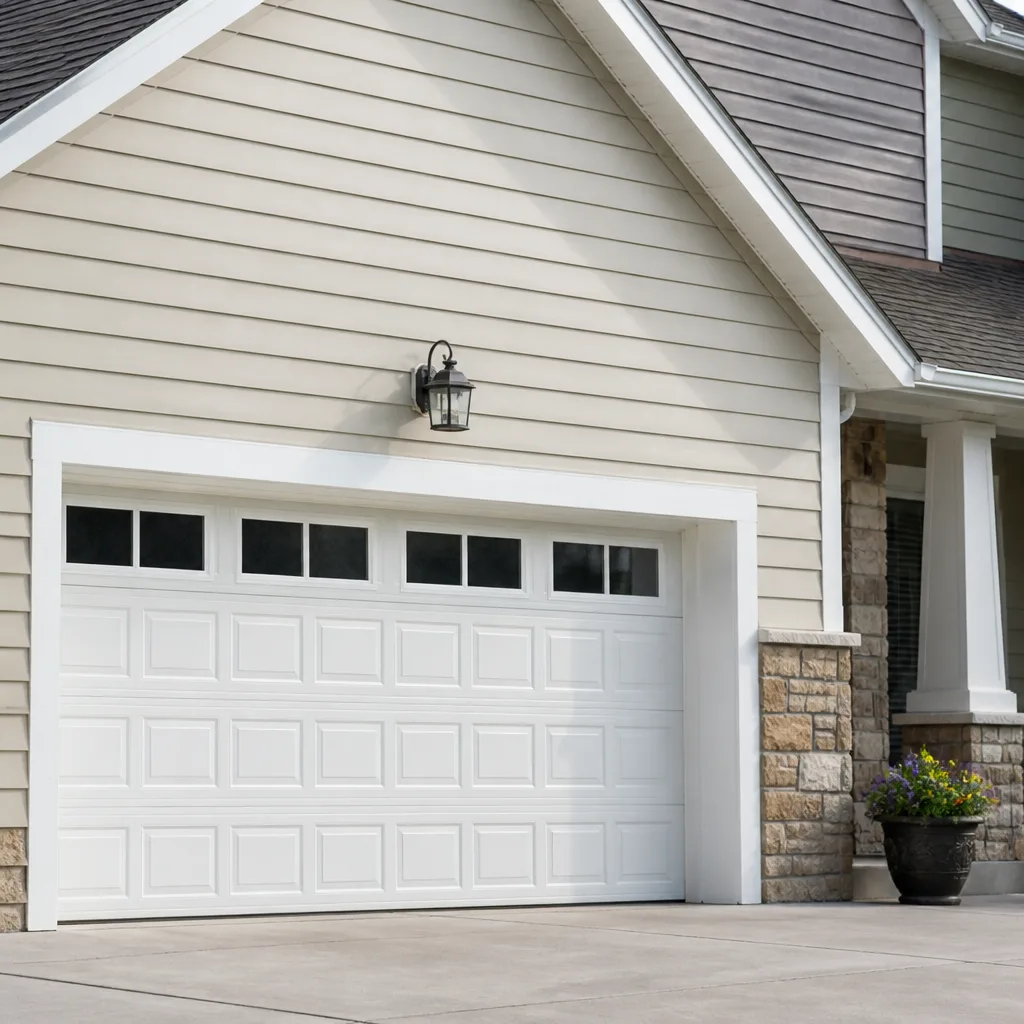 Chamberlain openers
Full 25-point door and opener safety check with every visit - springs, cables, rollers, tracks, and your LiftMaster or Chamberlain opener included
You get a price before we start. It does not change when the pro arrives.
Get your free estimateDIY vs Professional Garage Door: The Lubbock Homeowner’s Decision Guide
Most homeowners assume the DIY-versus-professional question comes down to skill. It doesn’t. The real dividing line is physics and consequence: a torsion spring holds enough stored energy to break bones, and a door that comes down wrong is a two-ton problem sitting in the air above your car. Some tasks on a garage door are genuinely fine to handle yourself. A few carry real injury risk. And a handful are never worth the attempt, no matter how handy you are. This guide breaks down garage door work task by task for Lubbock homeowners, so you know exactly where your comfort level should stop and a trained technician should start.
Quick Answer
Safe DIY garage door tasks in Lubbock are limited to cleaning and lubricating moving parts, replacing weatherseal at the bottom of the door, tightening bolts, and clearing obstructions from the safety sensors. Torsion spring replacement, cable work, and any repair that involves releasing stored tension are never DIY jobs, full stop. Everything in between (rollers, hinges, panel replacement, opener troubleshooting) sits on a spectrum where your tools and comfort level decide whether it’s worth attempting or calling in a professional.
Styles & brands we work with
- Raised-panel steel
- Carriage house
- Modern flush
- Full-view glass
- LiftMaster openers
- Chamberlain openers
Table of Contents
- The Three-Tier Framework: Safe, Risky, Never
- Why Spring Replacement Is the Hard Line
- The Real Cost Comparison: Labor, Tools, Time, and Warranty
- How Lubbock Dust and Heat Make DIY Harder
- Task-by-Task: What to Attempt and What to Skip
- How to Stop Mid-Job Without Making It Worse
- Opener Repair: A Different Kind of Risk
- Common Mistakes to Avoid
The Three-Tier Framework: Safe, Risky, Never
The useful way to think about garage door work isn’t “DIY or not.” It’s “which of these three tiers does this task live in.” That framing keeps you honest about what you’re actually capable of and stops the most dangerous scenario of all: a homeowner who starts a job thinking it’s tier one and finds out at the wrong moment it was tier three.
Tier One: Genuinely Safe to DIY
- Cleaning tracks with a rag and non-oil solvent
- Lubricating hinges, rollers, and springs with a proper garage door lubricant
- Tightening loose bolts on hinges and brackets (finger-tight, not torqued)
- Replacing bottom weatherseal or side seal
- Clearing debris from photo-eye sensors and aligning them
- Replacing the battery in a remote or keypad
- Testing the auto-reverse safety feature
These are the tasks where a homeowner with basic tools and a free afternoon will get a good result and won’t put themselves in harm’s way. Our technicians have up to 13 years of experience and still do these tasks by hand every day; they’re not going anywhere.
Tier Two: Risky but Doable With the Right Tools
- Replacing rollers (requires the door to be fully open and safely braced)
- Replacing hinges (same bracing requirement, plus the door must be at the correct height)
- Replacing a single panel on a sectional door
- Adjusting springs on extension-spring doors (torsion is a different story)
- Replacing opener drive belts or chains
- Resetting a logic board on an opener
These are the tasks where a homeowner who has the tools, the patience to read the manufacturer’s instructions, and a second person to help can often get the job done. But they’re also where most mid-job “I’m in over my head” calls come from.
Tier Three: Never a DIY Job
- Torsion spring replacement or adjustment
- Cable replacement or re-spooling
- Bottom bracket removal
- Track replacement or major realignment
- Any work on a door that has come off its tracks
- Electrical work inside the opener housing beyond unplugging it
Every one of these can hurt you, and several can hurt you badly. If you’re staring at a door with any of these problems in Lubbock, the right move is to stop, put the tools down, and call garage door repair help rather than push through.
Why Spring Replacement Is the Hard Line
A torsion spring above a typical residential door is wound to somewhere in the range of 150 to 200 pounds of torque. That number isn’t a safety disclaimer; it’s a description of stored energy. When the spring is doing its job, that energy counterbalances most of the door’s weight. When the spring is released uncontrolled, all of that energy goes wherever the loosest object is, and the loosest object is usually the winding bar or the wrench or whatever the homeowner was holding.
A trained technician who does this every day still uses winding bars and stands to the side of the spring while winding. That’s not over-caution. That’s the technique that keeps you out of the trajectory if something slips. There’s no trick that makes it safe to stand directly in front of a torsion spring under tension, and there’s no tool that makes the job safe for someone who hasn’t practiced it.
Extension springs on older doors are a different animal and in some ways worse. They stretch along a track rather than being wound in place, and when they fail they travel. That’s why most modern manufacturers recommend running a safety cable through the center of every extension spring; the cable contains the spring when it lets go. If your door has extension springs and no safety cables, that’s a real safety issue worth addressing even if the door is currently working.
What people miss about the spring specifically: the winding process is where the injury happens, not the failure. A spring that snaps while the door is closed makes a loud noise and leaves you with a door you can lift by hand (carefully). A spring that snaps while it’s being wound is a completely different event. That’s the reason this is the hard line for DIY and stays the hard line no matter how many videos someone watches.
The Real Cost Comparison: Labor, Tools, Time, and Warranty
A DIY repair looks cheaper on paper because the labor is free. In practice, the comparison has to include the tools, the time, and the warranty consequences, and once you add those in, the gap narrows a lot. Here’s the honest breakdown.
Tools You’d Need to Buy
- Torsion winding bars (only for tier-three work, and you shouldn’t use them)
- A proper 1/2″ drive socket set and extensions
- Locking pliers and C-clamps for bracing the door
- A drill with the correct bits for panel work
- Garage door lubricant (not WD-40; a proper door lubricant)
- Safety glasses and heavy gloves
For a one-time repair, the tools can cost as much as the job. For a homeowner who does regular maintenance, they pay for themselves over a few years.
Time Cost
A single-tier-one task usually takes under an hour. Tier-two jobs range from 30 minutes (rollers) to a full afternoon (panel replacement), and that’s when nothing goes wrong. When something strips, rounds off, or refuses to seat, the afternoon becomes a weekend. A working garage door is often the difference between parking in the driveway and parking in the garage, and the second option matters more in a place where wind and dust are constant companions.
Warranty Consequences
Most manufacturers void the component warranty on a door or opener when it’s been worked on by someone other than a qualified technician, and many panel warranties specifically exclude field modifications. That means an attempted DIY spring replacement doesn’t just risk injury; it can take the warranty off the whole door. Before you touch anything, read the warranty terms for your door and opener. If you’re not sure what they say, that’s information worth having before you pick up a wrench.
The Honest Math
If the task is tier one, DIY wins on every axis. If it’s tier three, there’s no cost comparison worth making, because the risk isn’t priced in labor. Tier two is where the math actually matters, and the right answer depends on your tools, your time, and your tolerance for a job that might not go smoothly.
How Lubbock Dust and Heat Make DIY Harder
A garage door repair in Lubbock is not the same job it would be in a wetter climate or a cooler one. The two factors that change the calculus most are dust and heat, and they both make certain DIY tasks harder than the videos and guides suggest.
Dust and Track Wear
Lubbock sits on the Llano Estacado, and the wind that comes across it carries fine dust that gets into everything. That dust works its way into track rollers and hinges and turns lubricant into a grinding paste. When you replace a roller, you’ll often find the track has picked up grit that was already grinding at the old roller’s bearings. Cleaning the track properly is part of the job, not an optional step, and the repair only lasts if the track is clean before the new roller goes in. A homeowner who skips this step will be back in the same place in a few months.
Heat and Weatherseal
Summer heat bakes the rubber weatherseal at the bottom of the door, and it dries out and cracks faster than in cooler parts of the country. Replacing it yourself is fine, and it’s one of the more rewarding DIY jobs on the list because the improvement in wind and dust sealing is noticeable immediately. The trick is choosing a seal rated for high-heat exposure; a cheap one will crack again within a season or two. West Texas UV does not negotiate.
Heat and Opener Electronics
Garages in Lubbock can get very hot, and that heat is hard on opener logic boards and capacitor-driven motors. A homeowner who’s troubleshooting an opener that works fine in the morning and acts up in the afternoon is often chasing a heat-related failure of an electronic component, not a mechanical problem. That’s not a DIY fix; it’s a diagnostic question, and it’s the kind of thing where specific knowledge of the brand’s electronics matters. A LiftMaster logic board and a Genie logic board fail differently, and the diagnosis is not interchangeable.
Dust, Wind, and Panels
Wind-blown debris is a constant source of cosmetic and functional panel damage on Lubbock doors. Panel replacement is tier-two work and often genuinely doable, but the fit tolerance on a Clopay or Amarr panel is tighter than most homeowners expect, and a panel that goes on slightly out of square will bind against the adjacent section within a few cycles. If you’re replacing a panel yourself, plan for the time to do it right.
Task-by-Task: What to Attempt and What to Skip
Here’s the task-by-task verdict, in the order most homeowners actually encounter these problems. Use it as a decision tool when something on your door isn’t working the way it should.
- Door won’t close and the light on the opener flashes: Almost always the photo-eye sensors. Tier one. Check for obstruction, wipe the lenses, and realign them so the indicator lights stay steady when the door is in the way. If they still won’t align, that’s a call.
- Door is noisy or jerky: Usually lubrication and hinge fasteners. Tier one. Lubricate with a proper door lubricant, tighten loose hinge bolts, and re-test. If the noise persists, the rollers or the springs may be involved, which moves you up a tier.
- Weatherseal is cracked or missing: Tier one. A straightforward replacement and one of the best wind-and-dust improvements you can make on a Lubbock door.
- One roller has failed or come loose: Tier two. Requires the door to be open and safely braced. Doable with a second person and a clamp, risky alone.
- One hinge is bent or broken: Tier two, same bracing requirement as rollers. Do not attempt on a door that isn’t fully open and secured.
- One panel is visibly bent: Tier two. Panel replacement is more involved than it looks, and fit tolerance is unforgiving. Read the manufacturer’s instructions before you buy the panel.
- The door won’t balance (won’t stay halfway open): That’s a spring problem. Do not attempt. This is the single most common call we handle in Lubbock, and it is never a DIY job.
- Opener runs but the door doesn’t move: Could be the manual release, the drive belt or chain, or the opener’s internal gearing. A quick visual check is fine; the repair often isn’t.
- Remote works intermittently: Tier one. Battery first, then re-pair the remote. If it’s still intermittent after that, the receiver or logic board is the problem, and that’s tier three.
- Door has come off its track: Never DIY. The springs and cables are doing unpredictable work when a door is off track, and the safest thing you can do is leave it exactly where it is and call.
How to Stop Mid-Job Without Making It Worse
This scenario is more common than anyone admits: a homeowner starts a job that seemed manageable, and partway in realizes it’s not. The door is open, the tools are out, and the question is what to do next. The answer is to stop cleanly, not to try one more thing.
- Stop applying force. Whatever you’re doing, stop pushing on it. The single biggest cause of mid-job damage is a homeowner who doubled down after something felt wrong.
- Do not try to close the door. If any component is in an uncertain state, especially springs or cables, forcing the door down can turn a stalled repair into a dangerous one.
- Brace the door if it’s open. A C-clamp on the track above a roller will hold the door where it is. If you don’t have a clamp, use something sturdy that won’t slide or deform. Do not stand under the door while you figure this out.
- Unplug the opener. Take the door out of the electrical equation so nothing cycles while you’re setting up.
- Photograph what you see. Take a few clear pictures of the current state. When you call, those photos help the technician know what they’re walking into and bring the right parts.
- Call a professional and describe exactly what state the door is in. Not what you were trying to fix, but what’s true right now. “The door is open and clamped, one spring is intact and the other is not” is the kind of description that gets you the right help fast.
- Do not cycle the door to “test” it. Leave it where it is until a technician has looked at it.
If you’re stuck mid-repair in Lubbock, call Dunmore Garage Door Repair. We answer 24/7. Fast dispatch from 7am to 7pm, Sunday through Friday. A call outside dispatch hours is booked into the next opening, Sunday through Friday, 7am to 7pm.
Opener Repair: A Different Kind of Risk
Opener work looks more approachable than spring work because there’s no stored mechanical tension to worry about. It’s still not a good DIY target for most homeowners, but for different reasons. The safety issue is electricity (the opener is wired into your home’s circuit), and the diagnosis issue is that a modern opener’s logic board, limit switches, motor capacitor, and sensors all interact in ways that specific brand knowledge helps diagnose.
The brands we work with every day (LiftMaster, Chamberlain, Genie, Clopay, Amarr, Wayne Dalton, Craftsman, and Raynor) each have their own failure patterns. A Craftsman opener with a blinking LED code doesn’t mean the same thing as a Chamberlain opener with a blinking LED code, and a homeowner who reads a general guide online can end up replacing a part that was never the problem. That’s the diagnosis gap that a dedicated garage door opener repair service exists to close. We know what the specific logic board, remote, sensor, and drive system on your brand is telling us, and we don’t guess.
There’s also the electrical question. Any work inside the opener housing is a job for someone who knows what they’re doing with a live circuit, and that means unplugging the unit and confirming it’s dead before opening the case. We don’t recommend homeowners open the opener casing. If the problem is upstream of the opener (the outlet, the wiring run from the panel), that’s an electrician’s work, not an opener technician’s, and not a homeowner’s.
What is worth doing yourself: keeping the opener housing clean, checking that the manual release is functional, testing the auto-reverse feature, and re-pairing remotes. Those are tier-one tasks and they’ll keep the opener working longer.
Common Mistakes to Avoid
- Trying to close a door with a broken spring. If a spring is broken, the door is heavier than it has any right to be, and forcing it down can damage the door, the opener, and the person doing the forcing. Leave it open and call.
- Using WD-40 as garage door lubricant. It attracts dust rather than repelling it, and in Lubbock’s windy conditions that means the screwdriver-shaped straw isn’t just useless, it’s making things worse. Use a proper door lubricant and re-apply sparingly.
- Working under a door that’s being held open by the opener alone. The opener’s hold isn’t a brace. If you’re going to be under the door, the door needs to be clamped to the track, and the opener needs to be unplugged.
- Skipping the track clean before installing new rollers. In Lubbock this is the single biggest reason a roller replacement doesn’t last. Clean the track first; the new roller will thank you and so will your wallet.
- Buying the cheapest weatherseal. Lubbock heat will eat a cheap seal in one season. Spend the extra few dollars and get a heat-rated seal; you’ll replace it a third as often.
- Trying to adjust a torsion spring based on a video. No video makes it safe. This is the hard line and it stays the hard line.
- Ignoring a small opener fault until it becomes a dead opener. Heat-related failures in Lubbock tend to start small and get worse. If your opener is acting up only on hot afternoons, get it looked at before the logic board stops working entirely.
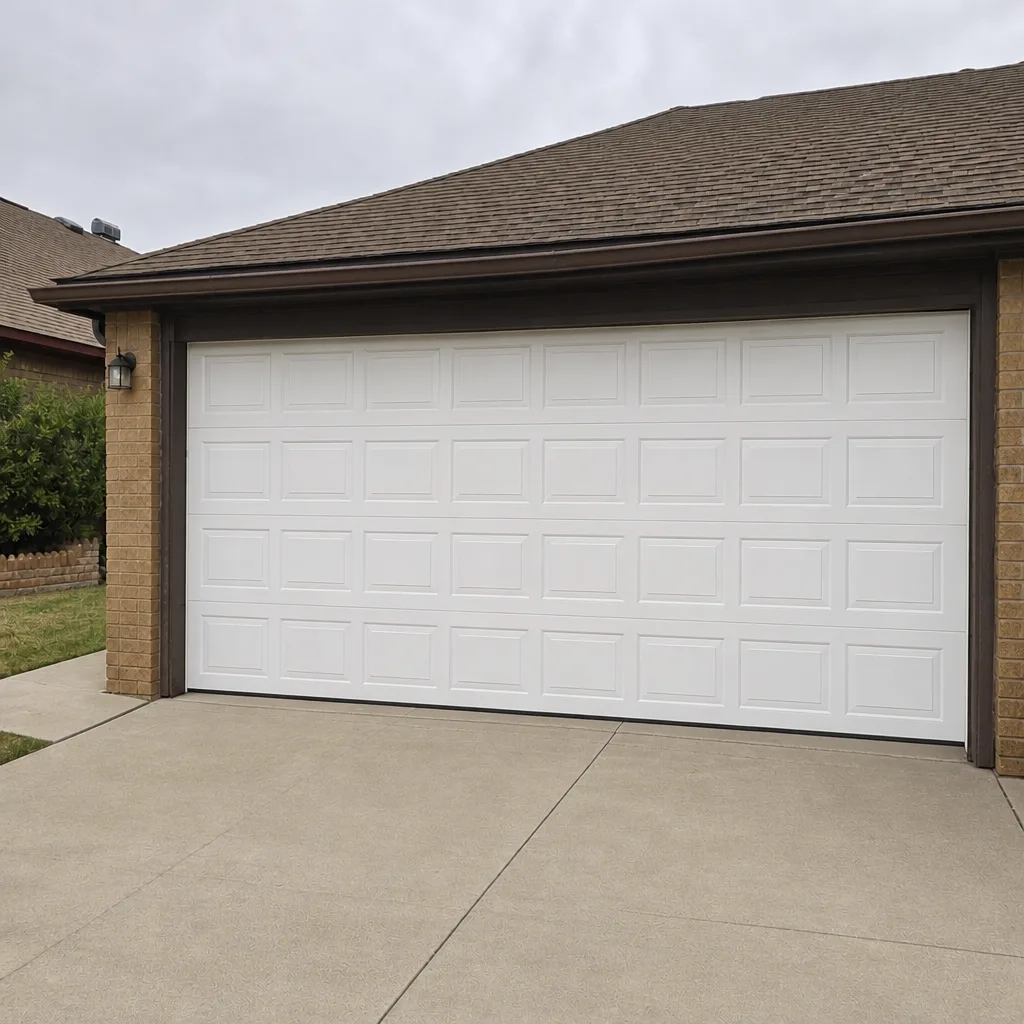
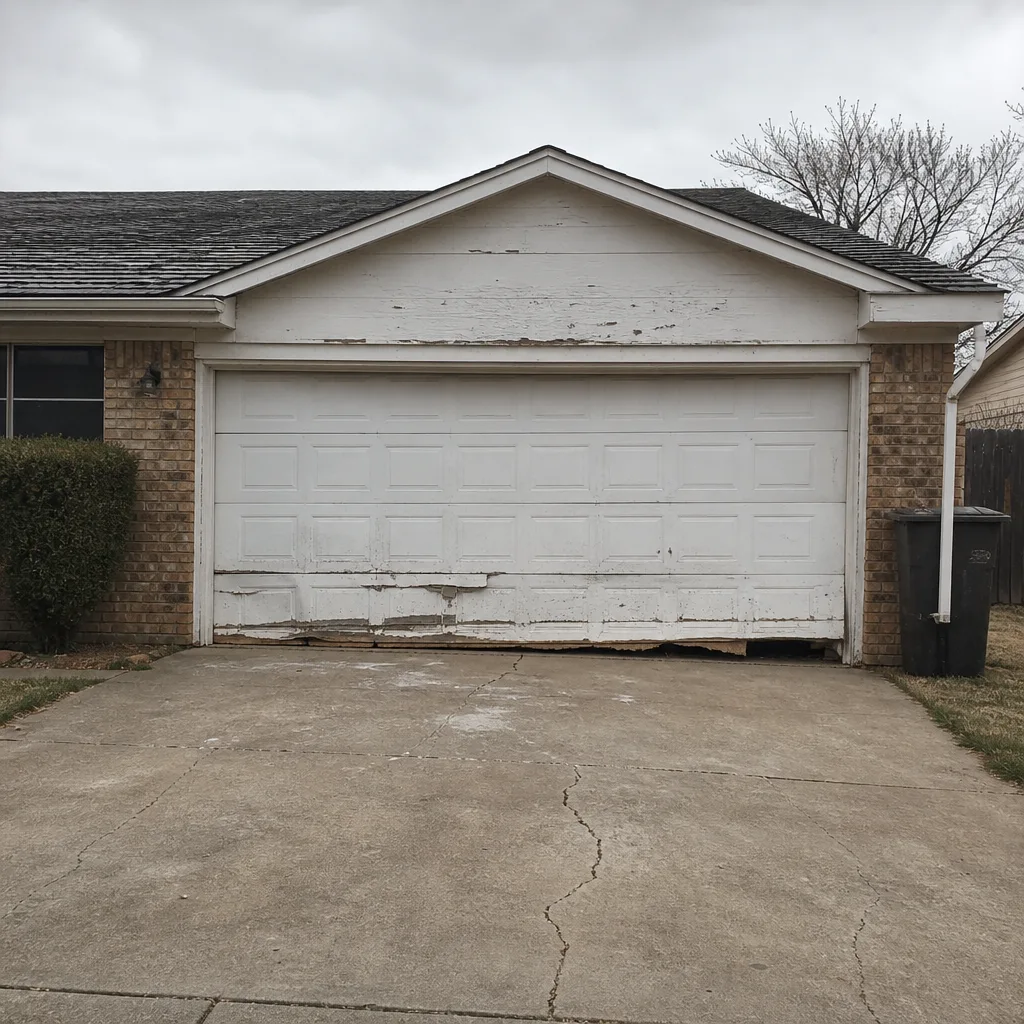
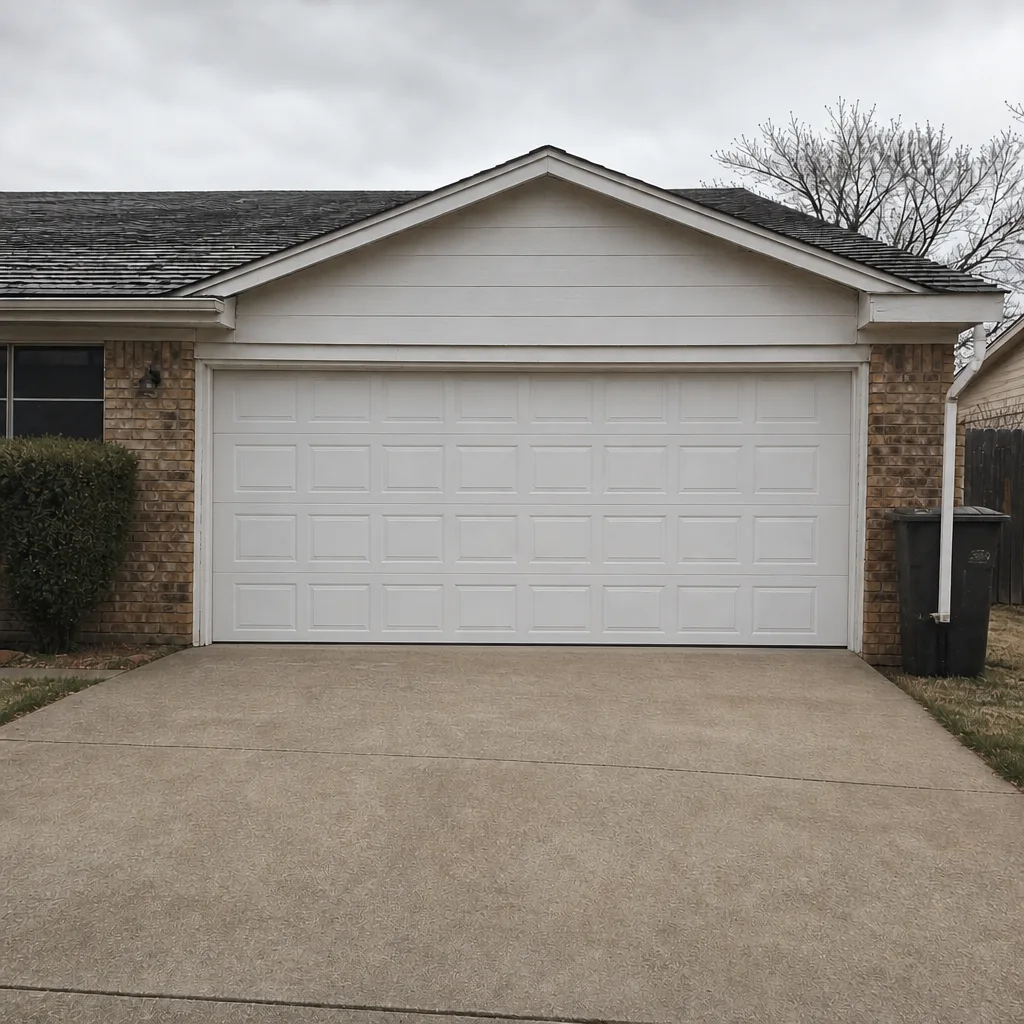
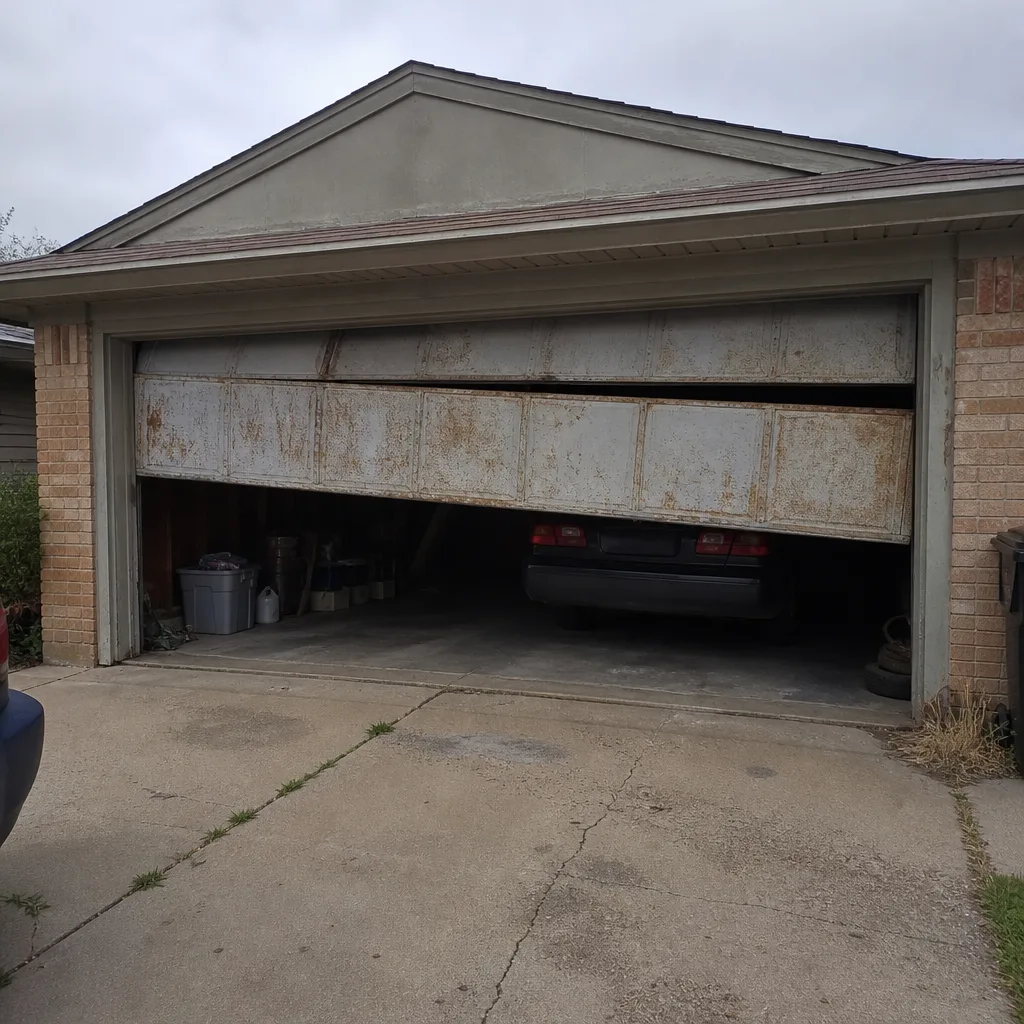
See the difference
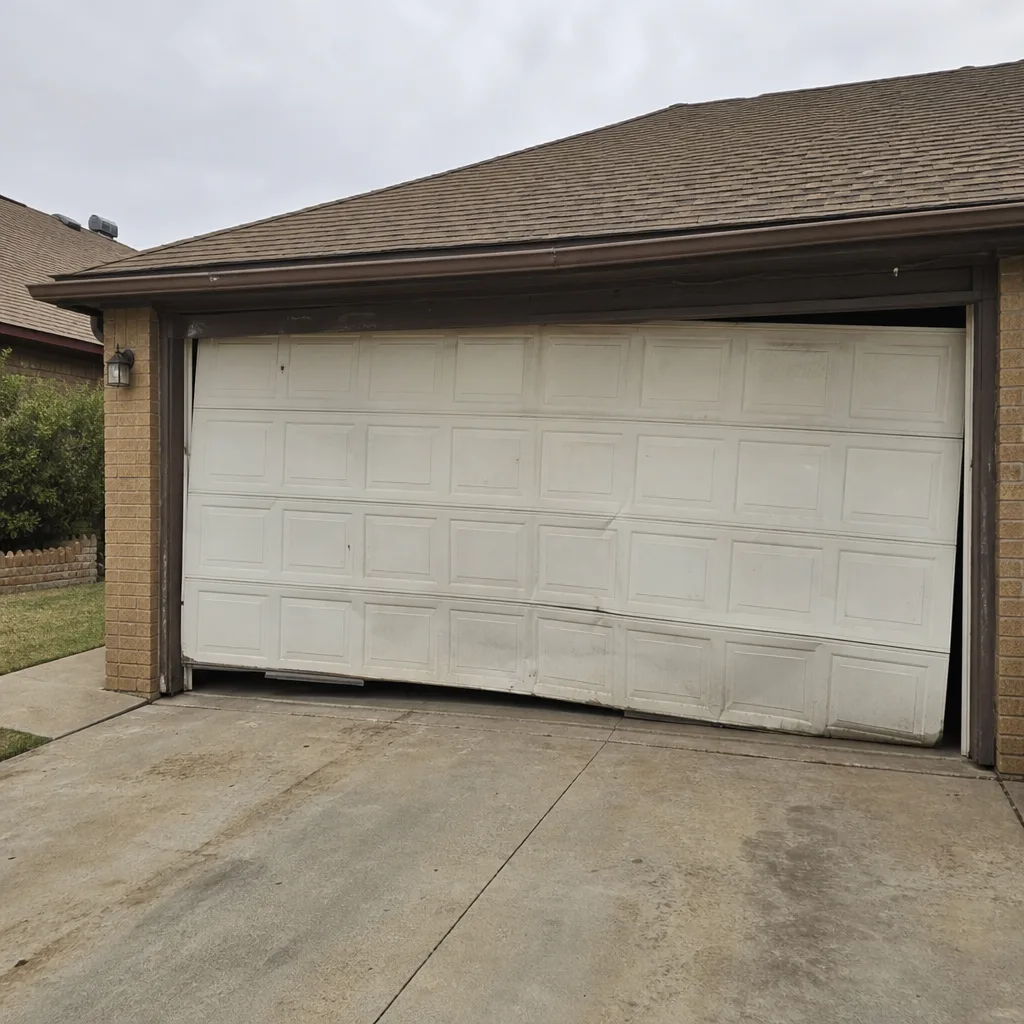 Before
 After
 Before
 After
 Before
 After
When to Call a Professional
Call a professional the moment the work involves torsion springs, cables, the bottom bracket, or a door that’s off its track. Those aren’t judgment calls; they’re cases where a trained technician is genuinely the right answer and DIY is genuinely not. Call if a repair has stalled, if you’re not sure what’s wrong, or if you live in a Lubbock neighborhood where the door has been making a new noise for weeks and you’re tired of guessing. Dunmore Garage Door Repair offers free estimates in Lubbock; call (866) 361-7024. We answer 24/7, with fast dispatch from 7am to 7pm, Sunday through Friday. We quote the price before any work starts, and the written estimate is the price. Same-day service is available for many repairs.
Frequently Asked Questions
No. Torsion spring replacement involves 150 to 200 pounds of stored torque, and the winding process is where injuries happen. Even experienced technicians use winding bars and stand to the side while winding; the job is not safe for a homeowner attempting it for the first time. Call (866) 361-7024 for a free estimate. We quote the price before any work starts.
Cleaning and lubricating moving parts, replacing weatherseal, tightening hinge bolts, clearing and aligning photo-eye sensors, replacing remote batteries, and testing the auto-reverse feature are all safe DIY tasks. Roller and hinge replacement are workable with the door fully open and braced. Spring and cable work never is. Call (866) 361-7024 if you’re not sure which category your repair falls into.
It can. Most manufacturers void component warranties when a door or opener has been worked on by someone other than a qualified technician, and many panel warranties specifically exclude field modifications. Read your warranty terms before you pick up a wrench. If you’re not sure, call (866) 361-7024 and we’ll talk through the repair and what it involves.
No. A door that won’t balance is a door with a spring or tension problem, and that’s the hard line for DIY. Stop using the door, don’t try to force it, and call a professional. We answer 24/7 at (866) 361-7024. Fast dispatch from 7am to 7pm, Sunday through Friday.
Lubbock’s wind-blown dust gets into tracks and turns lubricant into a grinding paste. A new roller installed on a dirty track will fail early. Clean the track thoroughly before installing the new roller, and re-lubricate only with a proper door lubricant. Skipping this step is the number one reason a DIY roller job doesn’t last in Lubbock.
Probably not, and it’s worth knowing why. Heat-related opener failures are often electronic (a logic board, capacitor, or sensor acting up when the garage gets hot), and the diagnosis depends on brand-specific knowledge. A LiftMaster and a Genie don’t fail the same way. Call (866) 361-7024 for a diagnostic visit; the estimate is free and the price is quoted before any work begins.
The Bottom Line
The DIY-versus-professional decision isn’t about whether you’re handy. It’s about which tier the task lives in, and which tier you can honestly say you’re prepared for. Weatherseal, lubrication, sensor alignment, and tightening bolts are fine to handle yourself. Rollers, hinges, and panels are judgement calls that depend on your tools and your braced-door setup. Springs, cables, and off-track doors are never DIY, in Lubbock or anywhere. If you’re not sure where a job lands, call us before you start rather than after. We’ll tell you honestly which tier it’s in. You can reach us at (866) 361-7024, and we quote the price before any work starts.
For homeowners in Lubbock who want a second opinion before they pick up a tool, or who’ve started a repair and want help finishing it safely, free estimates are one call away. We service all eight major garage door and opener brands, so we work on your system regardless of what’s in your garage.
Written by the team at Dunmore Garage Door Repair.