
Last updated November 15, 2026
 Raised-panel steel
 Carriage house
 Modern flush
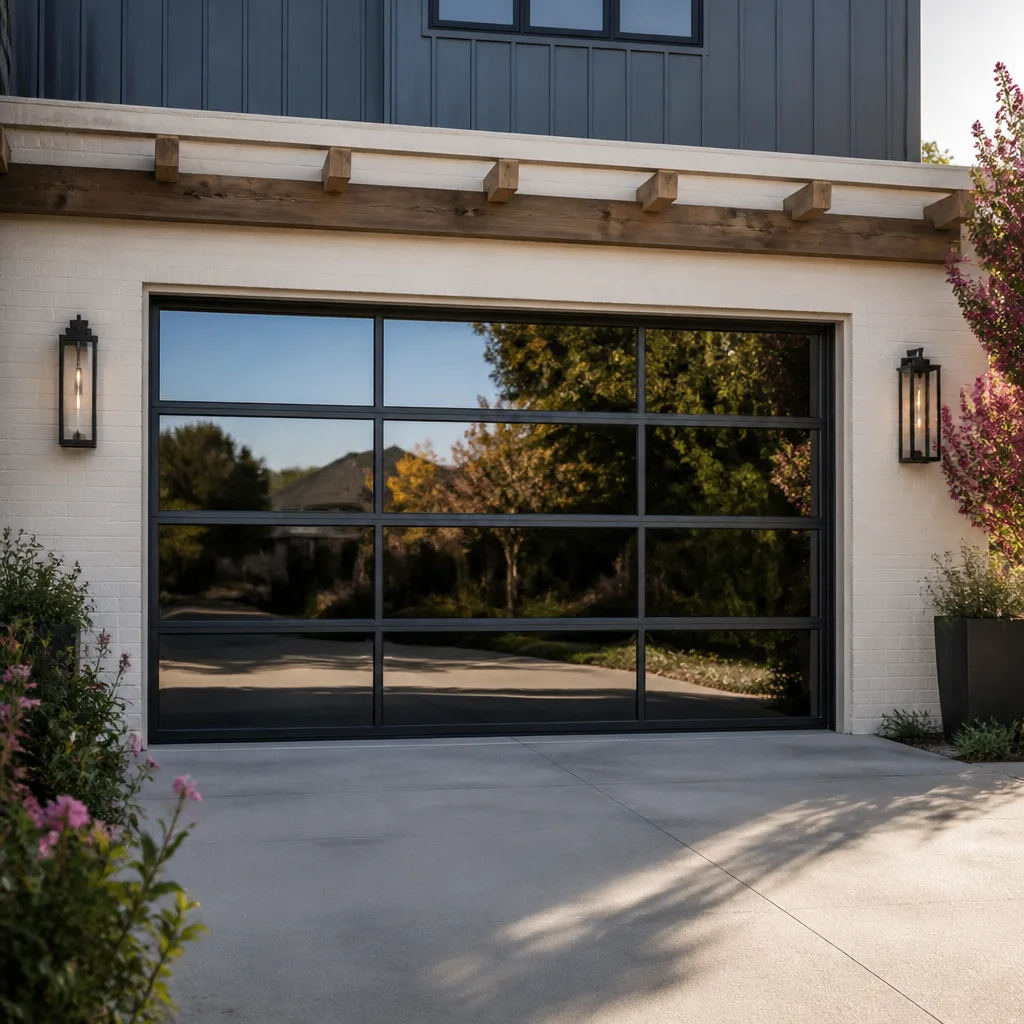 Full-view glass
 LiftMaster openers
 Chamberlain openers
Full 25-point door and opener safety check with every visit - springs, cables, rollers, tracks, and your LiftMaster or Chamberlain opener included
You get a price before we start. It does not change when the pro arrives.
Get your free estimateGarage Door Repair Maintenance Schedule: What to Do and When
Most garage door maintenance guides tell you to lubricate your springs twice a year and call it done. That schedule was written for a climate that isn’t yours. In Lubbock, alkaline caliche dust works its way into rollers and hinges in a way humidity never does, and the standard checklist quietly misses it. A door that gets the “recommended” twice-a-year treatment here can still develop stiff rollers, a dry opener rail, and a bottom seal that’s cracked before summer. What follows is a maintenance schedule built for West Texas conditions, not a manufacturer’s generic list copied onto every page. We’ll cover what to do each season, which products actually hold up in caliche dust, the one monthly check that catches most problems early, and which parts wear out on a schedule no amount of care will change.
Styles & brands we work with
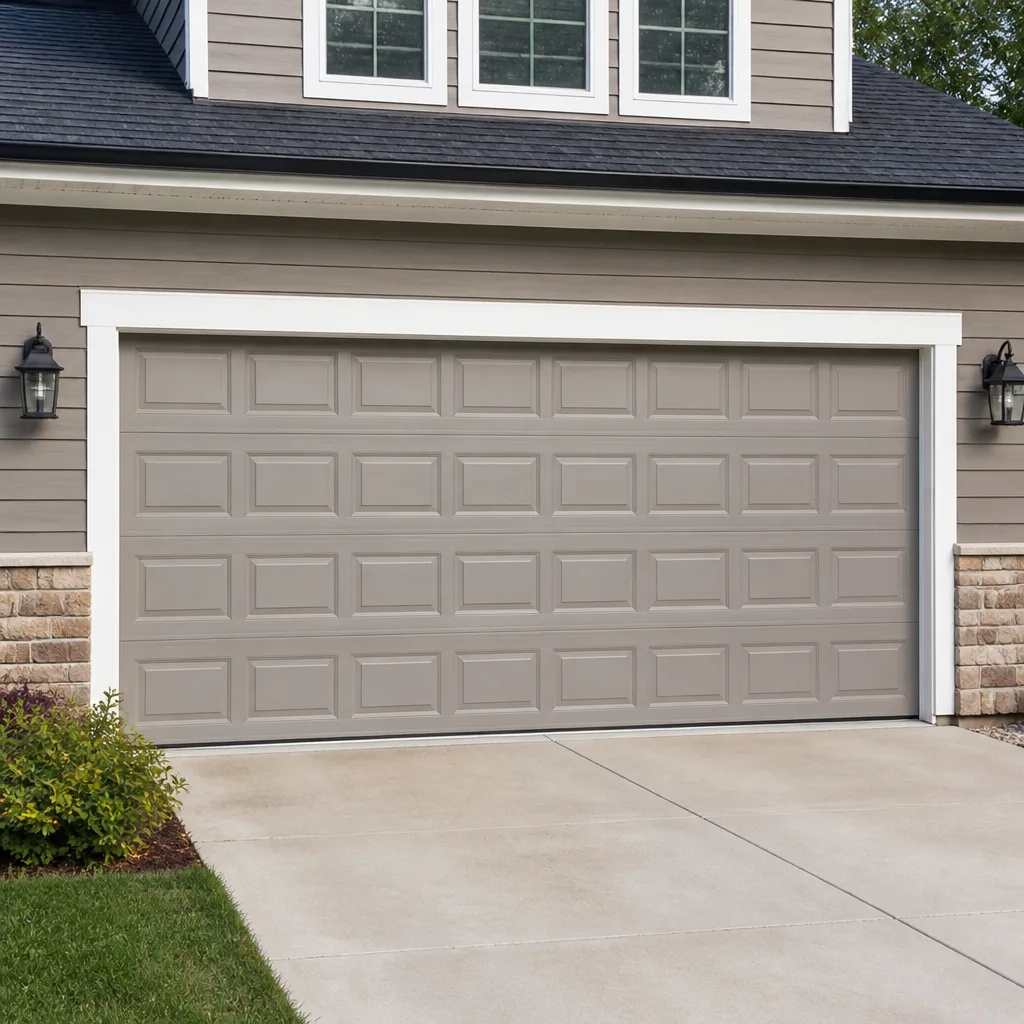
- Raised-panel steel
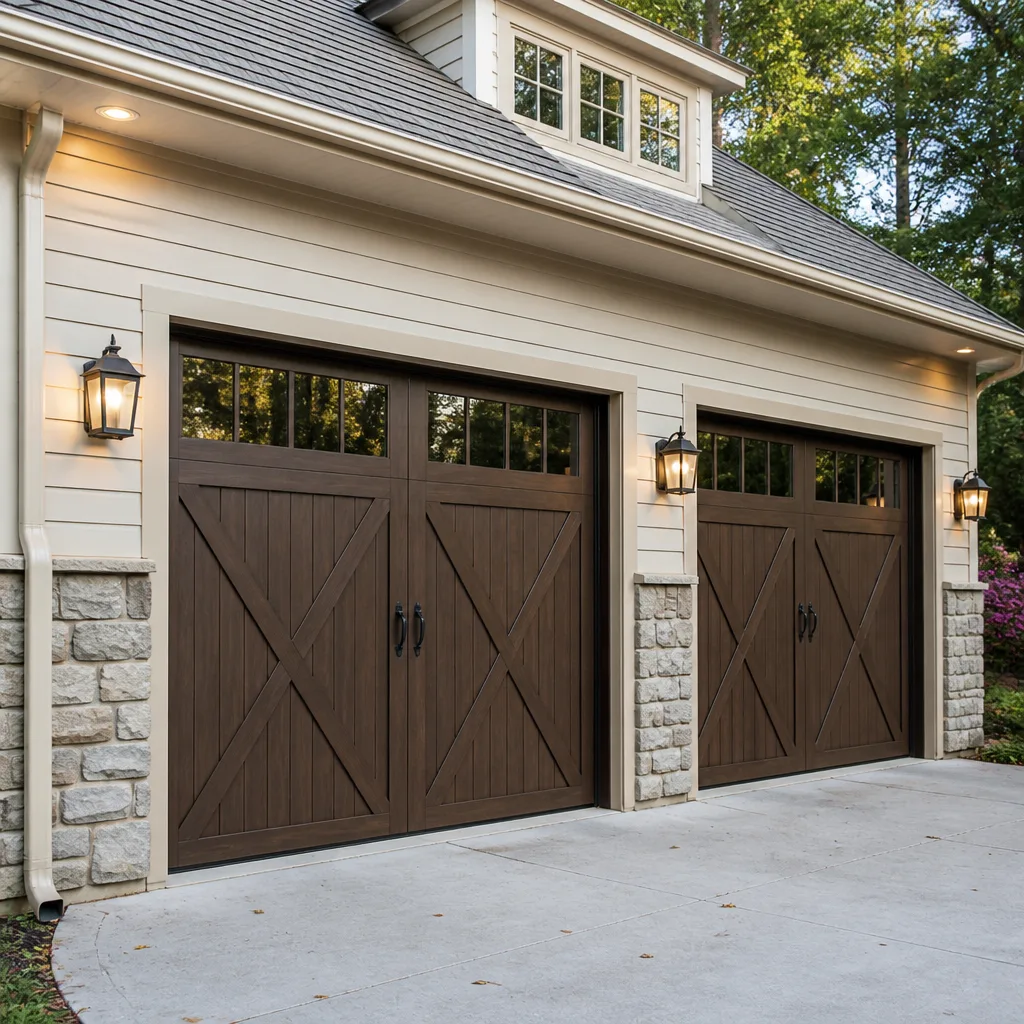
- Carriage house
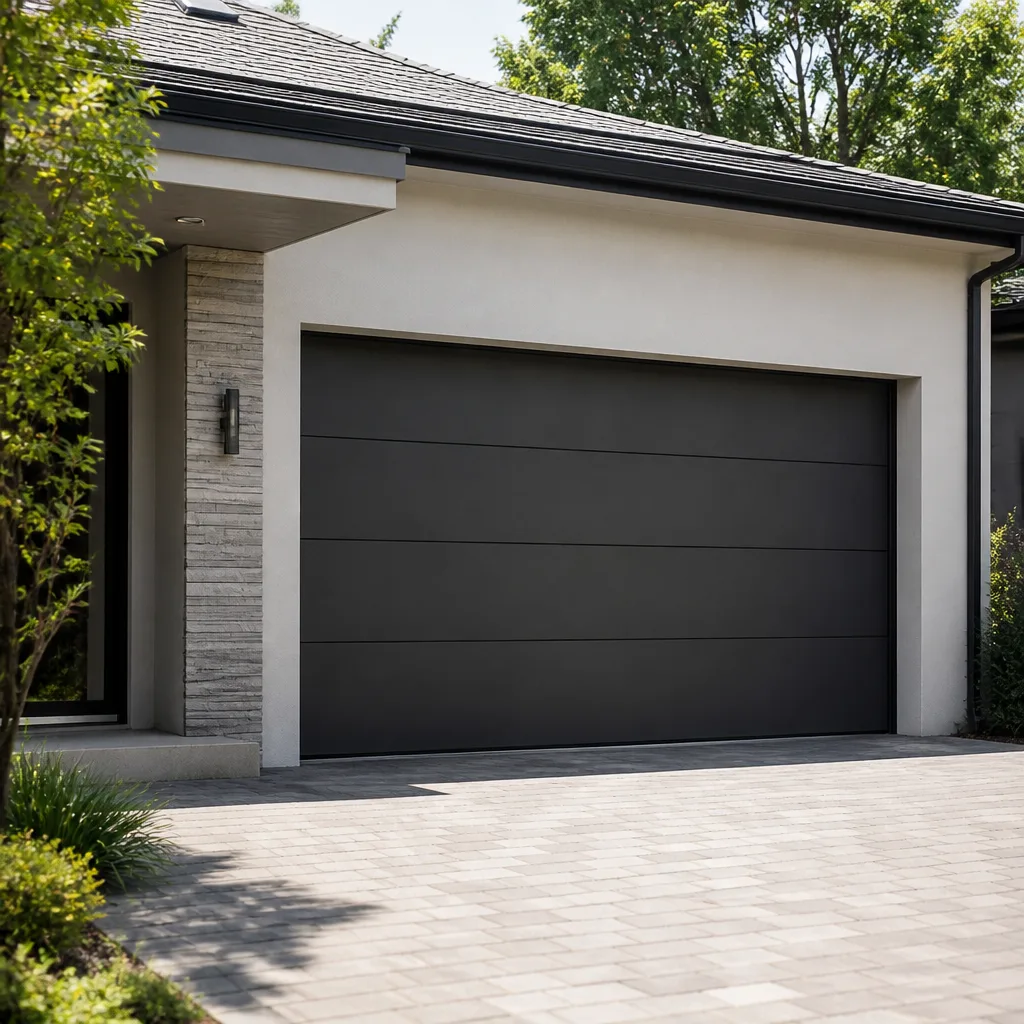
- Modern flush
- Full-view glass
- LiftMaster openers
- Chamberlain openers
Quick Answer
Maintain your garage door with four seasonal touchpoints a year (spring, summer, fall, winter), one 90-second monthly self-check, and a monthly or bi-monthly lubrication routine using a dust-resistant silicone or lithium product rather than a petroleum spray. Professional service is worth scheduling once a year to check springs, cables, and balance. On top of all that, three parts (springs, bottom seals, roller bearings) have fixed service lives regardless of maintenance, so plan for replacement rather than waiting for failure.
Table of Contents
- The Lubbock Seasonal Maintenance Schedule
- Choosing Lubricants That Survive Caliche Dust
- The 90-Second Monthly Self-Check
- Parts With Fixed Service Lives (and When to Plan Ahead)
- How Maintenance Differs by Brand Ecosystem
- What a Professional Annual Service Covers
- Common Mistakes to Avoid
- When to Call a Professional
The Lubbock Seasonal Maintenance Schedule
The idea behind a seasonal schedule isn’t that you should do more tasks – it’s that different parts of the door fail for different reasons at different times of year in Lubbock. Pre-summer prep protects the opener from heat strain. Post-dust-storm checks clear grit before it grinds. Fall and winter checks focus on seals that harden in the cold and the balance of the door itself. Match the work to the season and you stop chasing problems after they’ve started.
Pre-Summer Heat Prep (April-May)
Warm-season prep matters because the opener motor works hardest in the heat. Before the first run of sustained warm weeks in Lubbock:
- Wipe down both opener rails with a dry cloth and re-lubricate the chain or belt with a spray that’s rated for high temperatures
- Check the opener’s force settings against the manufacturer’s manual – heat can shift how much force the door needs to move
- Test the safety reversing sensors at both ends of the opening with a piece of cardboard
- Look at the bottom seal for cracks or hardening before the heat finishes it off
- Inspect roller bearings for smooth spin, since a gritty roller will drag more in warm weather
Post-Dust-Storm Check (Year-Round, As Needed)
Lubbock dust storms deposit fine alkaline grit on the tracks, in the rollers, and around hinges. After any notable blowing-dust event:
- Hose down or wipe the exterior tracks with a damp cloth
- Blow or vacuum grit out of the roller pockets and hinge joints
- Check the bottom seal for grit that’s wedged into the folds
- Re-lubricate the hinges and roller stems with a light, non-tacky product
Fall Seal Inspection (September-October)
Cooler air is when it pays to check every rubber seal on the door: the bottom seal, the side jambs, and the top header seal. Seals that stayed flexible all summer can harden and pull loose in the first cold snap. Look for gaps at the corners and any section that’s pulling away from the track. Replacing a worn bottom seal now is cheaper than discovering a gap when the first blue norther hits.
Winter Cold-Weather Check (December-February)
Lubbock winters are mild, but they’re cold enough for the opener’s motor and the metal door itself to behave differently. During the cold months:
- Test the balance by disconnecting the opener and lifting the door halfway – it should hold position
- Listen for changes in opener sound; a labored motor may mean thicker lubricant in cold weather
- Look at the bottom seal again for cracking at the folds
- Check the weatherstrip at all four sides for hardening
Choosing Lubricants That Survive Caliche Dust
Petroleum-based sprays are the wrong choice in West Texas. They attract and hold dust – caliche grit, in particular – and once grit bonds to a tacky surface it grinds into roller stems and hinge pins. The petroleum product that works fine in a humid climate actually accelerates wear here because it grabs on to every particle that blows past.
What works in Lubbock conditions:
- Silicone-based spray on hinges and roller stems. Dries to a light film and doesn’t hold grit the way petroleum does.
- White lithium grease on the opener chain or belt drive; it’s rated for the temperature swings we get and holds up across a summer-to-winter spread.
- Dry PTFE (Teflon) spray on roller bearings and anywhere grit is a persistent issue – it leaves a dry film that won’t gum up.
- Glycerin or dedicated rubber protectant on the bottom seal and weatherstripping, applied sparingly. Never petroleum jelly (it degrades rubber over time).
- No lubricant at all on the torsion bar and springs – they’re packed with grease internally, and adding anything to the outside just collects dust.
One more product rule for Lubbock: keep a can of dry silicone spray near the door and use it after any big dust event. A light spray after you’ve cleared grit is more effective than a heavy spray that traps the next round.
The 90-Second Monthly Self-Check
This monthly walk-around catches most developing problems before they become repair calls. It’s not a substitute for the seasonal schedule – it’s a fast filter. Do it on the same day each month so it becomes routine.
- Run the door and listen (20 seconds). Any new grinding, scraping, or popping sound means something has changed. Note where the sound comes from – top, bottom, sides, or opener.
- Test the balance (20 seconds). Disconnect the opener (pull the red release handle), lift the door to waist height, and let go. It should hold or drift very slowly. If it drops, springs or cables are losing tension.
- Test the safety reverse (15 seconds). Lay a piece of cardboard in the door’s path and close it. The door should reverse on contact. If it doesn’t, stop and call – the safety system needs attention before the door is used again.
- Look at the rollers (15 seconds). Glance at each roller visible through the track. They should look clean and spin freely. Any wobble, flat spot, or visible grit means service.
- Check the seal and jambs (15 seconds). Run a hand along the bottom seal and side weatherstrip. Cracks, hardening, or gaps at the corners are all on the replacement list.
- Look at the opener light and remotes (5 seconds). Does the light come on when the door opens? Do the remotes work from a normal distance? Failing range often means a battery issue or a sensor obstruction.
If any of the six checks turns up a problem, don’t defer it more than a week. Small issues in garage doors tend to compound – a stiff roller becomes a worn hinge, a worn hinge becomes a sagging panel, a sagging panel becomes a door that won’t close flush.
Parts With Fixed Service Lives (and When to Plan Ahead)
Mechanical maintenance slows wear on most parts, but three components have service lives that are set by cycle count, not by how well you maintain them. Knowing this ahead of time lets you plan replacement on your schedule instead of discovering a failure at the worst possible moment.
Torsion Springs
Springs are rated in cycles – typically somewhere between 10,000 and 20,000 open-close operations, depending on the spring. A door that cycles four times a day will wear through a standard spring in roughly 7 to 14 years, sooner if the door is heavier or the spring is a lower-cycle unit. Maintenance doesn’t extend cycle life; it just keeps the spring from failing suddenly by catching a loose set screw or a bent bar early.
Bottom Seals
The bottom seal is the first part to go in Lubbock because of dust abrasion and UV exposure. A bottom seal usually lasts a handful of years before it needs replacement. When it hardens, cracks, or pulls away from the retainer, it loses its weather seal and starts letting in both dust and cold air. This is one part you can plan ahead on with almost no risk – there’s no emergency replacement scenario for a bottom seal.
Roller Bearings
Standard steel rollers with sealed bearings wear out on a long cycle, but in dusty conditions that cycle shortens. Grit in a bearing turns a smooth steel roller into a grinding wheel that also stresses the hinge. Nylon rollers last longer in dust-country conditions because they don’t grind the same way; it’s a change most Lubbock homeowners eventually make.
What Doesn’t Wear On a Schedule
Panels, tracks, and the door’s structural frame don’t have fixed service lives – they last until something dents, bends, or rusts them. If the panels are still straight and the tracks aren’t bent, there’s no reason to replace the door even if the springs have been replaced twice and the rollers three times.
How Maintenance Differs by Brand Ecosystem
Owners often apply generic advice to their specific hardware and end up either over-maintaining or missing a check that only matters for their unit. Different brands have different quirks worth knowing about. A few worth calling out:
LiftMaster and Chamberlain
These two brands share engineering lineage – many parts and diagnostics are interchangeable. Their openers have safety-reversing systems with two sensors that both need regular line-of-sight testing, and their belt or chain drive benefits from an annual tension check. If you have a wall-mounted MyQ-style control panel, check the app occasionally to confirm the door’s travel limits haven’t drifted.
Genie
Genie openers have their own logic-board behavior. The safety-reversing test that works for LiftMaster won’t confirm force settings the same way on a Genie – check the manual for the specific force-test procedure. Genie belt drives tend to be quieter but need their tension re-checked more often in Lubbock’s temperature swings.
Amarr and Wayne Dalton
Panel construction matters for door maintenance as much as opener maintenance does. Amarr steel doors typically use a bottom seal retainer that’s easier to slide a new seal into; Wayne Dalton’s panel-style doors sometimes use a horizontal hinge configuration that needs a slightly different hinge-lubrication approach. Knowing what’s on your door matters for buying the right replacement parts.
Craftsman and Raynor
Craftsman openers (sold through Sears for decades) use parts that are increasingly sourced from broader LiftMaster-compatible supply lines, which is good news for keeping an older unit running. Raynor doors are sturdy but their torsion systems are specced per door weight; if you replace a Raynor spring, use the door-specific cycle rating rather than a generic substitute.
What a Professional Annual Service Covers
A trained technician working an annual service is looking for the things your monthly self-check can’t see – the state of the springs inside the torsion assembly, cable wear at the drums, the balance of the door under load, and the opener’s actual force and travel settings. In Lubbock conditions, we’ve seen dust accelerate wear on rollers and hinges enough that a professional once-over catches small issues before they turn into service calls.
A thorough annual service should include:
- Spring, cable, and drum inspection (without disassembly)
- Roller and hinge evaluation – sometimes replaced, sometimes just serviced
- Opener force and travel-limit adjustment to the manufacturer’s spec
- Safety-reversing system test with the actual objects that trip it
- Balance check with the door disconnected from the opener
- Full lubrication of hinges, roller stems, and the opener drive
- A written note on which parts are close to end-of-life
What it shouldn’t include is an upsell to a new door when the current one is fine. A proper annual service tells you what’s wearing and what’s not, with no pressure to replace anything that’s still got life in it. We work on all eight major brands – LiftMaster, Chamberlain, Genie, Clopay, Amarr, Wayne Dalton, Craftsman, and Raynor – precisely because the maintenance advice has to match the system you own, not a preferred product line.
Common Mistakes to Avoid
- Using petroleum-based spray on hinges and rollers. It grabs caliche dust the way a magnet grabs iron filings. Silicone or dry PTFE does the job without gumming up.
- Lubricating the torsion spring. The spring is packed with grease internally. Anything you apply to the outside just collects dirt and hides the visual signs of fatigue.
- Skipping the monthly safety-reverse test. The most common reason a garage door fails its own safety check is that nobody’s confirmed it in months. It takes 15 seconds.
- Ignoring the bottom seal until it falls off. In Lubbock dust, a hardened bottom seal starts letting grit into the tracks, which accelerates roller wear.
- Using WD-40 as a long-term solution. It’s a water displacer, not a lubricant. It’ll quiet a squeak for a day, then attract dust like a sponge.
- Adjusting the opener’s force setting to compensate for a stiff door. If the door needs more force to move, the door is the problem, not the opener. Cranking the force up is how you burn out the opener motor.
- Buying generic replacement springs. Torsion springs are matched to your door’s weight and cycle rating. A one-size spring from a big-box store will fail early and can cause unsafe operation.
When to Call a Professional
Some jobs are homeowner maintenance; some are professional-only. Call us when:
- A spring is broken, or the door drops fast when you release the opener – springs and cables under tension are dangerous and should only be handled by trained technicians
- The door reverses partway up, or reverses without touching anything
- The opener runs but the door doesn’t move – a stripped gear, sheared drive pin, or logic-board fault
- Any cable looks frayed, kinked, or has come off its drum
- The door is visibly off-track, sagging, or binding
- The safety-reversing system doesn’t trip on contact
Dunmore Garage Door Repair offers free estimates in Lubbock – call (866) 361-7024. We answer 24/7. Fast dispatch from 7am to 7pm, Sunday through Friday. For an exact quote on any repair, we come out, diagnose the problem, and quote the price before we start.
Frequently Asked Questions
Twice a year for hinges, roller stems, and the opener drive – once in late April and once in October – with an extra light application after any dust storm. Petroleum sprays attract caliche grit, so use silicone or dry PTFE instead. If your door faces the street side and catches windblown dust, you’ll want to re-lubricate more often. Call (866) 361-7024 – estimates are free if you’d rather have a technician look it over.
Yes, mainly through abrasion. Caliche dust deposits in roller bearings, hinge joints, and track grooves and grinds those surfaces over time. Wiping down tracks and blowing out rollers after any major dust event, plus using dry lubricants, prevents most of the wear. If rollers are already gritty or grinding, call us – replacing a set of rollers is cheaper than letting the wear transfer to hinges.
Torsion springs are rated in cycles, typically 10,000 to 20,000 open-close operations, and typical residential use burns through them in roughly 7 to 14 years. Maintenance doesn’t extend cycle life, but it does catch loose set screws and fatigue signs early. When a spring snaps, stop using the door and call (866) 361-7024 for a same-day repair and a free estimate.
You can and should do the monthly self-check, the seasonal lubrication, and the visual inspections. You should not touch the torsion spring, lift cables, or any component under tension – those are genuinely dangerous and should be handled by a trained technician. For annual professional service or any spring/cable work, call us at (866) 361-7024 for a free estimate.
Spring, before the summer heat load kicks in, is ideal because the technician can catch dust-season wear and confirm the opener force settings before warm-weather use. That said, any month works; the point is to get one professional inspection per year. Call (866) 361-7024 to schedule a free estimate, and we’ll recommend timing based on your door’s condition.
Yes. LiftMaster and Chamberlain share engineering lineage, so many parts and diagnostics are interchangeable. Genie has its own logic-board behavior and force-test procedure, so the manufacturer’s manual matters for the annual force-adjustment check. We service LiftMaster, Chamberlain, Genie, Clopay, Amarr, Wayne Dalton, Craftsman, and Raynor – and the maintenance we recommend follows the brand you actually own, not a preferred product line.
The Bottom Line
The right maintenance schedule for a Lubbock garage door is four seasonal touchpoints a year, a monthly 90-second self-check, and an annual professional inspection. Use silicone or dry PTFE lubricants instead of petroleum sprays, because caliche dust turns a tacky surface into an abrasive one. Plan ahead for the three parts with fixed service lives – torsion springs, bottom seals, and roller bearings – so replacement happens on your schedule, not in the middle of a hot afternoon. Do the routine work yourself, and call a professional for anything involving springs, cables, or the safety-reversing system. For a free estimate on any maintenance, repair, or opener service, call (866) 361-7024. We answer 24/7. Fast dispatch from 7am to 7pm, Sunday through Friday. For ongoing repair needs beyond maintenance, see our garage door repair service, and for opener-specific issues, our garage door opener repair line. If you’re in the surrounding area, we also cover Lubbock and nearby homes. Dunmore Garage Door Repair is your source for brand-matched service across all eight major systems.
Written by the team at Dunmore Garage Door Repair.
See the difference
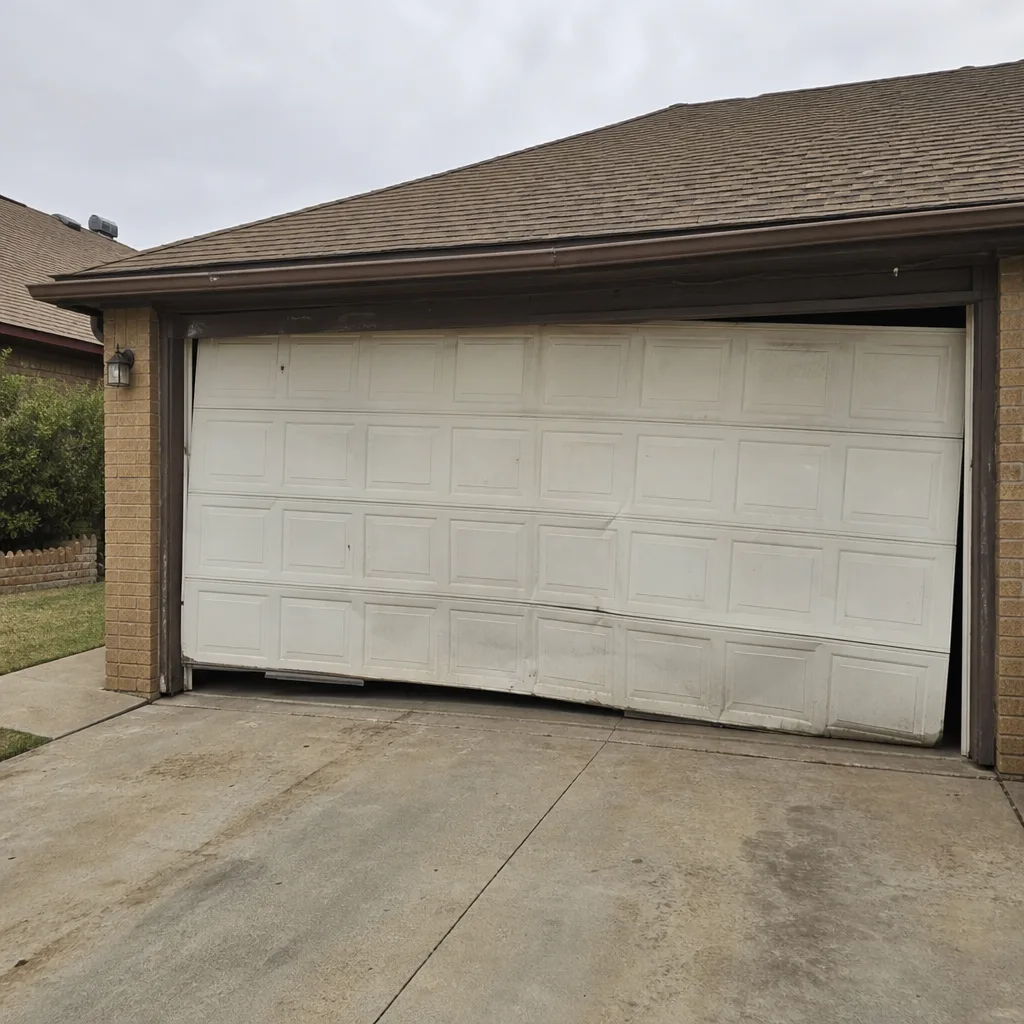 Before
 After
 Before
 After
 Before
 After