
Last updated November 15, 2026
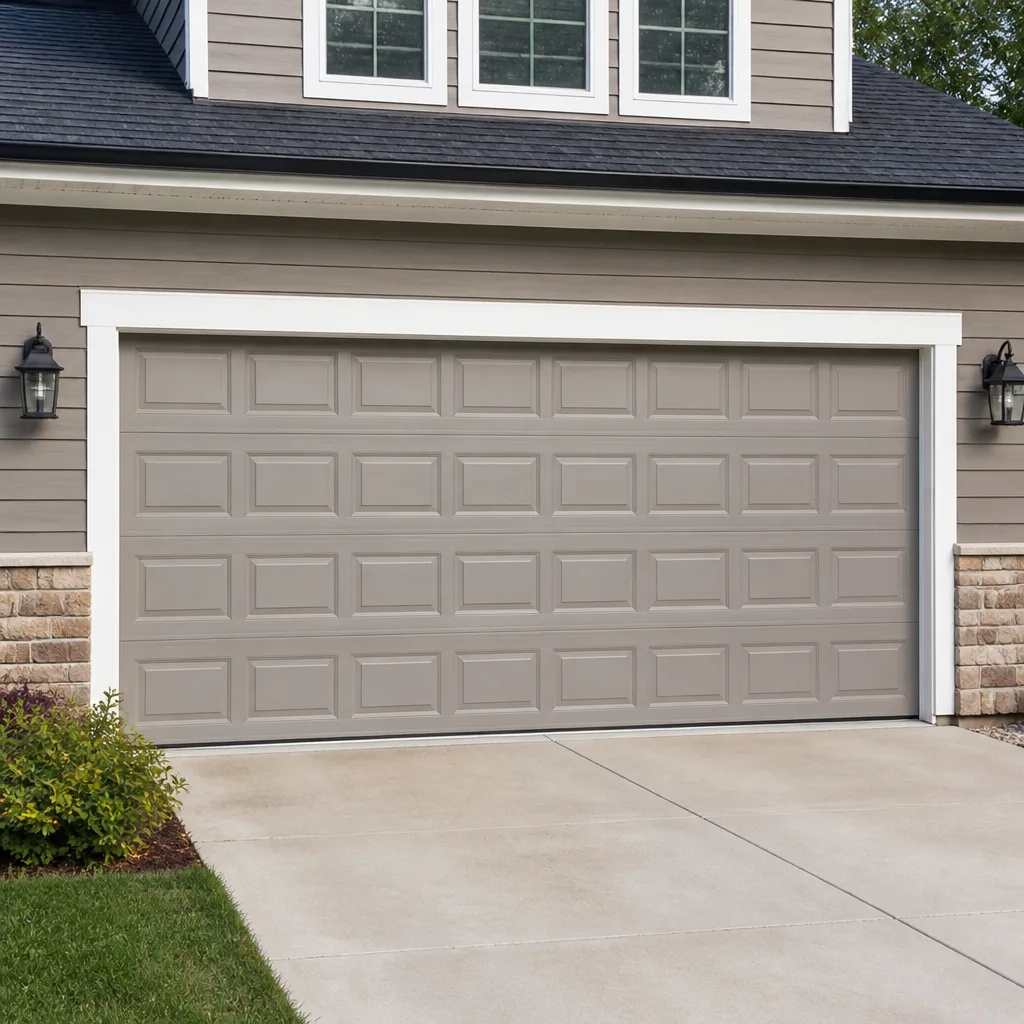 Raised-panel steel
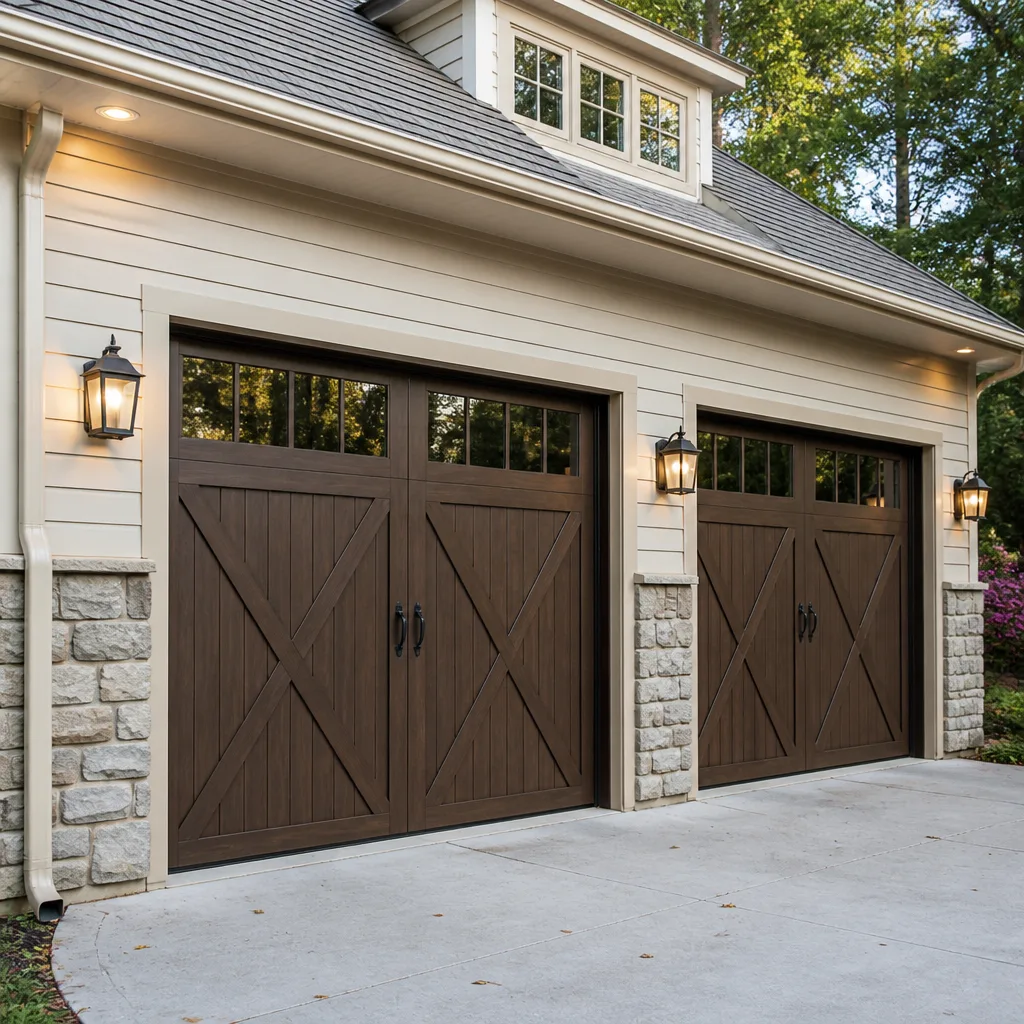 Carriage house
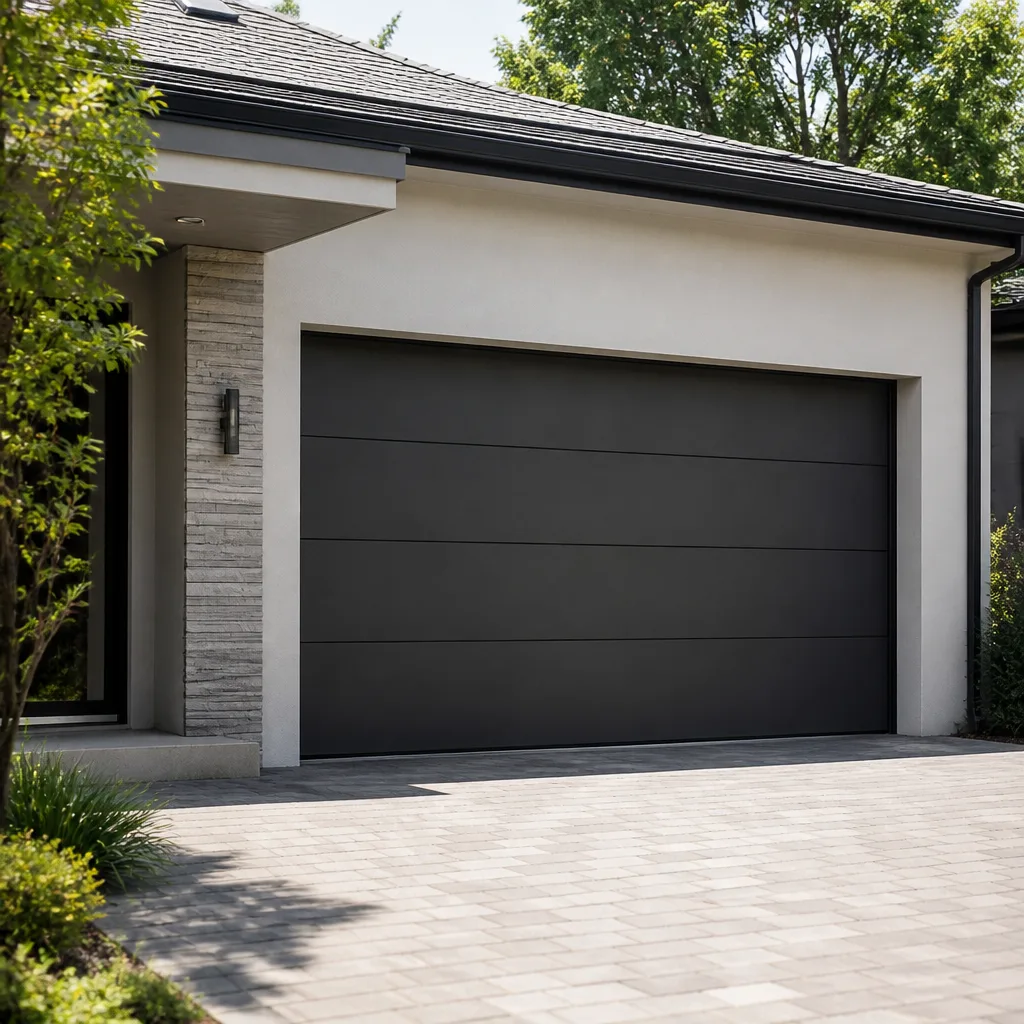 Modern flush
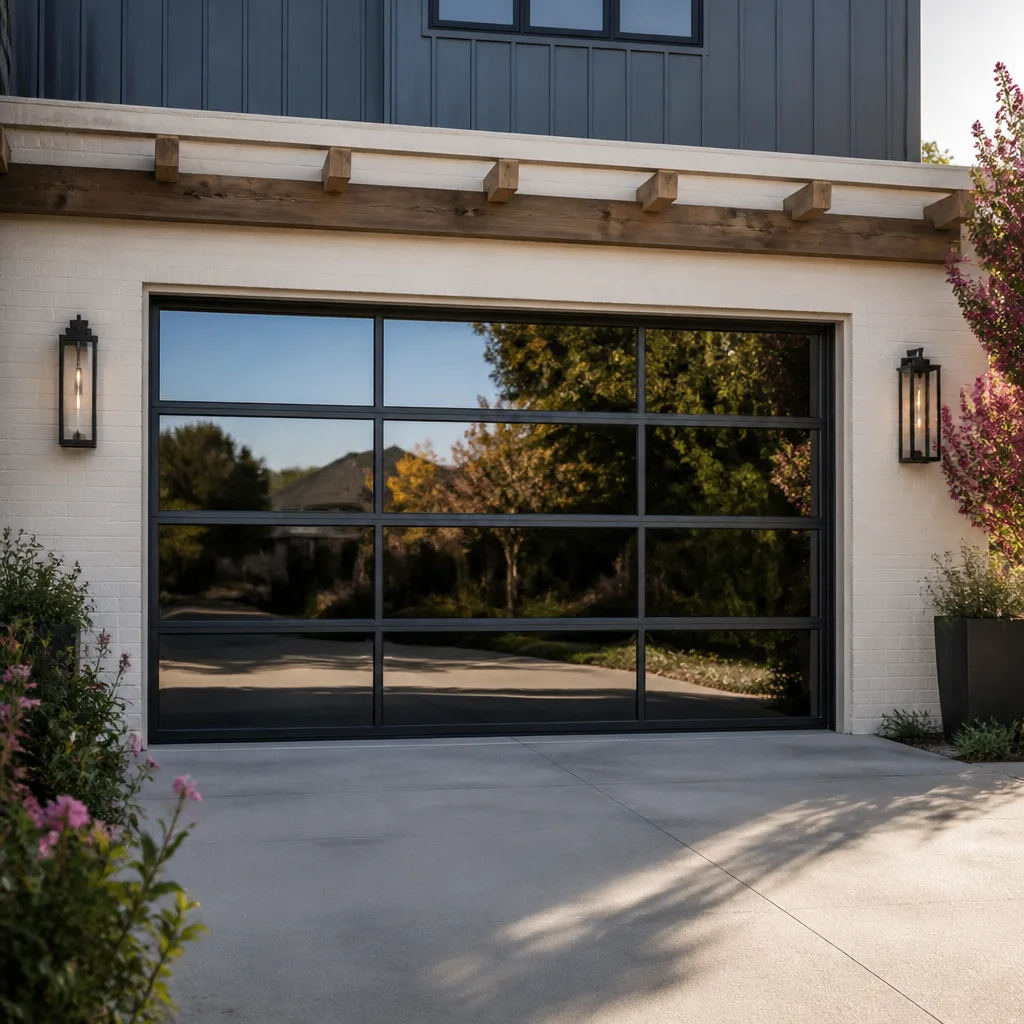 Full-view glass
 LiftMaster openers
 Chamberlain openers
Full 25-point door and opener safety check with every visit - springs, cables, rollers, tracks, and your LiftMaster or Chamberlain opener included
You get a price before we start. It does not change when the pro arrives.
Get your free estimateGarage Door Repair Troubleshooting in Lubbock: Common Problems and How to Fix Them
The phone call that gets us out the door fastest usually starts with a grinding noise the homeowner ignored for three weeks. That’s the counterintuitive part about garage doors: almost nothing fails without warning. The springs announce themselves. The opener stutters before it quits. The tracks tell you they’re out of line long before the door refuses to close. In Lubbock, dust and wind speed up the wear most homeowners expect, and dry West Texas air adds a few problems you won’t read about in a generic troubleshooting guide. This guide walks you through a symptom-first way to figure out what’s actually wrong, which fixes are safe to handle yourself, and which ones need a technician before someone gets hurt.
Quick Answer
Most garage door problems in Lubbock trace back to one of five categories: springs and cables, track and roller wear, opener electronics, sensor misalignment, or a door that’s simply out of balance. The safe home check is a manual-release test: pull the release cord and lift the door by hand. If it moves easily and stays put halfway up, the door is fine and the opener is the problem. If it’s heavy, jerky, or won’t stay up, the trouble is in the door’s mechanical parts – and once you get to springs, cables, or torsion hardware, that’s a technician’s job, full stop.
Styles & brands we work with
- Raised-panel steel
- Carriage house
- Modern flush
- Full-view glass
- LiftMaster openers
- Chamberlain openers
Table of Contents
- The Five Categories Every Garage Door Problem Falls Into
- Why West Texas Wind and Dust Cause Problems Other Climates Don’t
- The Manual-Release Test That Cuts Diagnosis Time in Half
- Opener Diagnosis: Logic Board, Sensor, or Remote?
- Springs and Cables: The One Category You Should Never DIY
- Track, Roller, and Panel Problems You Can Often Handle
- What the Noise Is Telling You
- What Garage Door Repair Typically Costs in Lubbock
The Five Categories Every Garage Door Problem Falls Into
When we diagnose a door, we aren’t hunting for a specific broken part yet. We’re sorting the symptom into a category, because the category tells you both what’s wrong and who should fix it. That sorting step is the whole game.
- Spring and cable failures. The door feels impossibly heavy, won’t lift, or makes a loud snap followed by silence. Springs do the heavy lifting on any standard door, and a broken torsion spring means the door is effectively dead weight. Not a DIY category.
- Track and roller wear. The door scrapes, binds, or drifts sideways as it rises. Rollers wear out, tracks bend, and dust accelerates both. Often fixable, sometimes a technician job depending on severity.
- Opener electronics. The door works fine by hand but the opener won’t run it, runs it partway, or reverses for no visible reason. This is where garage door opener repair becomes its own diagnosis, separate from the door itself.
- Sensor problems. The door starts down, stops, and goes back up. Nearly always the safety sensors at the bottom of the track, either misaligned or dirty.
- Balance and alignment issues. One side of the door rises before the other, or the door hangs crooked. That’s a cable tension or track issue and needs a professional look.
Sort your symptom into one of those five and you already know roughly a third of what a technician knows when they pull into a driveway in Lubbock.
Why West Texas Wind and Dust Cause Problems Other Climates Don’t
Lubbock’s climate is hard on garage doors in ways homeowners moving here from wetter, calmer places don’t expect. The two biggest culprits are wind-driven dust and wide temperature swings. Together they shorten the life of moving parts and create a few symptoms that are genuinely local.
- Dust in the tracks. Fine caliche dust blows in and settles in the track channels, where it mixes with lubricant and turns into an abrasive paste. Rollers grind against it every time the door moves. A door that lived quietly for eight years in another city may start squealing in Lubbock in year three.
- Dust on the safety sensors. Those little lenses at the base of the track collect dust fast during windy stretches, and a dust-filmed sensor behaves exactly like a broken one. The door reverses for no reason, and homeowners assume the opener has failed.
- Temperature swings and metal. The gap between a cool morning and a hot afternoon is wide here, and steel tracks and door panels expand and contract with it. Over time, tracks drift slightly out of alignment, panels loosen at their hinges, and the door starts to bind at a particular hour of the day. If a door only misbehaves in the afternoon, thermal movement is often why.
- Sun exposure on the door face. A south- or west-facing door takes full afternoon sun, and the paint and finish on that face age faster than the shaded side. It’s a cosmetic issue that becomes a structural one when moisture gets into a cracked finish.
None of these are exotic problems. They’re just the ordinary problems of this particular place, and they’re the reason a garage door repair visit in Lubbock often starts with a cleaning and lubrication before it starts with parts.
The Manual-Release Test That Cuts Diagnosis Time in Half
This is the single most useful thing a homeowner can do before calling anyone. The manual-release test tells you whether the problem lives in the door or in the opener, and that one answer reshapes the entire service call.
- Close the door and disconnect the opener. With the door fully down, pull the release cord hanging from the opener’s rail. You’ll hear it click and the door will be free of the opener’s drive.
- Lift the door by hand, about halfway. Use the bottom handle or a firm grip on the panel. A healthy, balanced door should lift with one hand and feel light, because the springs are doing most of the work.
- Let go at the halfway point. A balanced door holds itself there. It may drift slowly, but it should not come crashing down or shoot up.
- Watch how it moves. If it rises smoothly and stays put, the door and springs are fine – your issue is the opener, and the section below will help you narrow it. If it’s heavy, buckles, or slams down, the problem is in the door.
- Reconnect when finished. Push the door back to the closed position and pull the release cord again so the trolley re-engages the opener.
One caution: if the door won’t stay up at all, don’t prop it and don’t walk under it. A door that falls under its own weight is a door with failed springs, and that’s the moment to stop testing and call. If the test sends you looking for a repair company in Lubbock, a technician can work from your description and bring the right parts.
What the manual-release test tells you
- Door feels light, holds at halfway, opener won’t run it: opener problem. Read on.
- Door feels heavy and slams down: spring problem. Stop here and call a professional.
- Door binds or scrapes on one side: track or roller problem.
- Door sags at one corner: cable tension issue, possibly a broken cable. Call a professional.
Opener Diagnosis: Logic Board, Sensor, or Remote?
When the manual-release test clears the door, the problem is in the opener, and there are three usual suspects. The trick is that they present differently, so you can often narrow it down without buying a single part.
Start with the sensors
If the door goes down a foot or two and reverses, look at the two safety sensors mounted at the bottom of the track. Clean the lenses with a soft cloth. Check that both have a steady indicator light (most brands use a solid light for aligned and a blinking light for blocked or misaligned). If the receiving sensor’s light is off, check its wire connection and nudge it until the light steadies. Sensor problems account for a large share of “my door won’t close” calls in our experience, and they’re free to check.
Then test the wall button and the remote
Press the wall-mounted button. If the door runs from the wall button but not the remote, the remote or its battery is the culprit, not the opener. Change the battery and re-test. If two remotes both fail while the wall button works, a re-programming step usually solves it. If the remote works but the wall button doesn’t, you have a wiring issue at the button, which is a small fix.
Then suspect the logic board
If the opener doesn’t respond to anything – no lights, no motor sound, no click – the logic board or the power supply is the likely cause. Check that the outlet has power and that the opener is receiving it. Beyond that, opener electronics are manufacturer-specific, and the diagnostics differ across brands. A Craftsman from the mid-2000s and a current Chamberlain don’t share circuit layouts, and a technician certified to service all major brands can open the case and diagnose the board rather than guessing. That brand range includes LiftMaster, Chamberlain, Genie, Clopay, Amarr, Wayne Dalton, Craftsman, and Raynor, so you’re covered whether your opener is a decade old or a current model. If your opener is paired with a Clopay or Amarr door, the diagnosis covers both from one visit.
Springs and Cables: The One Category You Should Never DIY
This section doesn’t explain how to replace a spring, because that procedure carries serious injury risk and we won’t hand it to you. Torsion springs – the ones mounted on a shaft above the door – store an enormous amount of energy. If a spring is under tension and any part of your body is in the wrong place, the failure can maim. Cables under tension carry the same risk. This is the bright line in garage door repair, and it’s the one place where we’ll always recommend a trained professional.
What you can do is recognize the signs and describe them accurately when you call.
Signs of a spring or cable failure
- A loud bang from the garage, like a gunshot, followed by a door that won’t lift.
- A visible gap in the spring coil above the door – the spring is broken.
- A cable that’s come off its drum at the side of the door, or a loose, slack cable.
- A door that tilts to one side as it rises, which points to a stretched or broken cable on one side.
- A heavy door confirmed by the manual-release test.
If you see any of those, don’t force the door with the opener. That’s how the opener gets damaged on top of the spring problem, turning a straightforward repair into two. When you call, tell the technician what the manual-release test showed and whether you heard a snap. That’s often enough to know whether the door needs spring service on arrival. Springs are the single most common reason for Dunmore Garage Door Repair callouts, and a good diagnosis over the phone saves a wasted visit.
Track, Roller, and Panel Problems You Can Often Handle
Some garage door work genuinely is within reach of a careful homeowner. Track and roller fixes are the main ones, provided no springs or cables are involved. Here are the safe DIY repairs – and the ones that aren’t.
Safe enough to try
- Cleaning the tracks. Wipe the track channels with a dry cloth to remove grit, then apply a small amount of a garage-door-appropriate lubricant to the door’s moving metal parts. Don’t grease the track like a machine rail – it attracts dust, which is the opposite of what you want in a dusty Lubbock yard.
- Replacing rollers. Nylon rollers on a standard door are straightforward to swap, provided the door is fully closed and never under tension when the roller is pulled.
- Tightening loose hinges and hardware. Hinges and brackets loosen with vibration, and a loose hinge is often the source of a noise you blamed on something else.
- Fixing a bent track. A track that’s been nudged out of line by a car bumper can often be straightened with a careful, gentle push once you’ve confirmed it isn’t holding spring or cable tension.
Not for DIY
- Any work involving cables or springs. Non-negotiable. Cables and springs are stored energy, and one slip is a trip to a hospital.
- Realigning a track that holds a cable drum. That’s tension hardware.
- Replacing a damaged panel on a door that still has an intact spring. Panel swaps look simple until the door’s balance shifts and the opener’s limit settings need resetting.
If a roller swap isn’t obvious after thirty seconds of looking, that’s your cue to stop. A door that’s out of balance after a DIY fix can fail the safety reverse test without you noticing.
What the Noise Is Telling You
Garage doors make noise. Most of it is wear, and the type of noise points directly at the part.
- Squeal or high-pitched screech: usually dry rollers or a dry torsion shaft, and often dry hinges. Lubrication, not replacement.
- Grinding or scraping: metal on metal. Check the tracks for grit or a bent section, and check whether the door is binding on one side as it rises.
- Rattle or clatter: loose hinges, brackets, or opener rail bolts.
- Thumping or knocking: the opener itself, or the door hitting a high spot in the track. Check where the noise happens in the travel, not just what it sounds like.
- Loud creak from the top of the door: dry torsion springs, which is a lubrication job rather than a replacement.
In Lubbock, we hear more grinding than squealing, because dust gets into the tracks and rollers before the metal ever has a chance to squeak. Clean the tracks and then listen again. If the noise doesn’t change, it’s worth a look from a technician rather than repeated guesswork.
What Garage Door Repair Typically Costs in Lubbock
Garage door repair in Lubbock typically runs into the low hundreds for common fixes, and a spring job is usually the largest single item. These figures are typical estimates to help you plan; the written estimate sets the final price, and it’s quoted and agreed before any work starts.
| Repair | Typical estimated range |
|---|---|
| Safety sensor cleaning or alignment | $80-$150 |
| Roller replacement (set) | $100-$200 |
| Track adjustment or repair | $100-$200 |
| Remote battery or programming | $60-$120 |
| Opener logic board or motor repair | $200-$450 |
| Single torsion spring replacement | $180-$340 |
| Torsion spring pair (matched set) | $360-$680 |
Two things worth knowing about spring pricing. First, a spring repair price for one spring is per spring. Most doors have two torsion springs, and because they wear at the same rate, they’re usually replaced as a matched pair, which costs about twice the single-spring figure. Second, a homeowner should expect the written quote before any work begins so the bill matches what was agreed. If the diagnosis points to an opener, that’s often a smaller repair than a full door problem, and it’s worth getting a proper look before assuming the opener needs replacement. We work on your brand, not just one brand – LiftMaster to Genie to Wayne Dalton, the opener repair is the same service line.
Common Mistakes to Avoid
- Forcing a door with a broken spring. Running the opener on a heavy door adds motor and board damage to the spring bill. If the manual-release test says the door is heavy, stop running it.
- Greasing the tracks. Track grease catches Lubbock’s caliche dust and turns into a paste that wears rollers faster. Lubricate the moving metal parts, not the rail channel.
- Blaming the opener before testing the door. Half the “opener failures” we see are a door binding in the track or a spring beginning to fail. Do the manual-release test first and save yourself the wrong diagnosis.
- Ignoring a dust-filmed sensor. A dirty sensor and a failed one look identical. Clean the lenses before you replace anything.
- Using a handyman for opener electronics. Logic boards and drive systems are brand-specific, and a generic handyman can misdiagnose a smart opener’s board when the real issue is a wiring fault. A dedicated opener repair service exists for a reason.
- Skipping the safety reverse test. After any repair or adjustment, lay a roll of paper towels under the door and close it. If the door doesn’t reverse on contact, the safety system needs attention before the door gets used again.
- Painting over a cracked panel finish. The crack lets moisture in and shortens the panel’s life. Address the finish before it becomes a panel replacement.
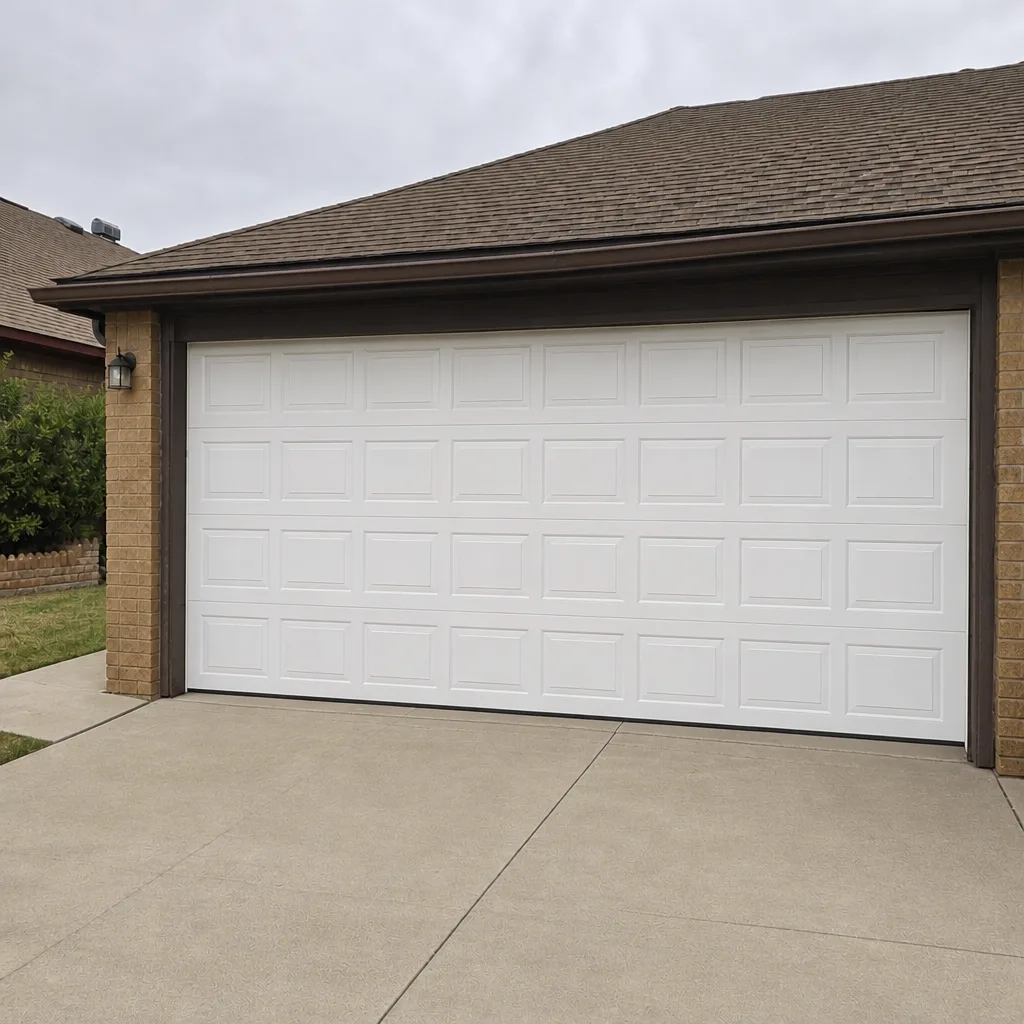
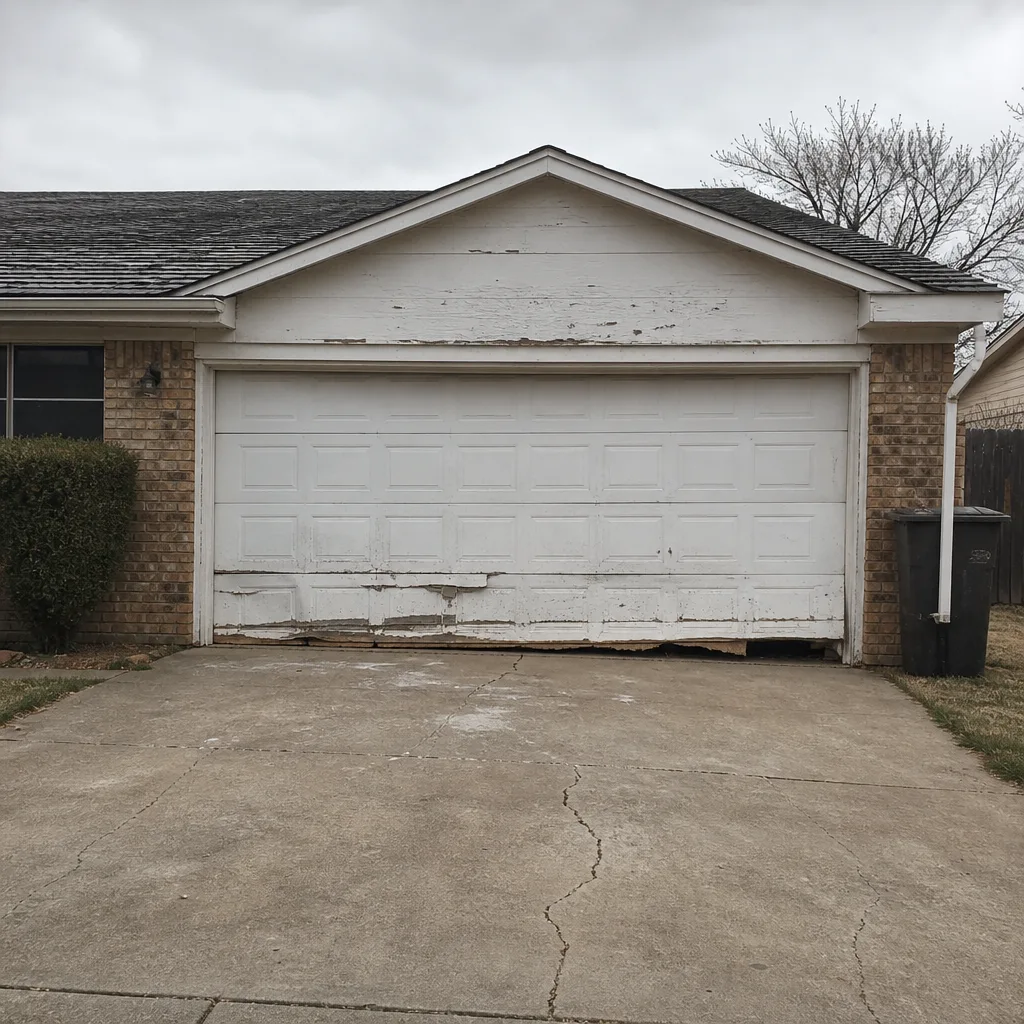
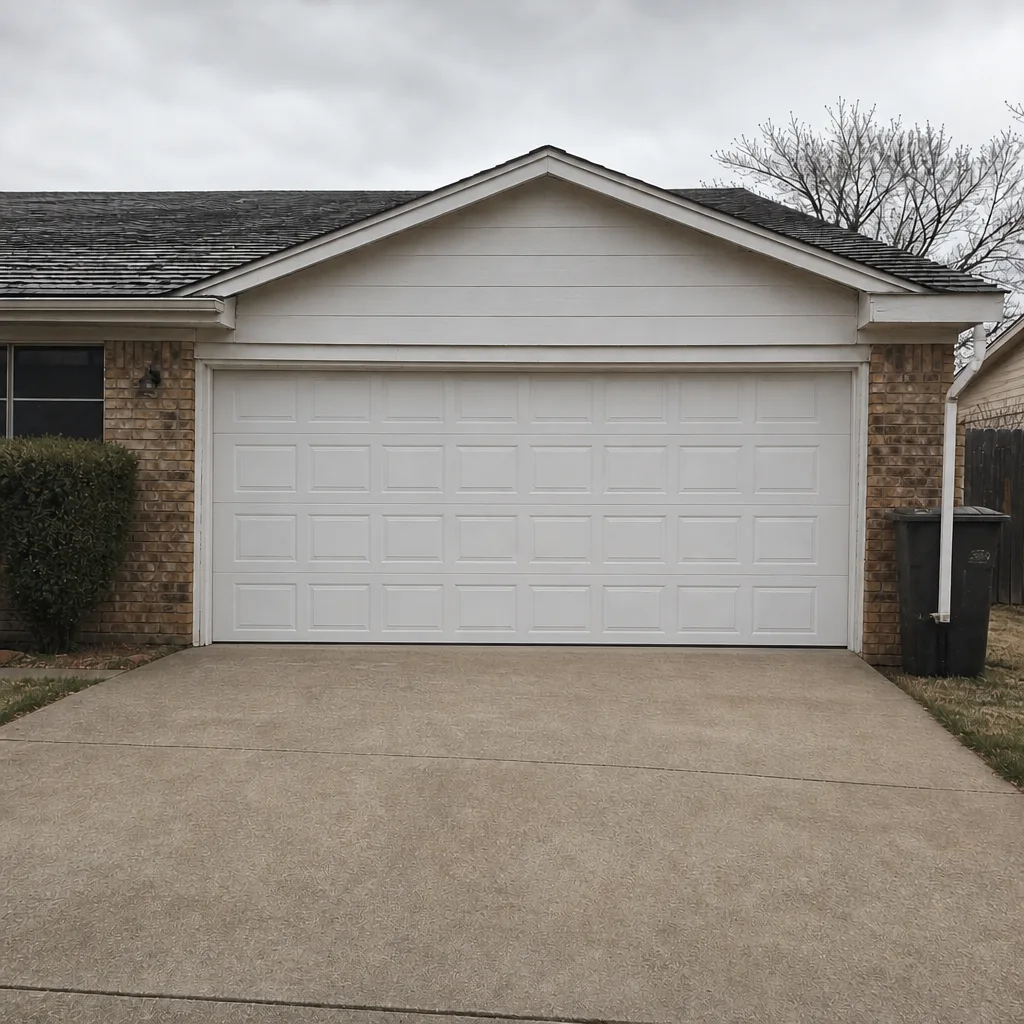
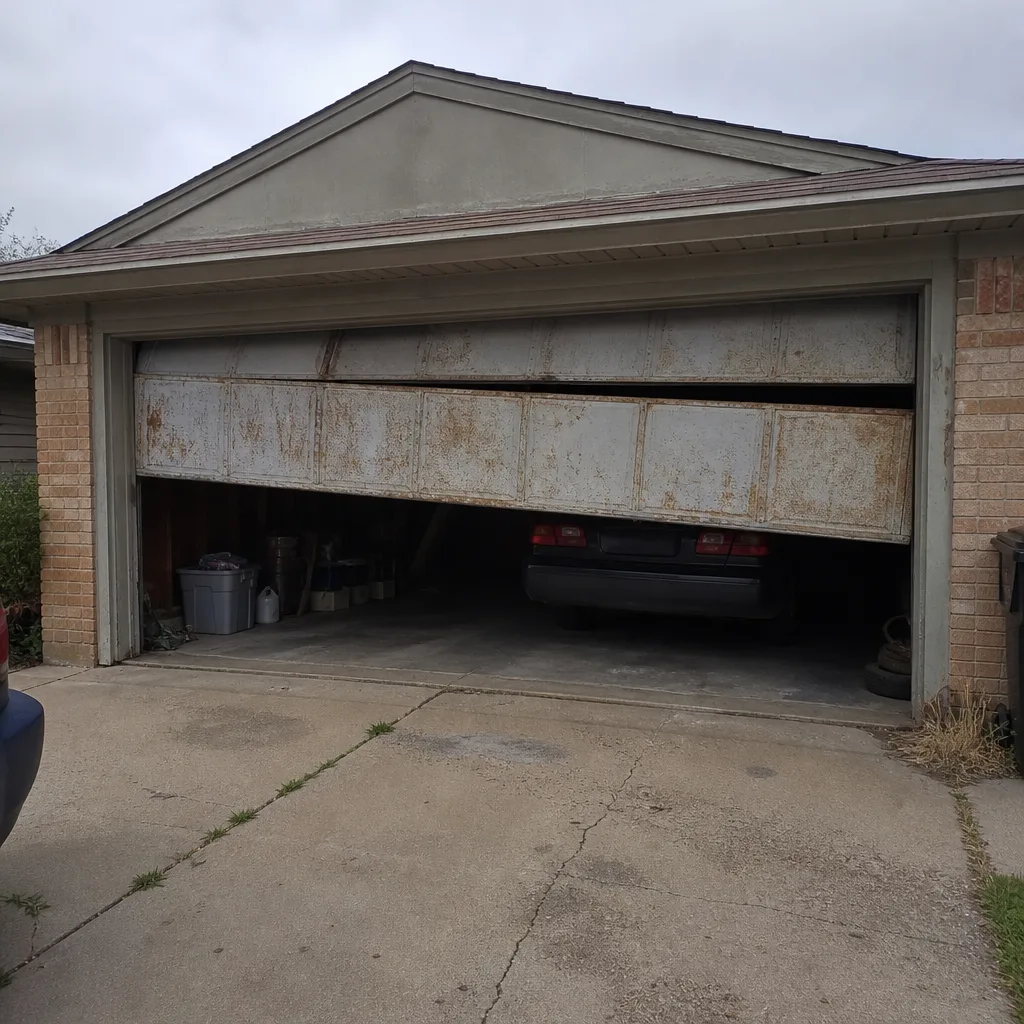
See the difference
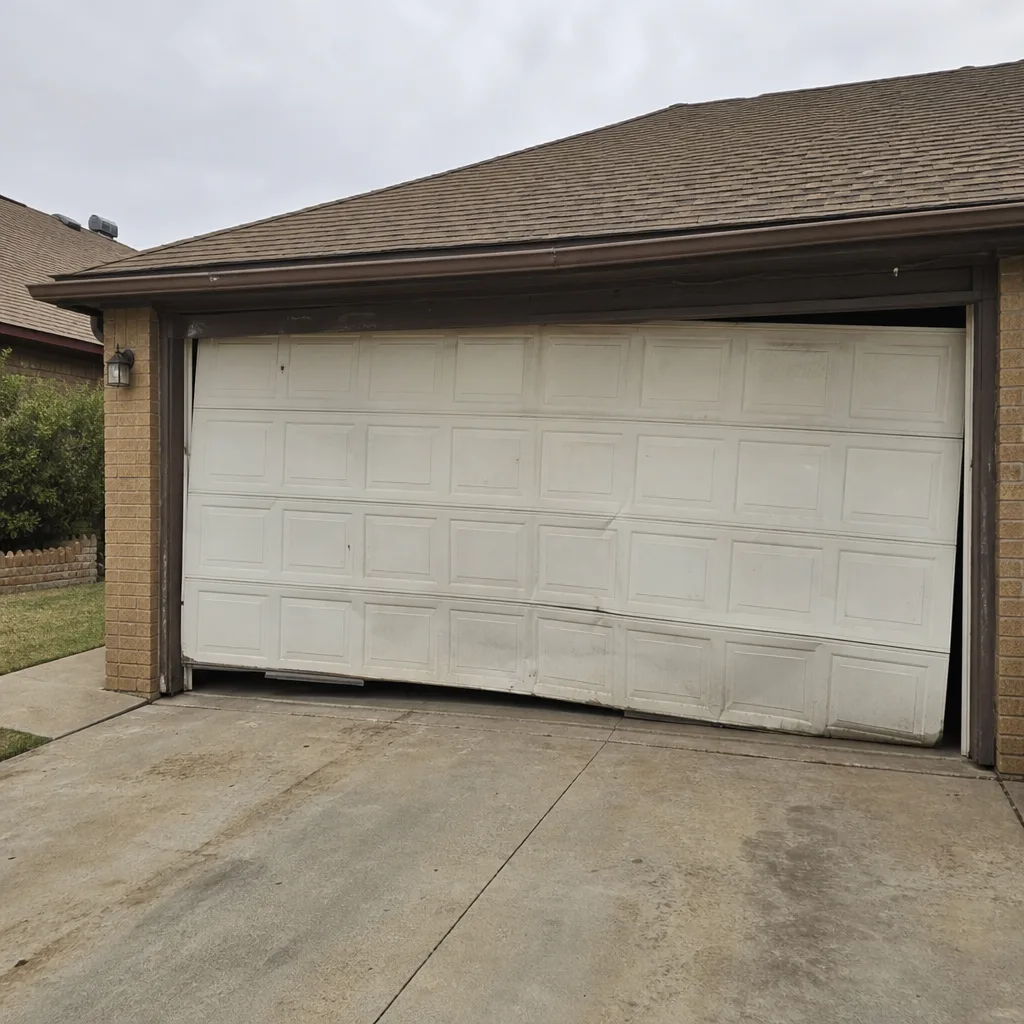 Before
 After
 Before
 After
 Before
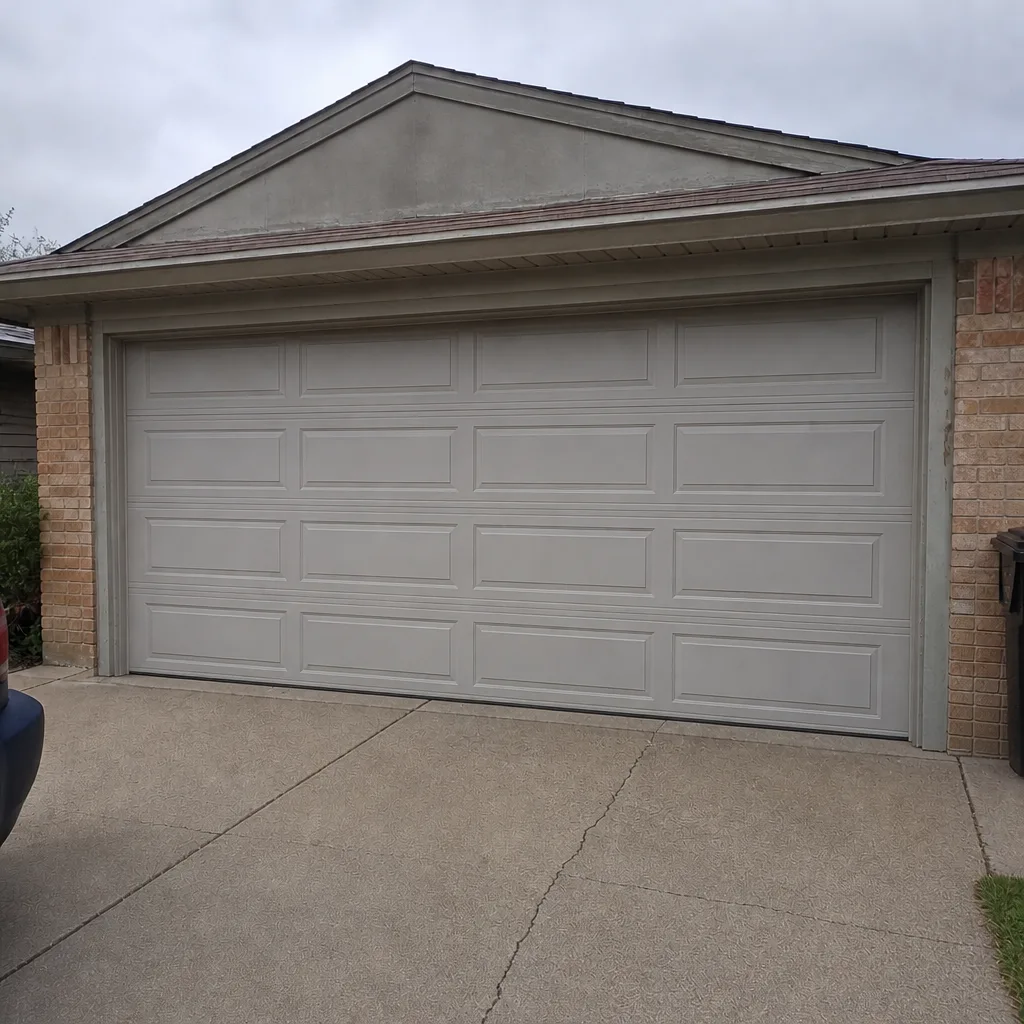 After
When to Call a Professional
Call a professional if the manual-release test shows a heavy, slamming, or crooked door, if you see a broken spring, a slack or off-drum cable, or a door that binds and can’t be fixed with a careful track adjustment. Call if the opener has no response at all, if the safe sensor cleaning and the wall button test both fail, or if the door passes the reverse test inconsistently after a repair you’ve done. Call if you simply can’t sort the symptom into a category, because a technician will. Dunmore Garage Door Repair offers free estimates in Lubbock – call (866) 361-7024. Our technicians have up to 13 years of experience, and they’ll explain what’s wrong before touching anything. From the springs to the smart opener, one visit can cover both.
Frequently Asked Questions
Pull the manual release cord and lift the door by hand. If it rises easily and holds at halfway, the door is healthy and the problem is the opener. If it’s heavy, slams down, or moves crookedly, the problem is in the door’s springs, cables, or tracks, and the opener should be left off until that’s fixed.
No. Torsion springs store enough energy to cause serious injury, and replacement requires specialized tools and controlled release methods. We don’t recommend it for any homeowner, and most legitimate repair services won’t teach the procedure for the same reason. A trained technician should do that work.
The safety sensors are the usual cause. If either lens is dusty or misaligned, the door will reverse because it thinks something is in the way. Clean both lenses and check for a steady indicator light on each sensor before assuming a bigger problem.
Typical repairs run in the low hundreds for a sensor fix or roller set, and $200-$450 for opener electronics. A single torsion spring is typically $180-$340, and a matched pair runs about twice that. The written estimate sets the final price, and it’s quoted before any work begins. Call (866) 361-7024 for an exact quote – estimates are free.
West Texas temperature swings make steel tracks and door panels expand in the heat. If a door binds or grinds only during the hottest part of the day, thermal movement is often the reason, and the track probably needs a small realignment. It’s worth a look before the wear gets worse.
Indirectly, yes. Dust and grit make their way onto the opener’s moving parts, into the sensor lenses, and into the tracks, and each of those can mimic a failed opener. But a truly failed logic board is a board problem, not a dust problem, and a technician should check the actual circuit before you replace anything.
Yes. We recommend confirming licensing and insurance with any repair service you hire, and we’re happy to confirm ours before a visit. It’s one of the things to ask about before you let anyone touch your door. Call (866) 361-7024 with any questions – estimates are free.
The Bottom Line
Most garage door problems in Lubbock sort into five categories, and the fastest way to a real answer is the manual-release test. Do it before you call anyone. It tells you whether you’re dealing with the opener or the door, and it saves you from paying for a repair you don’t need. Springs and cables are the bright line – never DIY. Tracks, rollers, sensors, and remotes are often within your reach. And when a door is heavy, crook, or unresponsive, a quick call beats a guess. Call (866) 361-7024 for a free estimate. We answer 24/7. Fast dispatch from 7am to 7pm, Sunday through Friday. Whether your door is a Clopay, an Amarr, or an older Wayne Dalton, we work on your brand, not just ours. Know what’s wrong before we quote you anything.
Written by the team at Dunmore Garage Door Repair.