
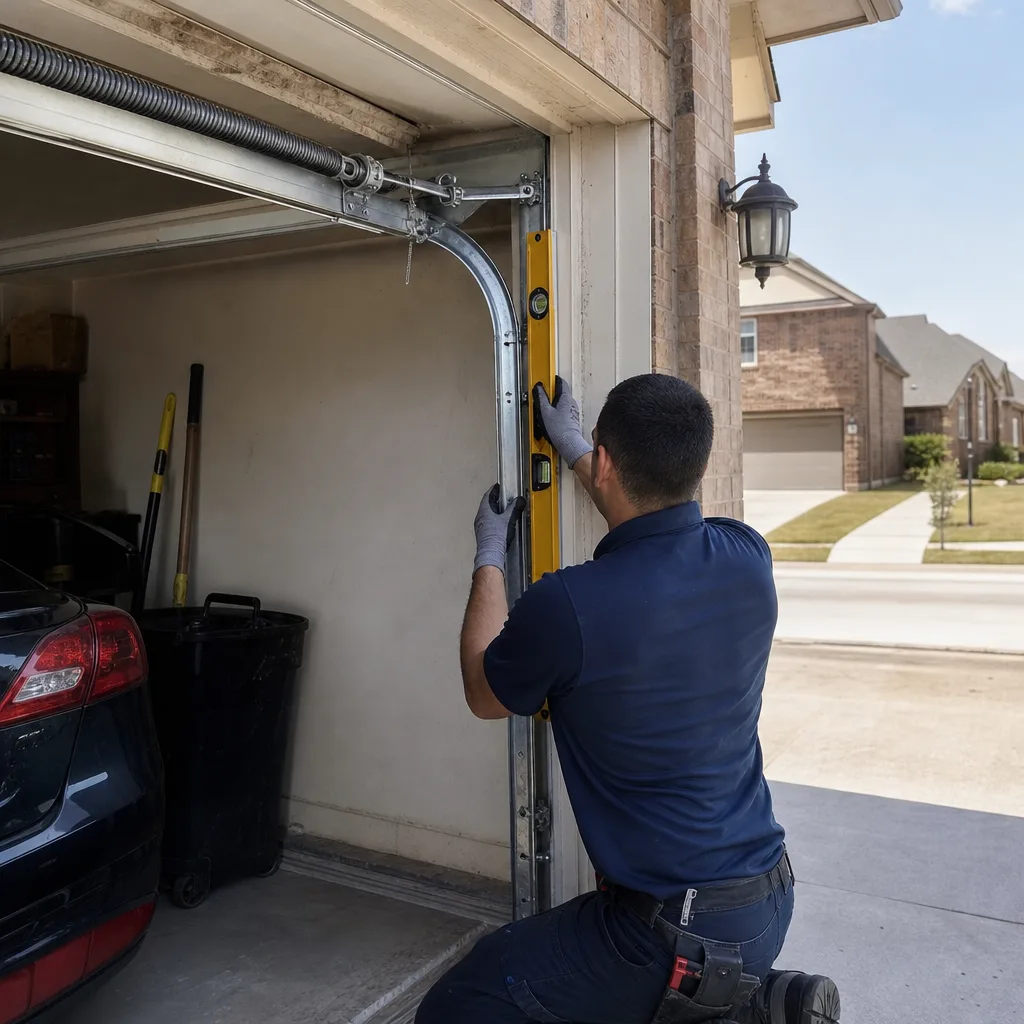
Last updated November 15, 2026
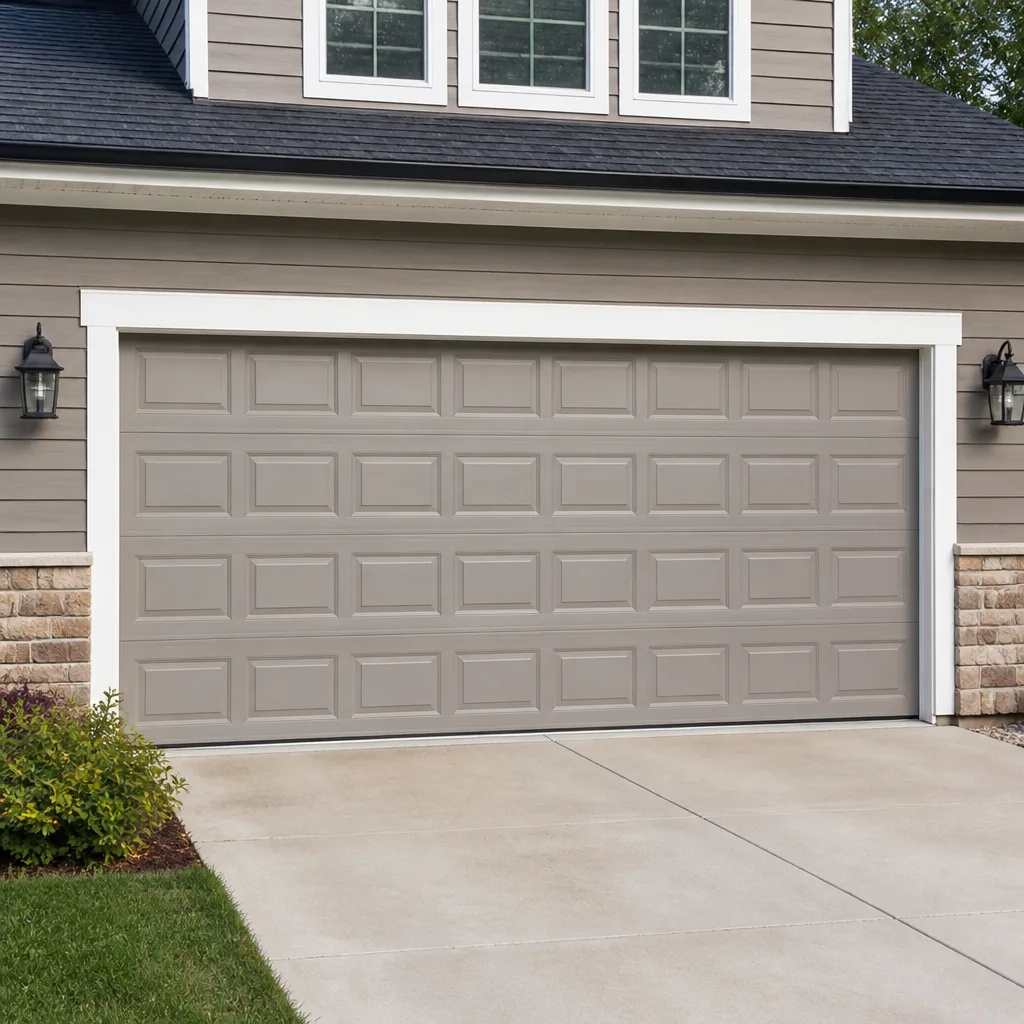 Raised-panel steel
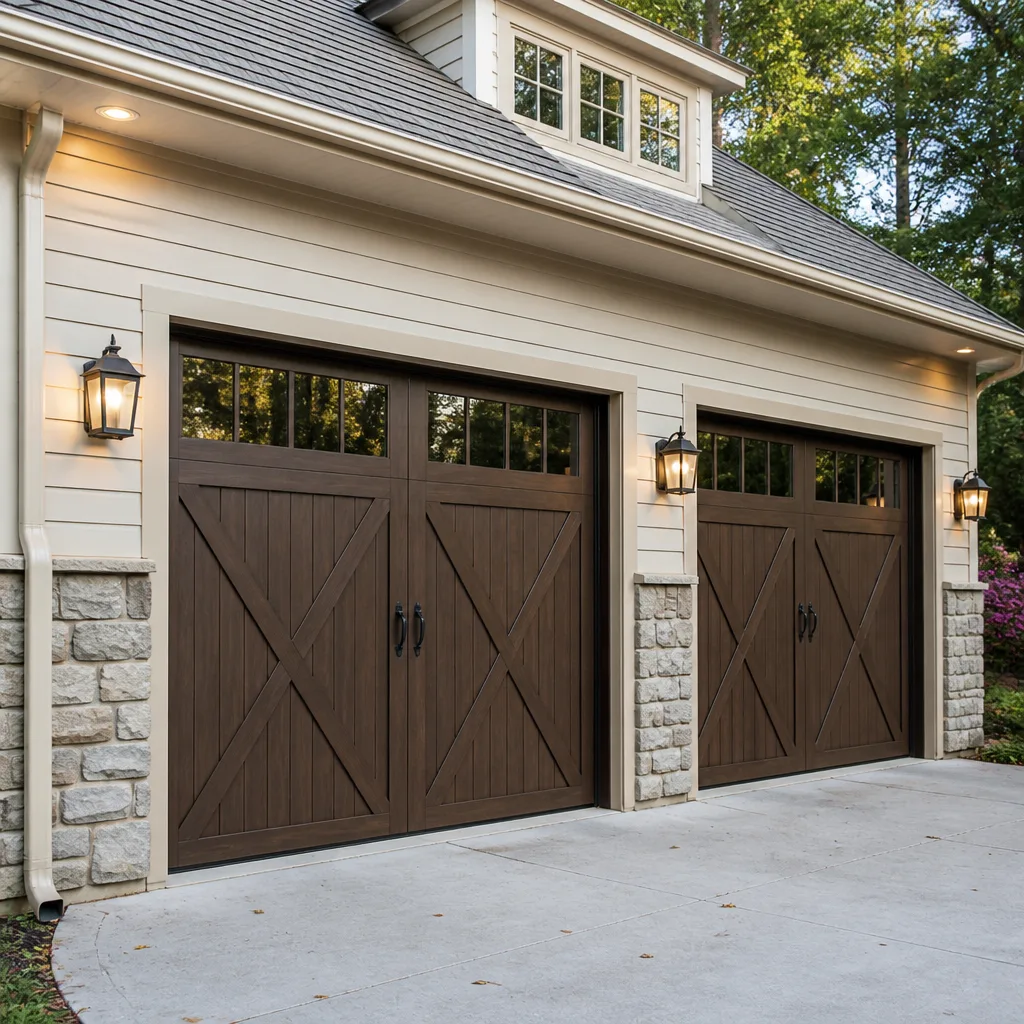 Carriage house
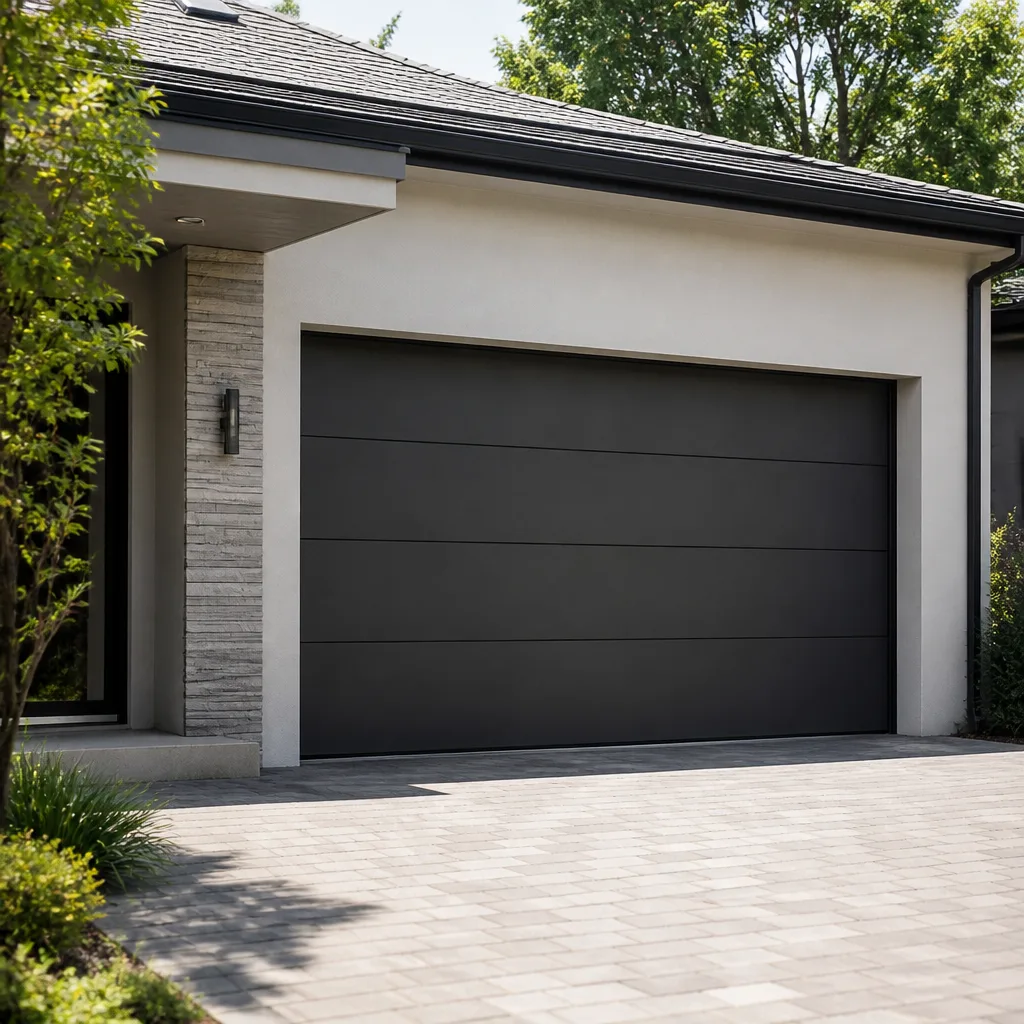 Modern flush
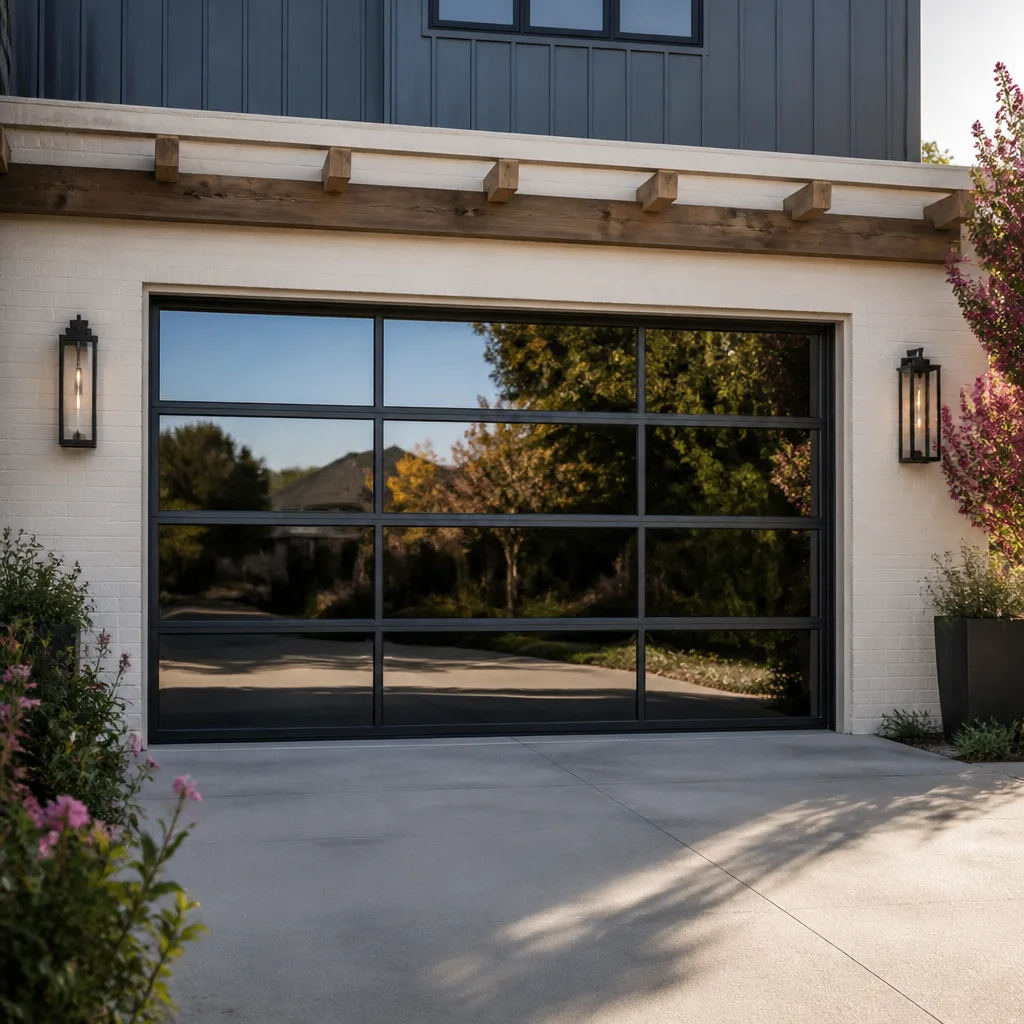 Full-view glass
 LiftMaster openers
 Chamberlain openers
Full 25-point door and opener safety check with every visit - springs, cables, rollers, tracks, and your LiftMaster or Chamberlain opener included
You get a price before we start. It does not change when the pro arrives.
Get your free estimateSeasonal Garage Door Care for Lubbock: Year-Round Homeowner’s Guide
Most seasonal garage door guides assume four tidy seasons: a thaw, a summer, a leaf-raking break, and a cold stretch. Lubbock doesn’t work that way. Here, it’s not unusual to see 95°F in October and a hard freeze two weeks later, a swing that can crack weatherstripping, stiffen rollers, and throw off spring tension inside a single month. That pattern rewards homeowners who maintain on a Lubbock calendar, not a generic one. This guide walks through pre-summer heat prep, why spring storms are the real danger season, fall adjustments, winter freeze protocols, and a 12-month task calendar built around how Lubbock weather actually behaves.
Quick Answer
Seasonal garage door care in Lubbock means preparing the opener and seals for extreme summer heat, bracing and inspecting for spring hail and high-wind events, adjusting springs and the bottom seal in fall before temperature swings, and protecting the door during occasional hard freezes. A simple monthly visual check plus four seasonal service touchpoints keeps most doors running safely and catches small problems before they become repairs.
Styles & brands we work with
- Raised-panel steel
- Carriage house
- Modern flush
- Full-view glass
- LiftMaster openers
- Chamberlain openers
Table of Contents
- Why Lubbock’s Climate Stresses Garage Doors Differently
- Pre-Summer Prep: Heat and UV Strain on Openers and Seals
- Spring: Lubbock’s Highest-Risk Season for Door Damage
- Fall: The Critical Adjustment Window
- Winter: Freeze Protocols and the Frozen-to-Floor Door
- Monthly Checks That Take Ten Minutes
- Your 12-Month Lubbock Garage Door Calendar
- Brand-by-Brand Care Notes
Why Lubbock’s Climate Stresses Garage Doors Differently
Lubbock sits on the Llano Estacado, a high flat plateau where the wind rarely stops and the sun hits hard year-round. That combination goes after a garage door in ways that a humid or coastal climate never does. Heat dries out rubber and vinyl, wind works loose fasteners and drives grit into rollers and tracks, and dust settles into every seam. When a hard freeze finally arrives, any moisture trapped in the bottom seal or along the door-floor contact can lock the whole panel down.
Sun exposure matters more than most homeowners expect. A west-facing door on a home in Tech Terrace or near the Rush neighborhood may see full afternoon sun year-round, and that door’s seals, paint, and opener housing take a beating that a shaded north-facing door never sees. It’s worth knowing which side of the house your door faces before you decide how often to inspect it.
- Wind: persistent and often gusting across open plains; loosens hardware, drives dust into tracks.
- Heat: cracks weatherstripping, dries lubricant, ages the opener’s internal components.
- Dust: collects in rollers and hinges; turns into grit that wears moving parts.
- Sudden cold snaps: stiffen springs and seals, can seize a door to the floor.
None of these stresses are catastrophic on their own. Stacked together over a year, they’re why a Lubbock garage door ages faster than the same door in a milder climate. We work on doors across Lubbock and see this pattern consistently: the doors that last are the ones whose owners check them on a schedule tied to the actual season, not a calendar from an article written for a different part of the country.
Pre-Summer Prep: Heat and UV Strain on Openers and Seals
The weeks before summer heat sets in are your best window to protect the opener and seals from the months ahead. Once temperatures climb into the 90s and above, an opener that’s already struggling gets worse fast, and a bottom seal that’s already cracked will only dry further. Pre-summer prep is about reducing workload and preserving rubber before the stress begins.
A garage door opener on a LiftMaster, Chamberlain, or Genie unit is a small motor doing real work, and heat adds strain in two ways. First, a hot garage makes the motor and its housing run warmer, which shortens the life of the logic board over time. Second, a dry or warped track makes the door heavier to lift, and that extra resistance burns out gears and drive components. If your door feels sluggish or the opener strains, find out why before summer rather than after. A dedicated garage door opener repair visit catches belt, gear, or logic board wear early.
- Wipe and lubricate the bottom weather seal with a silicone-based product made for garage doors. Avoid petroleum-based oils that degrade rubber in summer heat.
- Inspect the seal for cracks, hardening, or separation from the door bottom; replace any section that’s dried out before UV exposure worsens it.
- Test the opener’s auto-reverse by placing a roll of paper towels in the door’s path and confirming the door reverses on contact.
- Clean and lubricate hinges, rollers, and the torsion bar at the manufacturer’s recommended points.
- Clear debris from the track and check that rollers run smooth and true.
- Check the door’s balance: with the opener disconnected, lift the door halfway and confirm it stays put without help.
If the door won’t hold its halfway position, the springs are out of adjustment and the opener is working harder than it should. That’s a spring issue, not an opener issue, and spring work carries serious injury risk, so have a trained technician handle it.
Spring: Lubbock’s Highest-Risk Season for Door Damage
Spring is the season most homeowners underestimate, and in Lubbock it’s the one that does the most damage. Hail and high-wind events sweep through the region in spring, and a garage door is a broad, flat, exposed surface that takes the hit. A panel that dents or cracks from hail affects the door’s alignment, its seal against the frame, and eventually its balance on the tracks.
Derecho-style wind gusts are the other spring threat. Wind that strong can bow a lightweight panel, pull a hinge loose, or flex a door enough to jump a roller out of its track. Small wind damage is often invisible from the driveway but shows up as a door that shudders, binds, or seals unevenly. That’s when a garage door repair inspection is worth the call, before a loose track wears out rollers and hinges.
- After any hail event: walk the door and look for dents, cracks in panels, and damage to the seal and frame.
- After high wind: test the door for smooth travel, listen for scraping, and check that rollers sit fully in the tracks.
- All spring: clear leaves, dirt, and grit from the tracks after windy days so debris doesn’t wear moving parts.
- Before the first storms: confirm that the door’s manual release works and that you know how to use it if a power outage follows a storm.
Panels from manufacturers like Clopay and Amarr are built to take a lot, but no panel is built to shrug off a direct hit. If you see a dent that’s pushed a panel out of alignment, get it inspected. A door that’s off its tracks is a safety risk and shouldn’t be operated until a technician has looked at it.
Fall: The Critical Adjustment Window
Fall is the season homeowners tend to ignore for garage door care, and it’s the most important one. This is the window before Lubbock’s temperature swings begin, and a door that’s properly adjusted in fall rides through winter’s cold snaps far more safely. Metal contracts as temperatures drop, and a spring that was fine in September heat can be noticeably tighter or looser by December. Seals also harden faster as the cold sets in.
Fall is the right time for a full balance and tension check, and it’s also the last easy window to replace a failing bottom seal before the cold makes the rubber brittle. A seal that’s cracked when it’s cold can’t be properly set and won’t sit cleanly against the floor. Replacing it in fall, while the rubber is still pliable, is easier and more reliable.
- Disconnect the opener and test the door’s balance by lifting it halfway and letting go. It should stay put.
- Inspect the bottom seal for hardening, splitting, or gaps against the floor; replace it before cold weather toughens the rubber.
- Check and clean the tracks, and tighten any fasteners loosened by a summer of wind and use.
- Lubricate hinges, rollers, and the torsion bar with manufacturer-recommended products.
- Test the garage door opener’s safety reverse and photo-eye alignment before the busy season of use.
- Look over the panels for dents or cracks you may have missed and note any to fix before winter.
Spring tension deserves special care in fall, and it’s the one item we never suggest a homeowner adjust alone. Torsion and extension springs are under heavy tension and can cause serious injury if they fail during a DIY adjustment. If the door won’t hold its balance, have a trained technician service the springs.
Winter: Freeze Protocols and the Frozen-to-Floor Door
Lubbock winters are mostly mild, but occasional hard freezes are the real risk, and a door that’s frozen to the floor is the common result. When temperatures plunge overnight, moisture along the bottom seal can freeze and bond the door to the slab. Lifting the door with the opener in that state puts heavy strain on the springs, opener, and hinges, and could peel the seal off the door.
If you suspect the door is frozen, don’t force it. The safe move is to release the opener with the manual release, then use a safe heat source to thaw the seal and floor contact. Never pour hot water along the bottom of the door in a hard freeze, since it can refreeze and make things worse. A space heater placed safely in the garage, or simply allowing the sun to warm the door if you can, is the safer route. Once it’s free, test the door manually before re-engaging the opener.
- Before a freeze: clear any standing moisture from the door-floor line, and make sure the bottom seal sits fully on the slab.
- During a freeze: avoid repeatedly opening the door if you don’t need to; each cycle stresses the frozen points.
- After a freeze: check the seal for cracks or tears that may have formed and verify the door returns to smooth operation.
- Cold-snap door stiffness: if the door feels unusually stiff, it may be a spring or track issue, not just the cold. Have it inspected if it doesn’t free up.
A frozen door is one thing. A door that won’t release cleanly, or that’s stuck and requires force to open, is a good reason to call a technician rather than force it. Forcing it can damage springs and the opener, and those are the expensive parts to replace.
Monthly Checks That Take Ten Minutes
A ten-minute check each month catches most problems while they’re still minor. Pick a day, walk out to the garage, and run through a short routine. Nothing here requires special tools, and nothing here has you adjusting a spring.
- Look at the door: scan for dents, cracks, separation between panels, and any sign of misalignment.
- Listen to the door: run it up and down. Grinding, scraping, or a shudder means something’s wrong.
- Check the seal: press the bottom weatherstripping and look for hardening, cracks, or gaps against the floor.
- Test the safety reverse: set a roll of paper towels in the door’s path and confirm it reverses.
- Test the photo-eye: with the door open, wave something across the sensor beam and check the door stops or reverses as designed.
- Wipe the tracks: clear dust and debris from the tracks, especially after windy weeks.
- Look at the springs and cables: note any visible wear, fraying, or sagging, and call if you see it. Don’t touch them.
This routine is also your best early-warning system for the opener. A door that hesitates, reverses for no reason, or won’t close all the way usually means an issue with the opener or the door’s balance. Note when it happens and how often, since that helps whoever inspects it diagnose faster.
Your 12-Month Lubbock Garage Door Calendar
Here’s how the seasons translate into a year-round schedule built around Lubbock’s actual weather pattern. The point is to prepare for the next stress before it arrives, not react after a door stops working.
- January-February: freeze-protection month. Check the bottom seal and clear moisture from the door-floor line before any cold snap. Test the safety reverse after cold-weather use.
- March: spring storm prep. Walk the door for dents and wind looseness, confirm the manual release works, and clear the tracks.
- April-May: peak spring storm season. Inspect after every hail or high-wind event. Check for panel damage, misalignment, or a door that shudders.
- June: pre-summer heat prep. Lubricate the seal and moving parts with silicone-based products, check the opener’s temperature and strain, and test balance.
- July-August: peak heat. Keep the door lubricated, clear dust from tracks, and watch for Opener strain or seal cracking. Avoid DIY spring adjustments in the heat.
- September: fall adjustment window. Test balance, inspect the bottom seal, replace any that’s failing, and check the opener’s operation.
- October: pre-cold check. Confirm the seal sits cleanly, tighten loose fasteners, and lubricate the hinges and rollers.
- November-December: winter prep. Watch the forecast for hard freezes, clear moisture near the door floor, and inspect the seal. Note any door stiffness for later inspection.
Adjust the calendar to your door’s exposure. A west-facing door, or one on an open, windy lot, needs more frequent track cleaning and seal checks than a shaded door. The principle stays the same: prepare for the next stressor before it hits. We help homeowners build this schedule around their specific door, whether it’s a Clopay, an Amarr, or any other system.
Brand-by-Brand Care Notes
Most seasonal care is universal, but a few differences matter by brand, and knowing them helps you avoid a wrong fix.
- Chamberlain and LiftMaster openers: share major internal components; auto-reverse and photo-eye tests are especially important since these systems rely on them for safety. Belt-drive models run quieter but need belt tension checks.
- Genie openers: the screw-drive and belt-drive systems have different lubrication and wear points; follow Genie’s guidance for your specific drive type.
- Clopay and Amarr doors: panel materials and seal designs vary by model. Note your panel material (steel, aluminum, wood-look) so you use the right care products and can order matching seal replacements.
- Craftsman and Wayne Dalton doors: older models may use seal profiles that are harder to source; keeping the current seal in good shape avoids the search.
- Raynor doors: certain commercial-grade and residential panel systems have specific track and roller patterns; a technician familiar with the brand will know what to check.
Our technicians have up to 13 years of experience and are certified to service eight major brands including LiftMaster, Chamberlain, Genie, Clopay, Amarr, Wayne Dalton, Craftsman, and Raynor. That range matters at this stage: whether you have a LiftMaster or a Genie, we know the system, and we work on your brand rather than pushing one. If you’re deciding between a repair and a new door, that’s what Dunmore Garage Door Repair handles as a single point of contact for the door mechanics and the opener electronics.
Common Mistakes to Avoid
- Waiting until summer to think about heat. Seal cracking and opener strain start well before the hottest weeks. Prep in late spring, when the door is still easy to work on.
- Ignoring small hail dents. A dented panel that looks minor can push the door out of alignment and stress the tracks. Inspect after every hailstorm.
- Forcing a door that’s frozen to the floor. Lifting it with the opener in a hard freeze can damage springs, hinges, and the seal. Release the opener first and thaw the seal safely.
- Adjusting springs yourself. Torsion and extension springs are under heavy tension and can cause serious injury. Leave spring work to a trained technician.
- Skipping the fall balance check. A door that’s out of balance in fall will be harder to operate all winter. Check it before the cold sets in.
- Using oil-based lubricants on the seal. Petroleum-based products degrade rubber in summer heat. Use silicone-based products made for garage doors.
- Assuming every door is the same. A west-facing door in Lubbock takes far more sun and wind than a shaded one. Adjust your care to your door’s exposure.
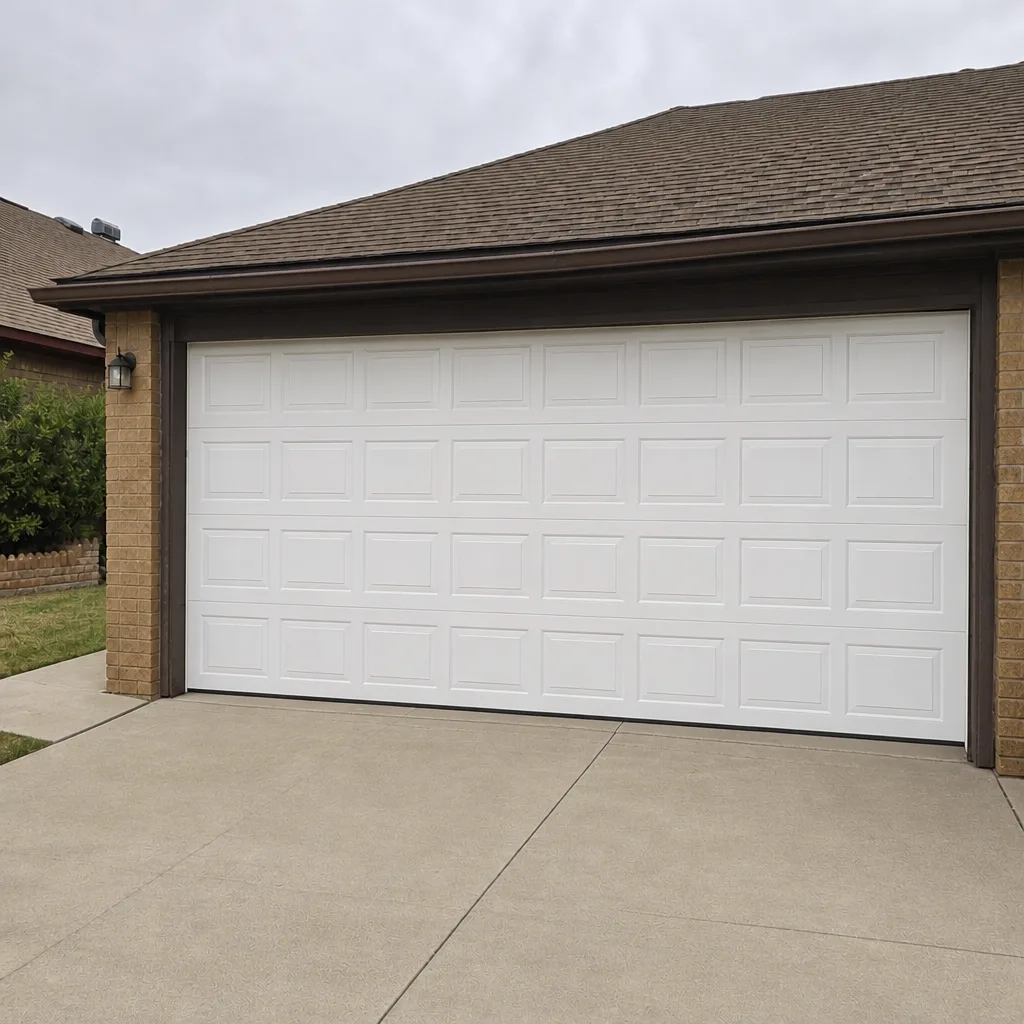
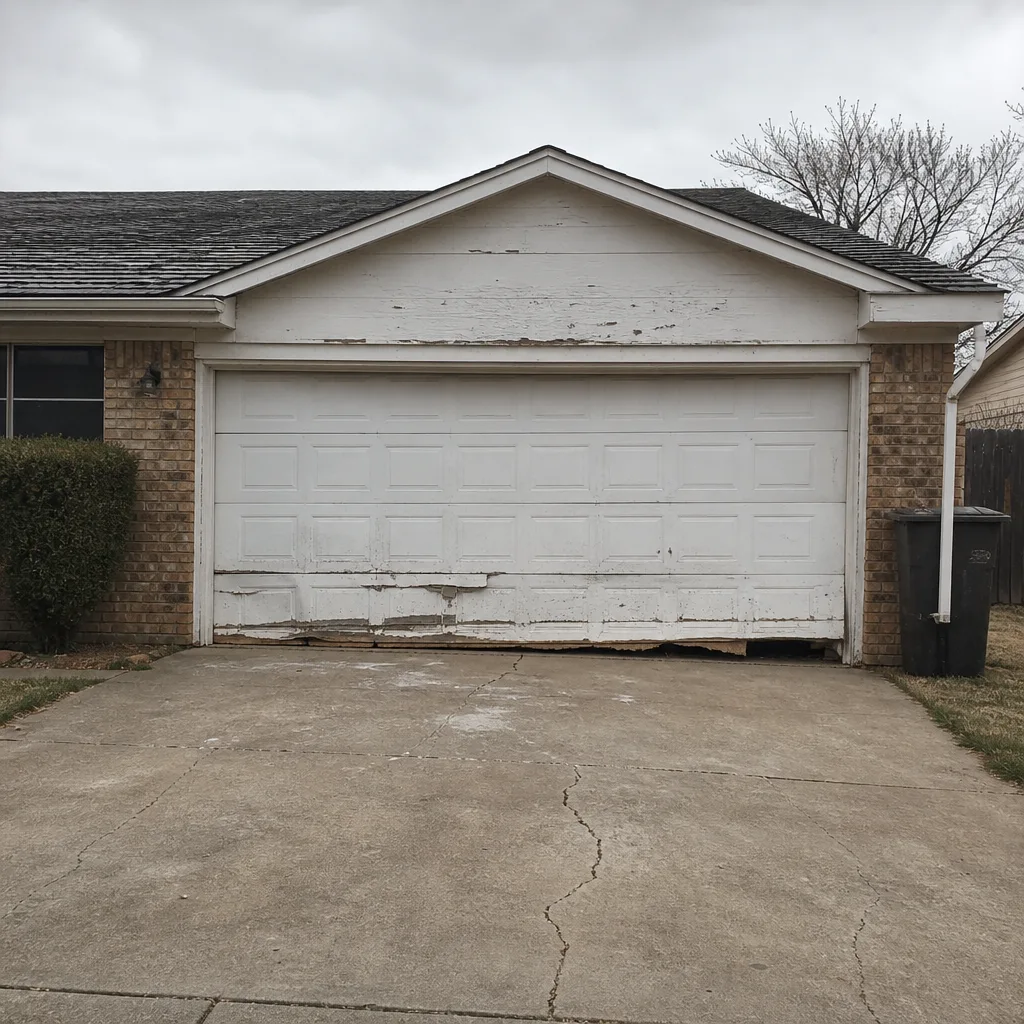
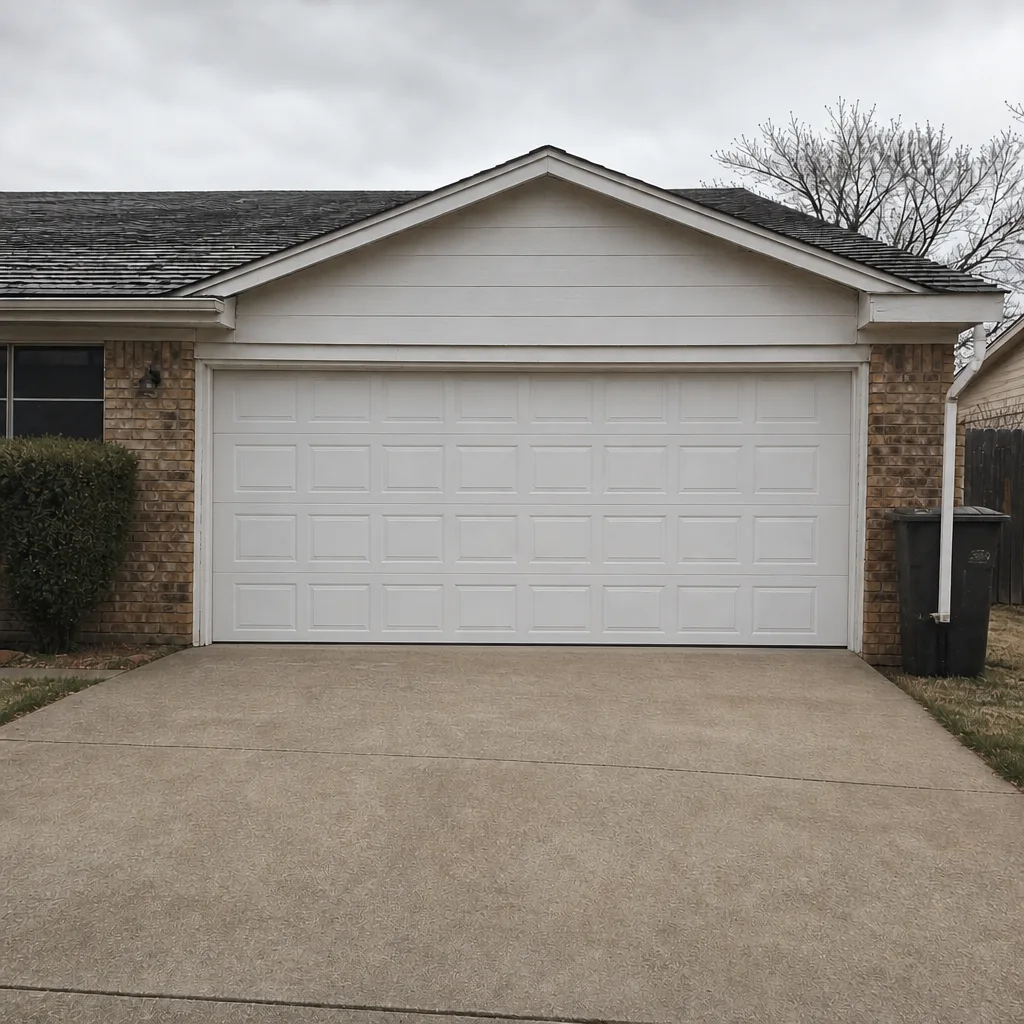
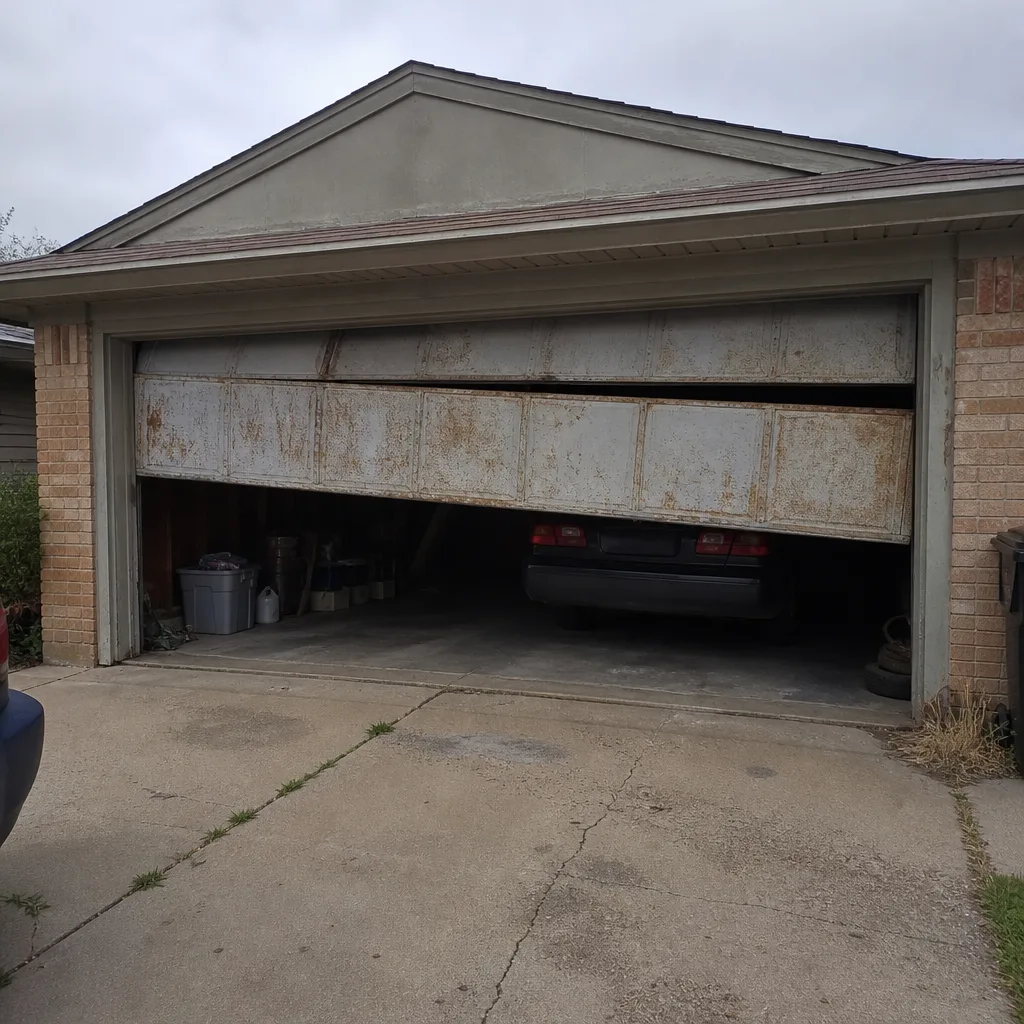
See the difference
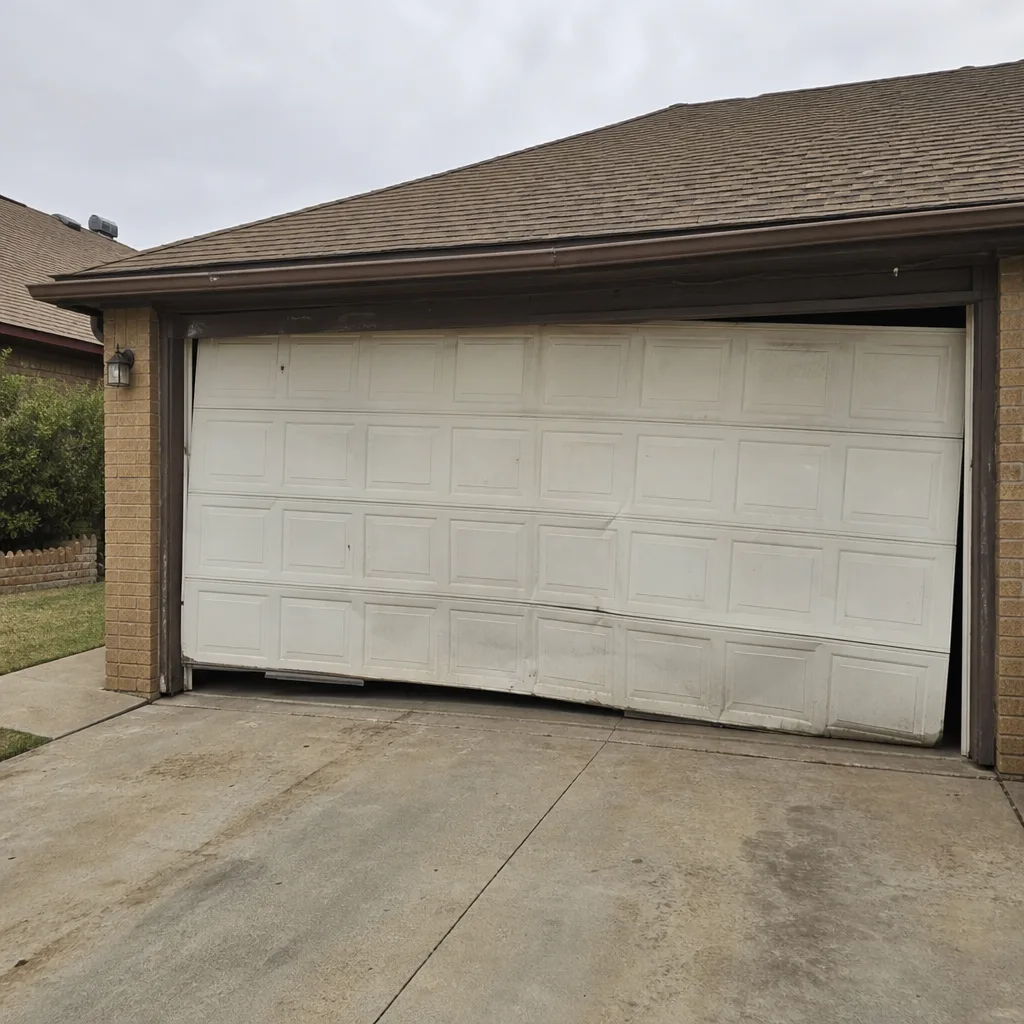 Before
 After
 Before
 After
 Before
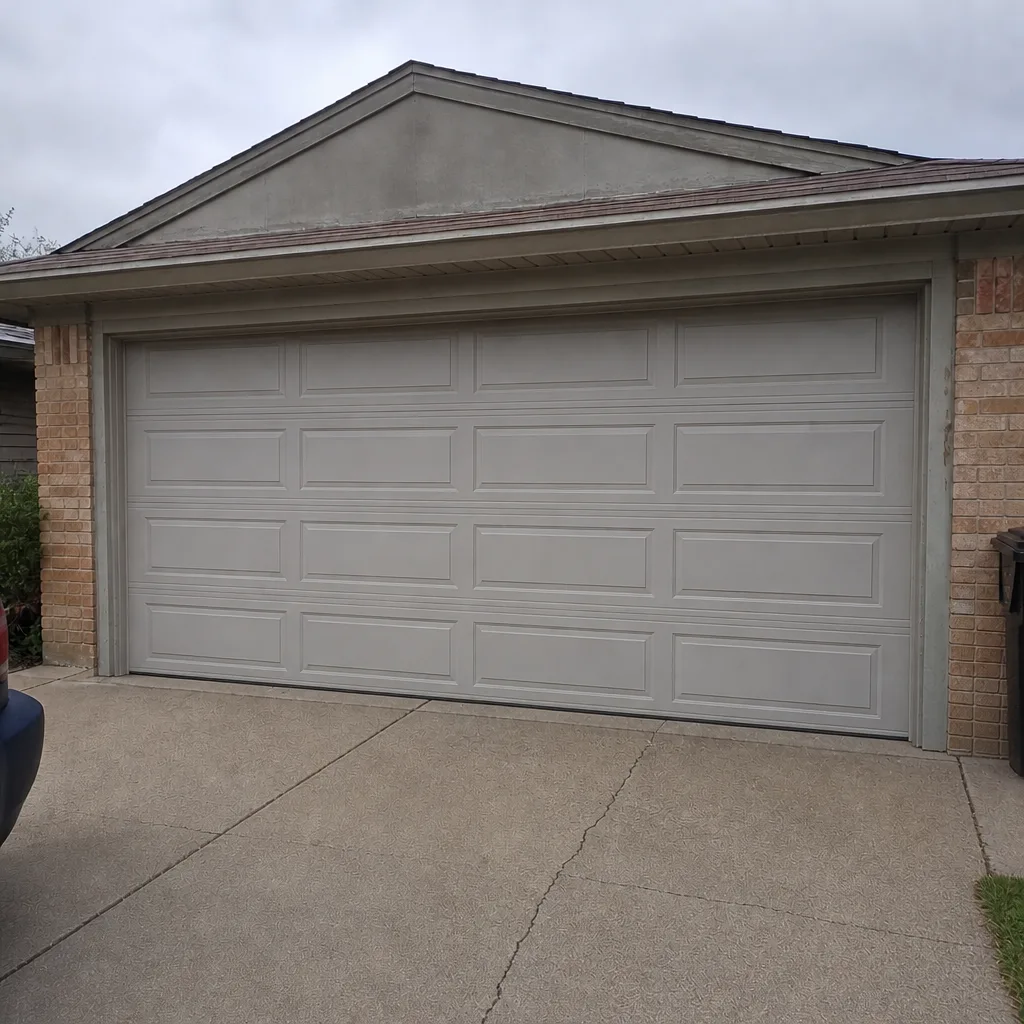 After
When to Call a Professional
Some garage door tasks belong in a technician’s hands, and it’s worth knowing where that line is. Call a professional if you see frayed or broken cables, sagging or broken springs, a door that’s jumped its track, a door that won’t close or reverse reliably, or a door that’s stuck and needs force to move. On the opener side, call if the door strains to lift, reverses for no reason, responds inconsistently to the remote, or makes grinding sounds. If a hail or wind event has damaged panels or the door seals unevenly against the frame, that’s a professional inspection, not a DIY project. Our technicians are trained for all of it, from spring work to garage door opener repair, and a same-day visit is often available for a door that’s already failing. Dunmore Garage Door Repair offers free estimates in Lubbock, and the price is quoted and agreed before any work starts. Call (866) 361-7024.
Frequently Asked Questions
Twice a year, at minimum: once in fall before temperature swings and once in spring before storm season. Monthly visual checks cover the rest. Lubbock’s wind and heat age a door faster than a mild climate, so spring and fall service touchpoints are the two that keep it running safely through the year.
Spring brings hail and high-wind events across the region, and a garage door’s broad, flat surface takes the hit. Wind can bow panels and jump rollers out of tracks, and hail can dent or crack panels and knock the door out of alignment. Inspect the door after every storm, and call if it shudders, binds, or seals unevenly.
Don’t force it. Release the opener with the manual release, then safely thaw the seal and floor contact with a space heater placed safely in the garage or by allowing the sun to warm the door. Never pour hot water along the bottom of the door, since it can refreeze. If the door won’t free up or won’t release cleanly, call a technician before forcing it. Call (866) 361-7024 for an exact quote, and estimates are free.
Yes. Going from 95°F in October to a hard freeze two weeks later can crack weatherstripping, stiffen rollers, and throw off spring tension. The door’s seals and springs work best when they’re adjusted for the season. Fall is the right time to check balance and replace a failing bottom seal before the cold hardens the rubber.
Yes. Our technicians are certified to service eight major brands, including LiftMaster, Chamberlain, Genie, Clopay, Amarr, Wayne Dalton, Craftsman, and Raynor. Whether you have a LiftMaster or a Genie, we know the system. Our technicians have up to 13 years of experience.
No. The written estimate sets the price, and it’s quoted and agreed before any work starts. If a technician finds something that needs a different approach, you’ll hear about it before any work begins. Call (866) 361-7024 for an exact quote, and estimates are free.
The Bottom Line
Lubbock garage door care doesn’t follow a generic four-season template. Summer heat and UV go after the opener and seals, spring storms threaten the panels and alignment, fall is the window for adjustments, and winter freezes can bond the door to the floor. Build your schedule around that pattern: prep before summer, inspect after storms, adjust in fall, and freeze-proof in winter. Most problems are small when caught on a monthly check. The ones that aren’t, springs, cables, tracks, and opener electronics, are what we handle. Call (866) 361-7024 for a free estimate. We answer 24/7. Fast dispatch from 7am to 7pm, Sunday through Friday.
Written by the team at Dunmore Garage Door Repair.