
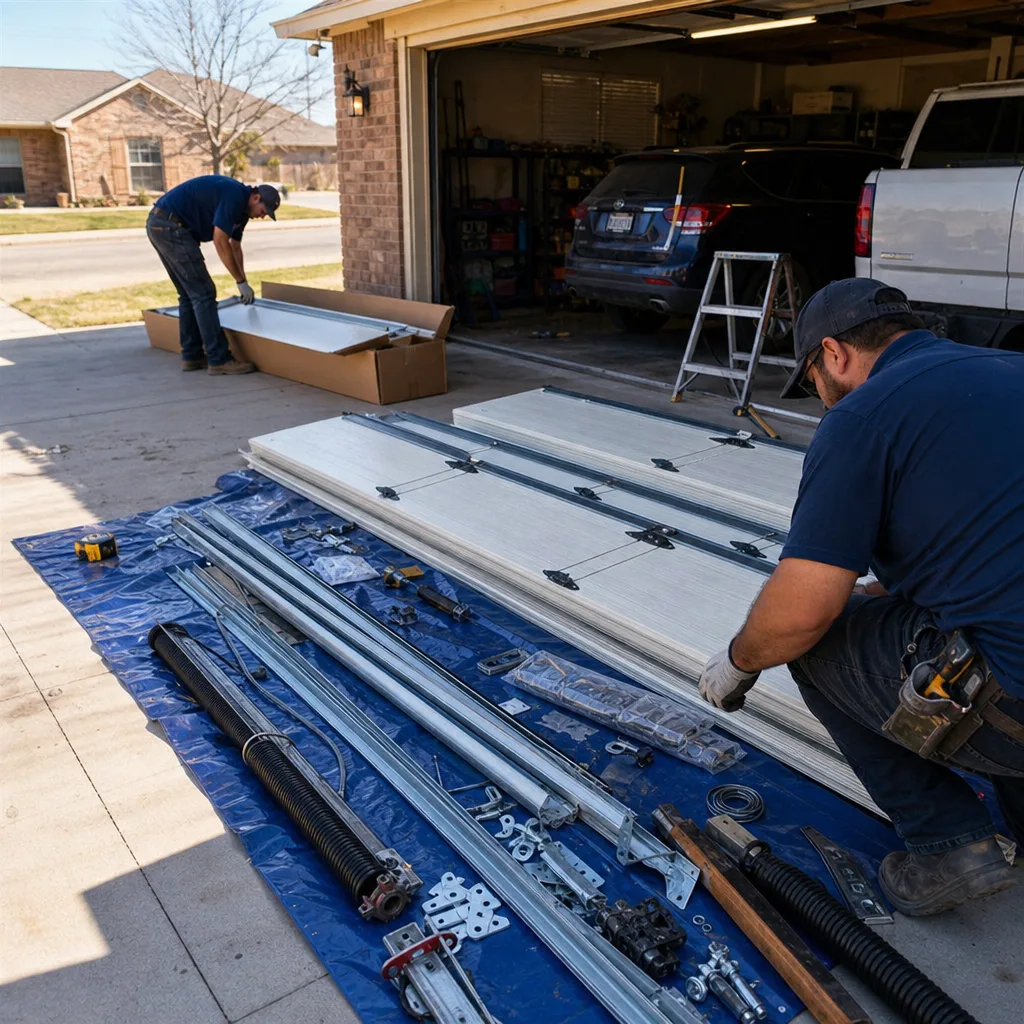
Last updated November 15, 2026
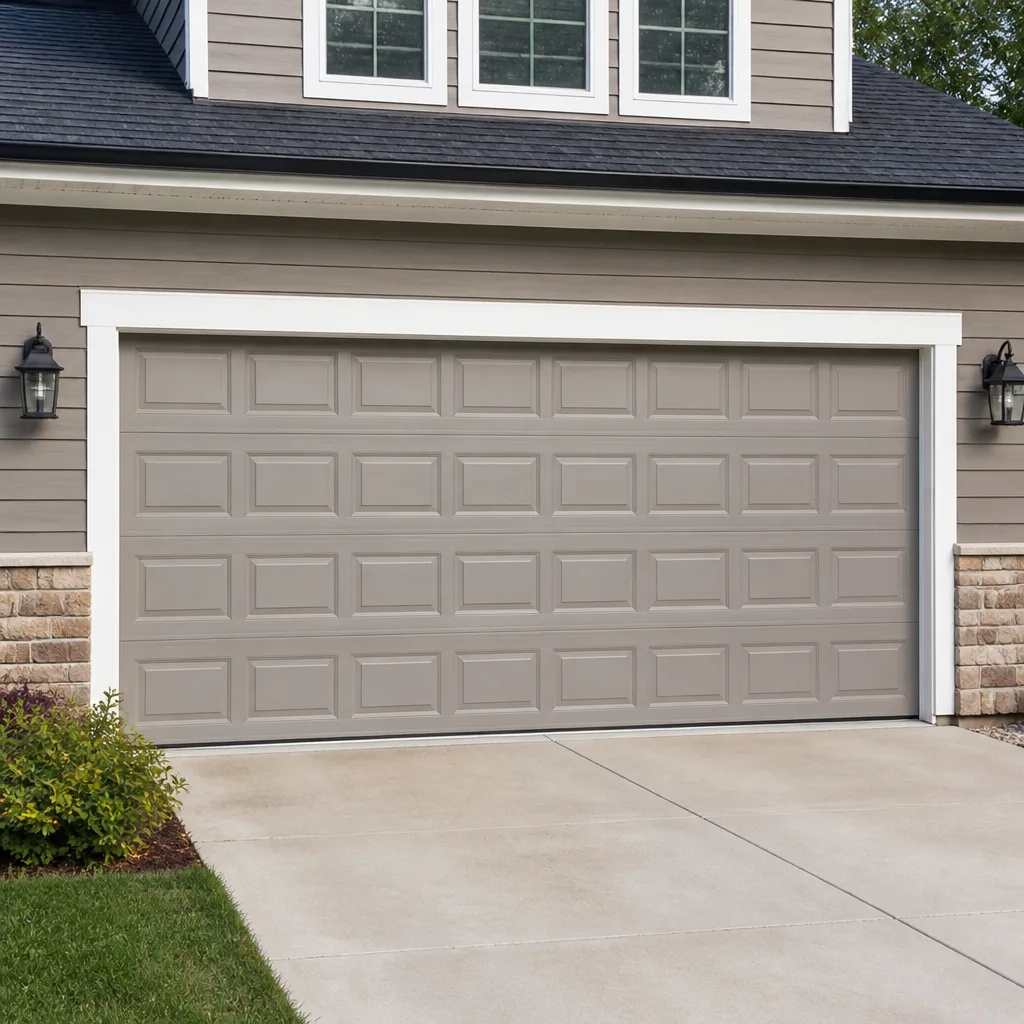 Raised-panel steel
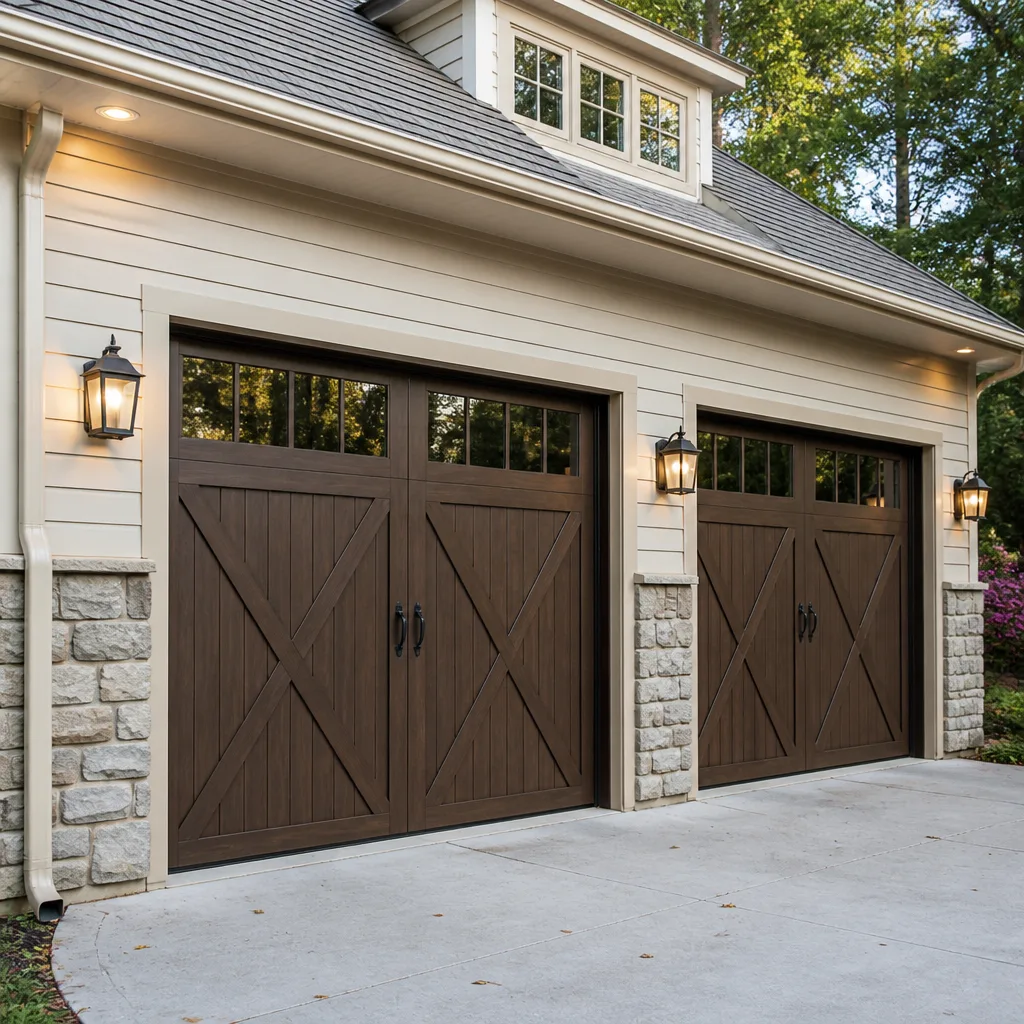 Carriage house
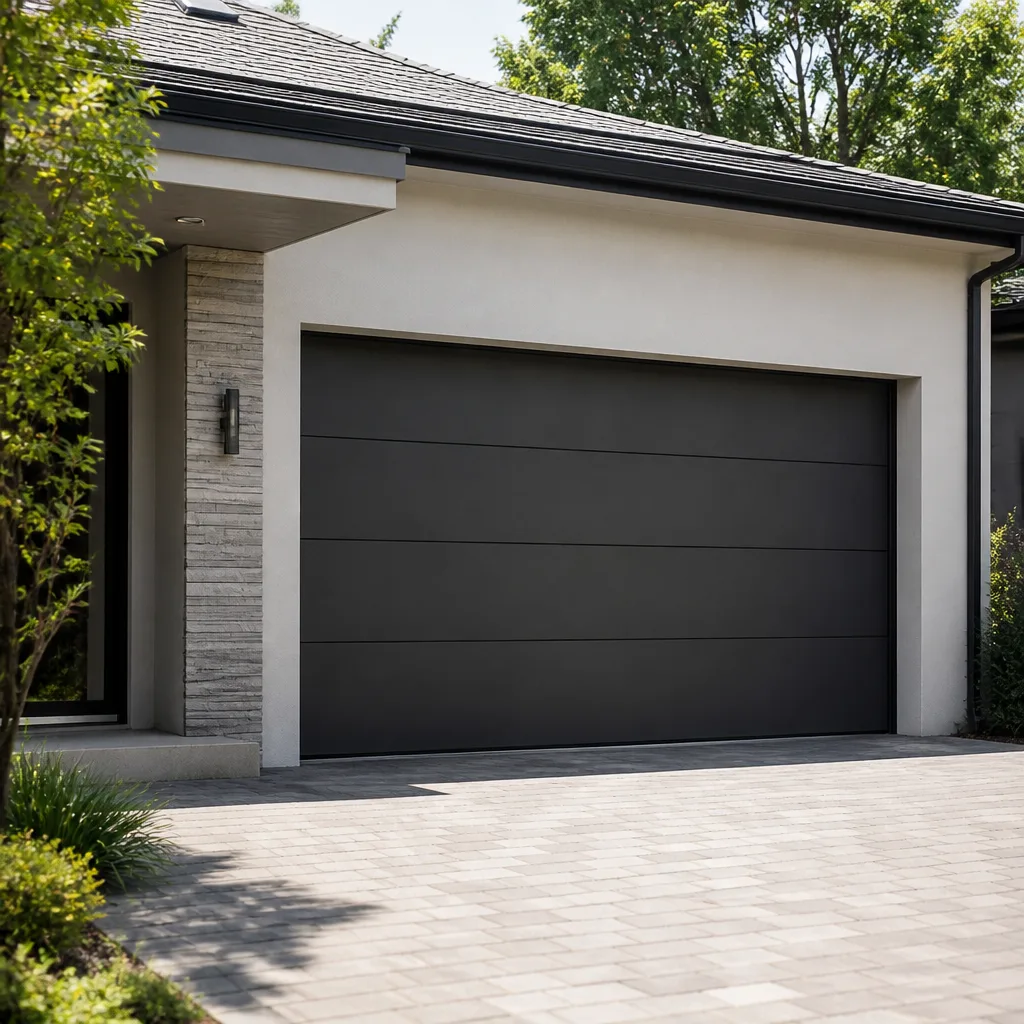 Modern flush
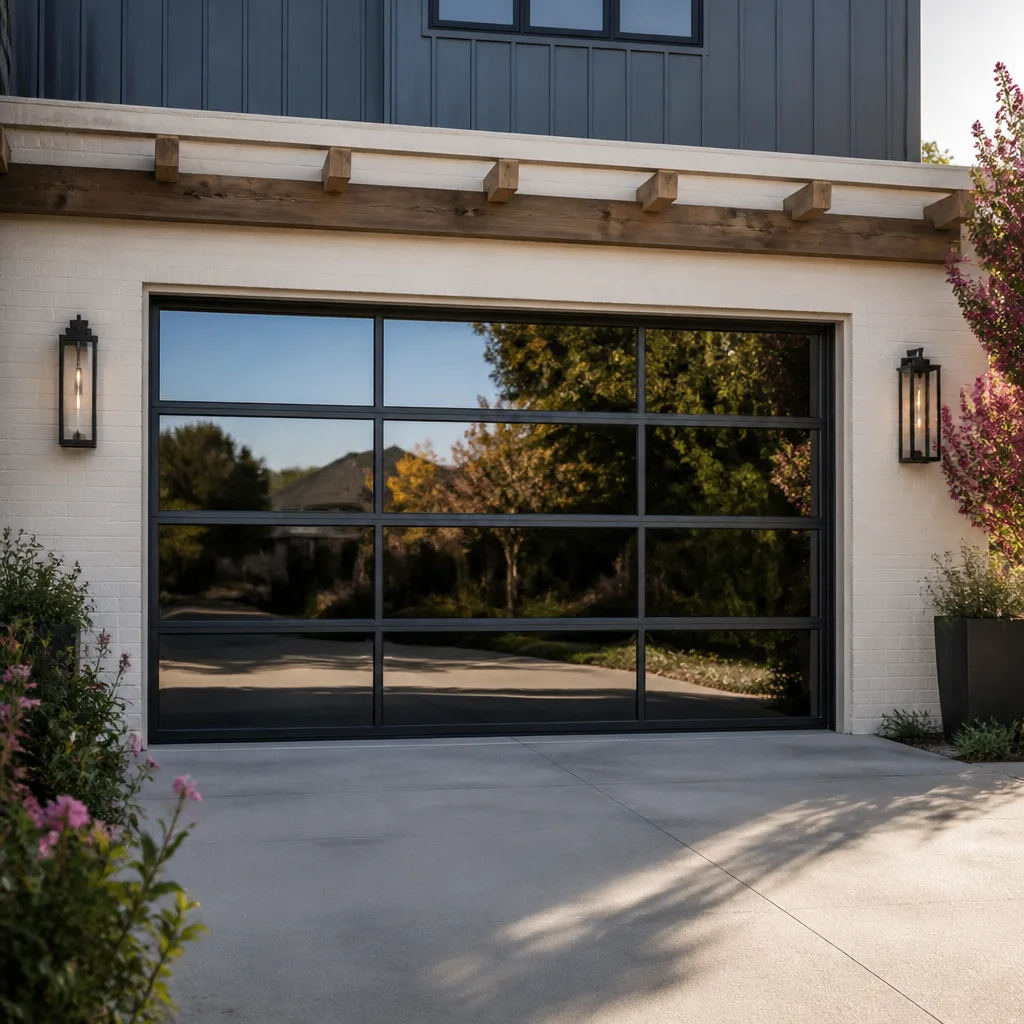 Full-view glass
 LiftMaster openers
 Chamberlain openers
Full 25-point door and opener safety check with every visit - springs, cables, rollers, tracks, and your LiftMaster or Chamberlain opener included
You get a price before we start. It does not change when the pro arrives.
Get your free estimateGarage Door Repair Maintenance Checklist for Lubbock Homeowners
A spring rated for 10,000 cycles in a damp climate may give you closer to 7,000 here, and it has nothing to do with how often you use the door. Lubbock’s caliche dust, dry air, and summer-to-winter swings of 70°F or more work on the metal and moving parts between uses, not just during them. Most garage door maintenance checklists floating around the internet were written for mild, humid places, so they skip the failure points that actually matter on the South Plains. This guide covers what to check, what to leave alone, and how often, with a realistic schedule and honest time estimates for each task.
Quick Answer
A garage door in Lubbock needs a five-minute visual and balance check monthly, lubrication and hardware tightening every three months, and a full spring, cable, and opener inspection once a year. The single most important local habit is keeping caliche dust out of the tracks, rollers, and bottom seal, because grit grinds parts down faster than age does. Anything involving springs, cables, or the torsion shaft under tension belongs to a trained technician.
Styles & brands we work with
- Raised-panel steel
- Carriage house
- Modern flush
- Full-view glass
- LiftMaster openers
- Chamberlain openers
Table of Contents
- Why West Texas Dust Changes the Maintenance Math
- Monthly Checks You Can Do in Five Minutes
- Quarterly Lubrication and Hardware Tasks
- Spring Tension After Lubbock’s Temperature Swings
- Hard Water Buildup on Hinges and Rollers
- The Annual Inspection: What a Technician Does
- Technician vs. Homeowner: What’s Safe to Handle
- A Realistic Task-by-Task Schedule
Why West Texas Dust Changes the Maintenance Math
Caliche dust is the fine, pale, alkaline grit that coats everything after a windy day, and in Lubbock it settles into every moving joint on your door. Unlike ordinary household dust, it doesn’t float away. It mixes with whatever lubricant is already there and forms a grinding paste that works its way into rollers, hinges, and the channels of the tracks. That paste is the leading reason doors here start to sound rough well before their rated cycle life.
Where to look for it:
- Rollers: pull the door down and check the wheels in the track. A roller caked in gray-brown grit has lost its smooth spin.
- Tracks: run a finger along the inside of the vertical and horizontal track. Any gritty residue means the rollers are grinding it into the steel.
- Bottom seal: the rubber or vinyl weather seal along the floor collects a layer of caliche that eventually hardens and cracks the seal where it bends.
- Hinges: the pivots between panels trap dust and dry out faster here than in wetter climates.
- Torsion springs: dust alone won’t ruin a spring, but grit on the coils accelerates rust and wear, and springs here are already working hard.
The fix is simple and cheap: wipe the tracks and clean the rollers before you lubricate, never after. Applying fresh lubricant over a layer of caliche dust just gives the grit something to stick to. A dry microfiber cloth and a few minutes will do more for your door’s smooth operation than any product you can buy. If the tracks are already scored or the rollers won’t spin freely after a cleaning, that’s a sign the grit has been working on it for a while, and it’s worth having it looked at rather than riding it out.
Renewing lubricant after a cleaning also matters more here than it does in milder places. In Lubbock the air is dry enough that lubricant films break down faster, so a door that gets a full lubrication twice a year along the roller stems, hinges, and torsion spring coils will run noticeably quieter than one that gets it once. If your opener uses a chain or screw drive, the manufacturer’s lubrication guidance applies, and we check that during any garage door opener repair visit.
Monthly Checks You Can Do in Five Minutes
Five minutes once a month catches the small problems before they become the expensive ones. You don’t need tools for most of it, and you certainly don’t need to touch anything under tension.
- Listen. Open and close the door once and just listen. Grinding, squealing, popping, or a thump at the end of travel is your first warning. In Lubbock a dry door will chatter within weeks of a good lubrication if dust has gotten into the rollers.
- Check the bottom seal. Stand inside the garage after the door closes and look for daylight under the seal. A gap invites dust and pests; a seal stiffened by heat and dry air needs replacement.
- Test the safety reverse. Place a roll of paper towels or a block of wood in the door’s path and close the door. It should reverse on contact. Then test the photo-eye sensors by waving an object across the beam. If either test fails, stop using the door and call us.
- Look at the tracks. Are they straight, clean, and firmly attached? A track that has shifted out of alignment will drag on the rollers and strain the opener.
- Scan the springs and cables. From a safe distance, look for visible gaps in the spring coils, frayed cables, or rust streaks. Do not reach up and touch them.
- Watch the panel travel. Does the door move evenly, or does one side lag? Uneven travel points to a cable or track problem that only gets worse.
None of this is complicated, and the payoff is big. A homeowner in Lubbock who does these six checks every month will notice a failing cable or a misaligned track while it’s still a small fix. The alternative is finding out when the door won’t close at all, which usually means an emergency call. Our technicians have up to 13 years of experience, and the pattern is consistent: the doors that get these quick monthly checks need fewer repairs over the years.
Quarterly Lubrication and Hardware Tasks
Every three months, give your door a more thorough going-over. This is the maintenance that most directly counters the Lubbock dust cycle, and it takes about 20 to 30 minutes.
- Clean the tracks, then lubricate. Wipe the inside of both tracks with a dry cloth. Never use grease or oil in the track itself, because it attracts dust. A light wipe of a non-petroleum lubricant on a cloth is enough to keep rollers gliding.
- Lubricate the moving points. Apply a garage-door-safe spray lubricant (silicone or white lithium) to the roller stems, hinge pivots, and torsion spring coils. Wipe off the excess so dust has nothing to cling to.
- Tighten the hardware. The vibration of daily use loosens the bolts that hold the hinges and the brackets that anchor the track to the wall. Go around the door with a socket set and snug everything. Don’t over-tighten, especially where a bracket is attached to drywall or wood that has dried out.
- Check the rollers by hand. With the door down and the opener disengaged, spin each roller. It should turn freely and quietly. A roller that wobbles, grinds, or has a flat spot on the wheel needs replacement.
- Test the balance of the door. Disengage the opener, lift the door to about halfway, and let go. A properly balanced door will hold its position. If it slams down or drifts up, the spring tension is off, and that’s a technician’s job.
- Look at the weather seal on the sides and top. The trim on the door jambs takes a beating from Lubbock’s sun and dry air. Cracked or loose seals let in dust and are easy to replace.
Owners of newer smart openers should also check the app’s notifications during this quarterly pass. A Genie or Chamberlain unit can log a fault code or a force-limit problem that you’d never notice by ear. Getting those notifications on your radar early makes the diagnostics faster when something does go wrong. If you’d rather have us handle the quarterly clean-and-lube along with a full inspection, that’s exactly what we do on a routine garage door repair call.
Spring Tension After Lubbock’s Temperature Swings
Lubbock summers push past 100°F and winter nights can drop well below freezing, so the steel in your torsion springs is expanding and contracting through a huge temperature range every year. That constant thermal movement, combined with the dust and dry air, is why springs here tend to show wear earlier than the cycle rating on the box would suggest. You can’t stop the temperature swings, but you can notice the signs before a spring breaks in the middle of the day.
What to look for, from a safe distance:
- Visible gaps in the coil. A healthy spring is a tight, even spiral. A spring with a stretched section or a clean break in one of the coils is done, and the door should stay closed until it’s replaced.
- Rust streaks on the coils. Here, rust often starts small and spreads along the spring where moisture condenses on cold mornings.
- A door that feels heavy on one side. Lift the door by hand (disengaged) about a foot and feel for resistance difference. If one side fights you, the spring on that side has lost tension.
- A loud bang at some point. If the door was intact and later you hear a pop from the garage, one of the springs broke.
- The door not staying up at half-open. Spring tension holds the door at the middle point. If it drops immediately from halfway, the springs have weakened.
Now the hard part: the torsion spring system is under enormous tension, and it is one of the most dangerous parts of a garage door to touch. Adjusting tension means lifting the door with the opener disengaged, testing the balance, and then resetting the wind count on the springs with winding bars and a nail-punch method. That is a job for a trained technician, not a homeowner project. If your balance test fails, the safe move is to call us and stop operating the door. We work across all the major spring and door brands, from Clopay and Amarr to Wayne Dalton, and we can tell you whether your springs need adjustment or replacement based on the door, not on a sales target.
A spring that needs adjusting is usually a spring that’s reaching the end of its service. A matched pair is almost always replaced together, because a new spring paired with an old one will carry an uneven load. So when you hear “the spring needs adjusting,” in a lot of cases the honest answer is that it needs replacing, and we’ll say so only after we’ve looked at it.
Hard Water Buildup on Hinges and Rollers
Lubbock’s irrigation water is hard, and if a sprinkler head sprays anywhere near the garage door, you’ll get mineral deposits on the hinges, roller stems, and the bottom corners of the door. Those deposits look like a chalky white or gray film in the early stages, then like a crust. Nobody puts this on a generic maintenance checklist because it’s a local problem, and it’s easy to miss.
What mineral crust does to a door:
- Hinges seize. A crusty hinge will bind halfway through its swing, and the door will start to pop and scrape when it moves.
- Rollers stop spinning. A roller frozen by mineral scale will drag along the track instead of rolling, wearing a flat spot on the wheel and the steel of the track.
- Paint and finish degrade faster. Mineral deposits hold moisture against the door surface, which is a bigger deal on the sunny side of the house where the panels get cooked all day.
The fix depends on how far it’s gone. A light film comes off with a soft cloth and a bit of white vinegar on the hardware. If the hinges or rollers are visibly crusty or stiff, the parts should be cleaned and relubricated, and roller replacement is often the smarter call because a seized roller will only fail again. Once the hardware is clean, a bead of silicone or lithium lubricant on the stems and hinges keeps new deposits from bonding. Redirecting the sprinkler head away from the door is the simplest long-term fix, and if that’s not possible, a quarterly rinse of the hardware with a hose will go a long way. If you’re seeing more than surface film, that’s a good point to call us. Settling on a correct diagnosis beats guessing, and we cover the full range of door brands, including Clopay and Amarr.
Also check the opener housing during this visit, since minerals and dust collect on the rail and the belt or chain guard. A garage door opener repair call isn’t usually necessary for purely cosmetic buildup, but if the opener motor is straining or the door is opening and closing unevenly, it’s worth a diagnostic.
The Annual Inspection: What a Technician Does
Once a year, a professional inspection should cover everything a careful homeowner can’t safely check. The best time to do it in Lubbock is early fall, before the temperature swings of winter start working on the springs and the door is about to be used more with the colder weather. An annual inspection takes about 45 to 60 minutes, and it catches the kind of problem you can’t see from the floor.
- Spring and cable inspection. We measure spring tension, check cables for fraying and terminal ends for wear, and look for cracks, rust, or stretched sections. This is the safety-critical part of the visit.
- Balance and force testing. We disengage the opener, balance the door, and test the opener’s force limits and safety reverse to make sure they’re within spec.
- Roller, hinge, and track inspection. We check for worn rollers, loose hinges, and scored tracks, and measure whether the tracks are still plumb and level.
- Opener diagnostic. We check the opener’s logic board, battery backup, safety sensors, and remote response, and we log any fault codes. Owners of Chamberlain or Genie units often find their remote wasn’t pairing because of a sensor issue, not the remote itself.
- Panel and finish check. We look for panel damage, loose sections, and seal wear so you know what’s cosmetic and what needs attention.
- Written report and quote. You get a clear written estimate of what’s needed now and what can wait. We don’t quote anything before we know what we’re looking at.
A yearly inspection is where Lubbock homeowners get the most value out of maintenance, because the dust and temperature stress here means a door that looks fine in May may have a spring about to go in November. We work on the door and the opener as one system, so there’s no finger-pointing about whether the problem is the mechanics or the electronics. We service all the major residential brands, from LiftMaster and Chamberlain to Genie and Craftsman.
Technician vs. Homeowner: What’s Safe to Handle
Most of the monthly and quarterly checklist is safe for a careful homeowner. The line is the high-tension hardware, and it’s a line worth respecting. Here’s how we’d split it:
- Homeowner, any time: cleaning tracks, wiping rollers, listening for noise, testing the safety reverse and photo-eye sensors, checking the bottom seal, tightening loose hinge bolts, spotting rust or frayed cables from a distance.
- Homeowner, with a little care: lubricating roller stems, hinges, and spring coils with the door closed, cleaning hard water deposits off hinges, replacing the bottom weather seal.
- Technician only: adjusting or replacing torsion springs, winding or unwinding springs, replacing cables, re-aligning or replacing tracks that have shifted, replacing rollers on a torsion-spring door, repairing or replacing a logic board or drive system on the opener, diagnosing a door that’s off balance or moving unevenly.
We’ve seen too many homeowners get hurt trying to adjust a spring without winding bars, and we don’t want you to be next. The springs and cables are under enough force that a mistake is quick and serious. Call us instead. A garage door repair visit for something like a balance problem or a stiff hinge is a routine call. If your door has a panel or section that’s damaged and needs more than a hardware fix, we can take care of that too, including a full door replacement when the repair doesn’t make sense.
One more category worth mentioning: full installation. When a door is genuinely beyond maintenance and needs replacing, that’s a scheduled, measured job. We handle the full lifecycle, from emergency repair to opener diagnostics to complete new door installation, so you aren’t juggling separate contractors. Brands like Clopay and Amarr have plenty of panel and material styles, and we’ll walk you through what fits your existing opening.
A Realistic Task-by-Task Schedule
Here’s the schedule we’d give a Lubbock homeowner, with a fair time estimate for each task. Times assume one person and no surprises.
- Monthly (5 minutes): Listen for noise, check the bottom seal, test the safety reverse and sensors, scan the springs and cables from a distance, look at the tracks. This is the highest-value five minutes in the whole guide.
- Quarterly (20-30 minutes): Clean tracks and rollers, lubricate stems and hinges, tighten loose hardware, spin the rollers by hand, balance-test the door, check the side and top seals, check the opener app for fault codes.
- Every 6 months (about an hour): Deep-clean the hardware, treat any hard water deposits with vinegar, replace the bottom seal if it’s cracked, do a full visual on the springs and cables, tighten track brackets.
- Annually (45-60 minutes, professional): Full spring, cable, balance, and opener inspection, plus a written report. Best done in early fall in Lubbock, before the temperature swings of winter.
- As needed: Any time you hear grinding, the door won’t reverse, the balance test fails, or you spot a frayed cable or a broken spring. That’s a call to us, not a task on the calendar.
Follow this and the door will run quieter, last longer, and give you fewer surprises. Skip it for a year or two and the dust, the temperature swings, and the hard water will quietly eat into the parts that matter.
Common Mistakes to Avoid
- Lubricating without cleaning first. In Lubbock, fresh lubricant over a layer of caliche dust just creates grinding paste. Wipe first, lubricate second.
- Using WD-40 or grease on the tracks. Neither belongs in a garage door track. Grease attracts dust and seizes rollers; a dry wipe is the right answer.
- Ignoring the bottom seal. A stiff or cracked seal is the number one way dust gets inside, and it’s one of the cheapest parts on the door to replace.
- Adjusting the torsion springs yourself. It’s the most dangerous task on the whole checklist. If the balance test fails, stop and call a technician.
- Replacing a spring one at a time. Matched springs wear at the same rate. Replacing one and leaving its old partner is asking for a second failure.
- Skipping the annual check because the door “still works.” A garage door can be one cycle away from a spring break and still look normal from the floor. The annual inspection is how you find that out before it happens.
- Assuming a noisy door needs a new opener. In our experience, most noises come from the door’s hardware, not the opener. Diagnose before you replace.
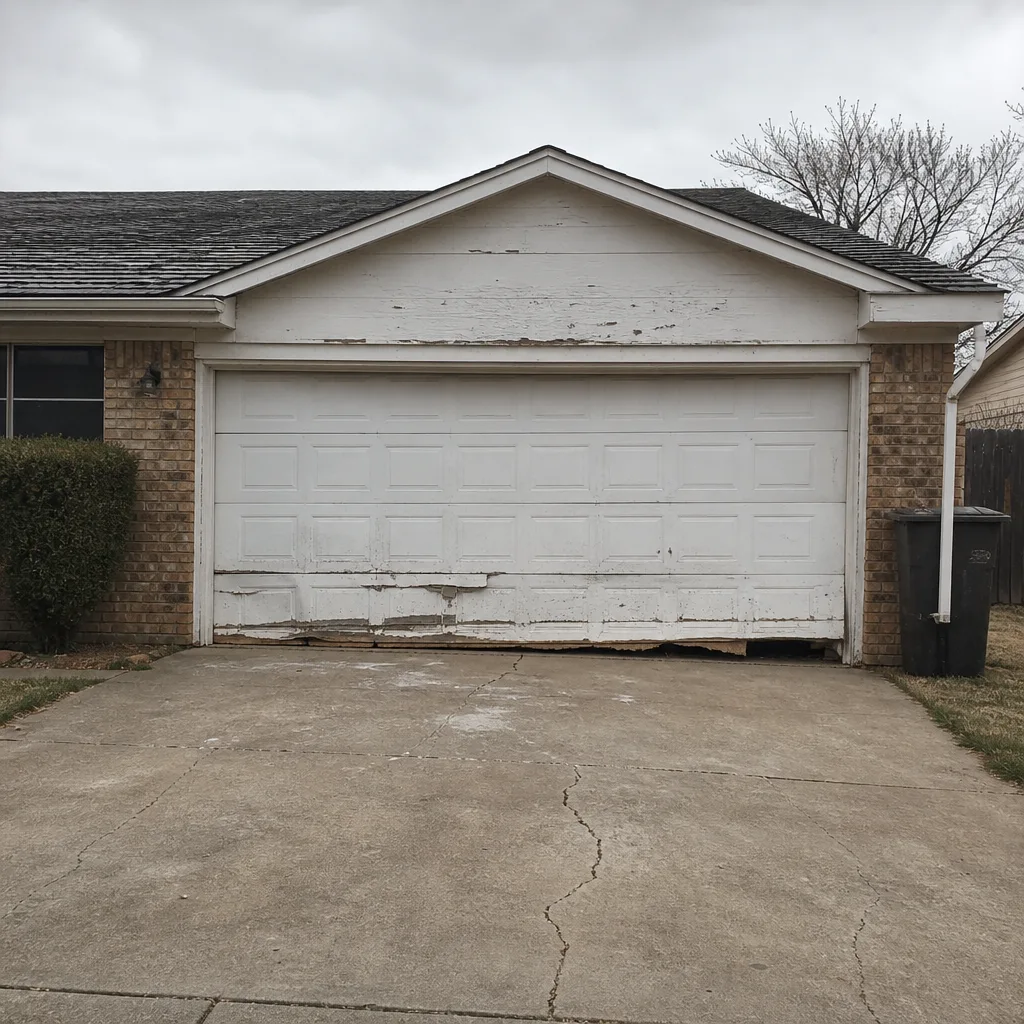
See the difference
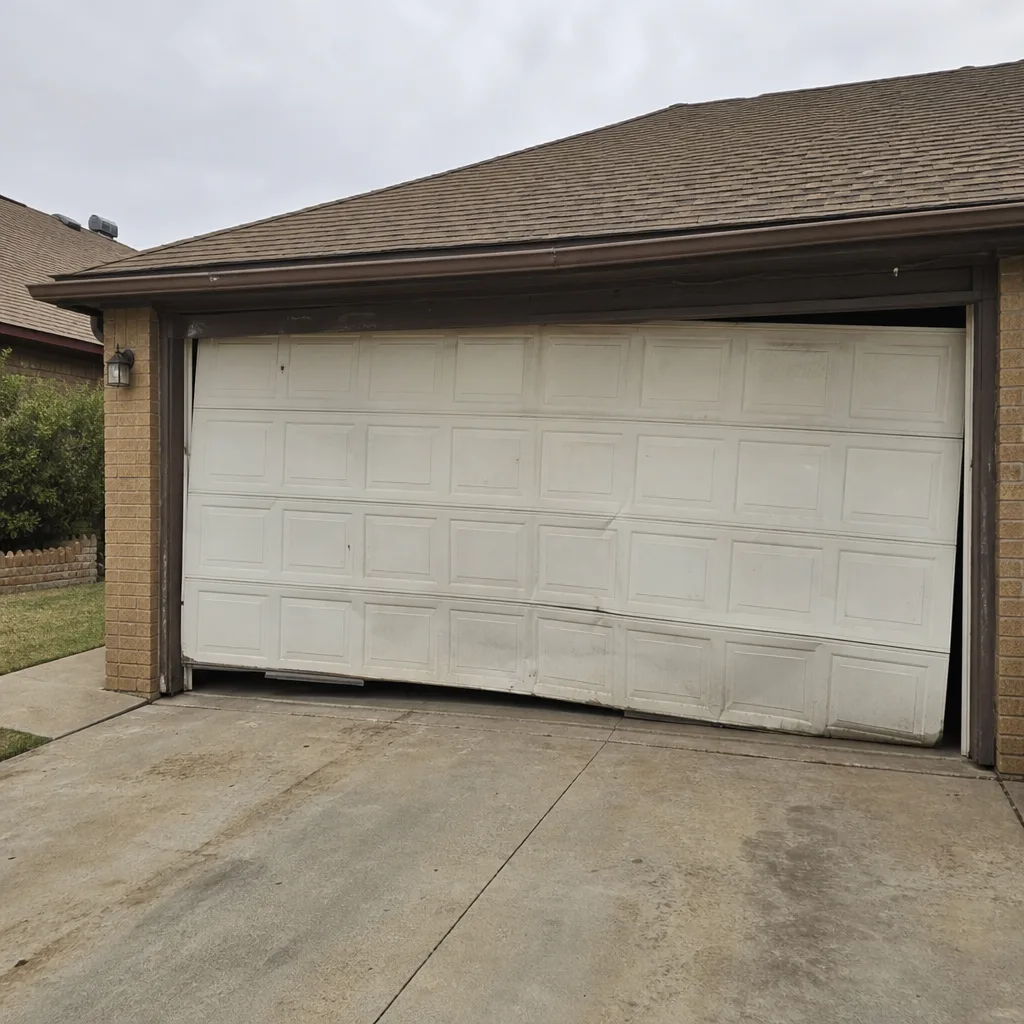 Before
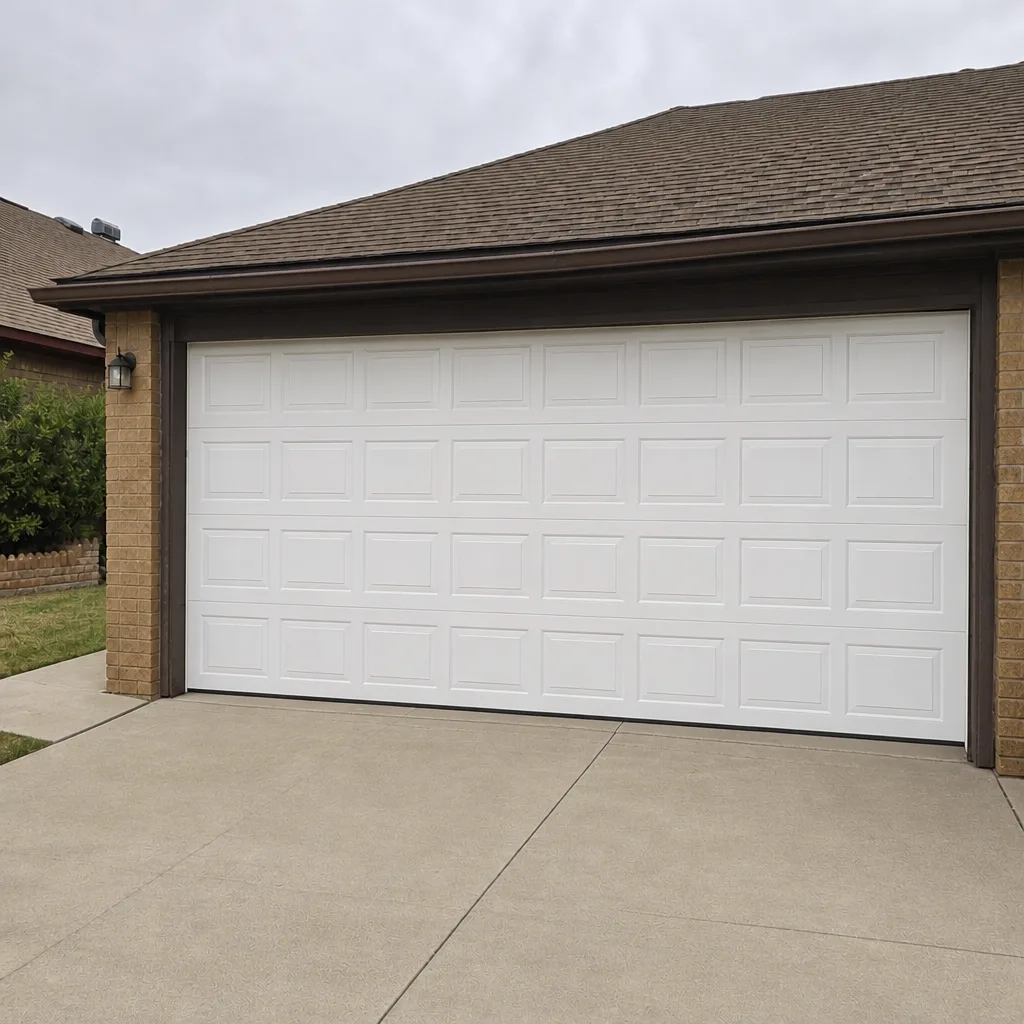 After
 Before
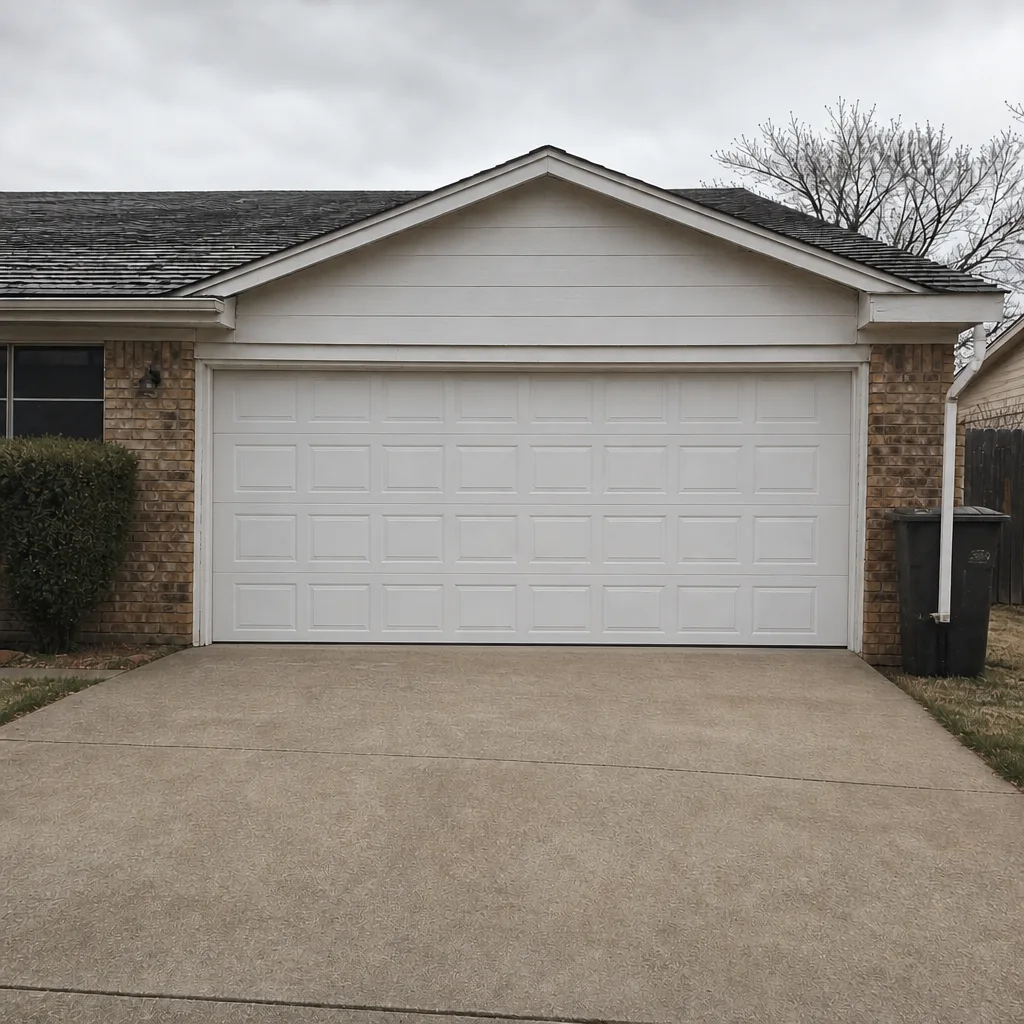 After
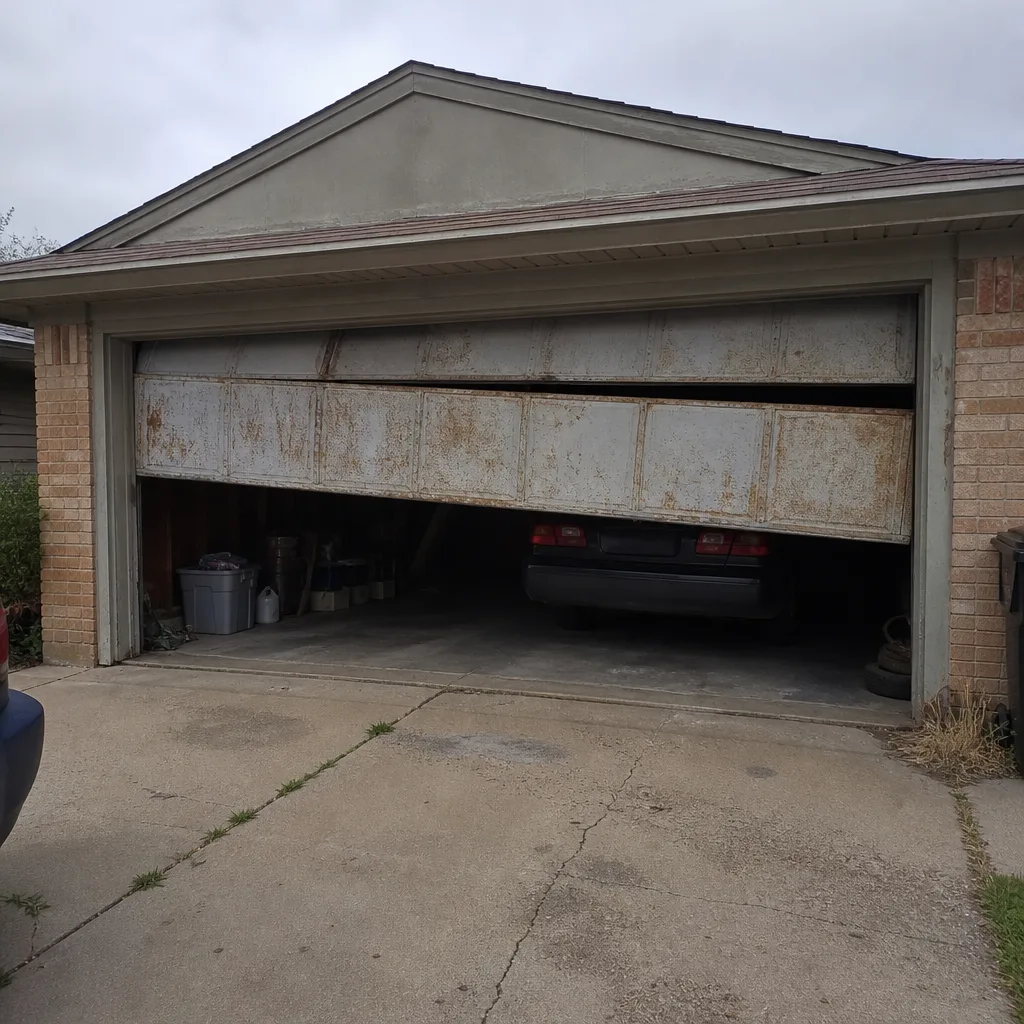 Before
 After
When to Call a Professional
Call a professional if any part of the balance test fails, if you see a broken spring, a frayed cable, a track that has shifted, or a door that reverses on its own or won’t reverse on contact with an object. Call immediately if the door feels heavy or won’t stay up. Those are safety issues, not maintenance items. Any opener that throws a fault code, won’t respond to remotes, or runs the door unevenly should be diagnosed too, because a small logic board or sensor issue is easier to fix than a stripped gear after months of fighting it. And if you’re just not comfortable doing the monthly checks yourself, that’s fine. Dunmore Garage Door Repair offers free estimates in Lubbock, call (866) 361-7024. We answer 24/7. Fast dispatch from 7am to 7pm, Sunday through Friday.
Frequently Asked Questions
Every three months for most homes, and every six months at the minimum, given the dust and dry air here. Clean the tracks and rollers first so you aren’t sealing grit in. Call (866) 361-7024 if you’d rather have us handle the lubrication and a quick inspection together.
No, and we’d ask you not to try. The torsion springs are under enormous tension, and adjusting them safely requires winding bars, a balance test, and experience. If your balance test fails, call us at (866) 361-7024 and we’ll assess whether the springs need adjustment or replacement.
It gets into the rollers, hinges, and tracks and mixes with lubricant to form a grinding paste that wears parts faster than normal use. It also collects in the bottom seal and cracks it. The fix is regular cleaning before lubrication, which is the single most important local habit in this guide.
A routine maintenance visit is priced per job by a written estimate, and we give you the estimate before any work starts. Annual inspections typically cover springs, cables, rollers, balance, and the opener. Call (866) 361-7024 to book a free estimate, and we’ll tell you what your door actually needs.
Early fall, before winter’s temperature swings start working on the springs and the door gets used more. The summer-to-winter range in Lubbock is wide, and checking springs in the cooler months catches wear before a failure. Call (866) 361-7024 and we’ll find a time that works.
Disengage the opener with the release handle and lift the door by hand. If it’s heavy, sticks, or won’t balance, the problem is in the door, not the opener. If the door is smooth by hand but the opener still strains or won’t reverse, the opener needs diagnosing. Call (866) 361-7024 for a diagnosis on your Genie, Chamberlain, or any other brand.
The Bottom Line
A garage door maintenance checklist written for a mild, humid place will let you down in Lubbock. The dust, the temperature swings, and the hard water are what wear parts out here, and the tasks that address them are simple: clean before you lubricate, keep the bottom seal tight, balance-test the door monthly, and let a technician handle anything under spring or cable tension. Follow the monthly five-minute check, the quarterly lubrication, the six-month deep clean, and the annual professional inspection, and your door will last longer and run quieter. If something feels off or you’re not comfortable doing a task, call us. Dunmore Garage Door Repair works on your brand, not just ours, from the springs to the smart opener, and we diagnose before we quote. Call (866) 361-7024 for a free estimate. We answer 24/7. Fast dispatch from 7am to 7pm, Sunday through Friday. Learn more about garage door repair or start at Dunmore Garage Door Repair.
Written by the team at Dunmore Garage Door Repair.